
Choosing skin-tone paint starts with the surface you intend to paint. A miniature, a craft object and a person’s face require different product categories; a similar colour name does not make the products interchangeable. This guide separates model paint, craft acrylic and cosmetic face paint, then explains what the existing retailer references actually identify. It offers buying checks rather than an invented ranking of artists or claims of hands-on testing.
As an Amazon Associate, Practical Textile earns from qualifying purchases. Retailer links identify the referenced offers; they do not establish current stock, a current price or independently measured performance.


Choose the product category before the colour
| Project | What to verify | What not to assume |
|---|---|---|
| Miniature or model | Paint range, surface preparation and the manufacturer’s instructions | A skin-tone name does not mean cosmetic use. |
| Craft object | The surfaces and finish supported by the actual paint | Acrylic does not establish suitability for every material. |
| Face or body decoration | A product intended for that cosmetic use and the relevant directions | Non-toxic craft paint is not automatically face paint. |
| Clothing or fabric | An intended textile application and the required care process | Paint that adheres to a hard object is not automatically suitable for a washable garment. |
The FDA’s novelty-makeup guidance says to follow directions and not decorate a face with substances that are not intended for skin. It also discusses permitted areas of use, reactions and removal. Read those directions with the actual product rather than treating a water-based description as a safety guarantee.
Paint references identified in this article
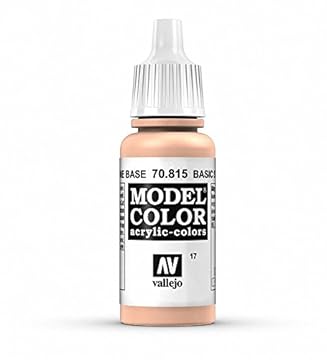
Vallejo Flesh Tone Paint: model-paint reference

The linked Amazon listing identifies Vallejo Flesh Tone Paint in a 17 ml bottle. That is a retailer listing identity, not a test result. Vallejo’s current Basic Skin Tone 70.815 page belongs to the Model Color range and currently describes an 18 ml format. Do not silently substitute the current manufacturer’s format for the older retailer offer.
Potential use: investigate the appropriate model-paint product when painting a miniature or model surface under the range’s instructions.
Limit: no cosmetic use or guaranteed lightfastness, brush-mark-free finish or durability on every surface is established here. Confirm the exact colour, range and bottle you will receive.
Existing retailer reference: B000PHCNUS. Confirm the exact item, variant, seller and current availability before relying on the listing.
Delta Creative Ceramcoat: craft-acrylic reference
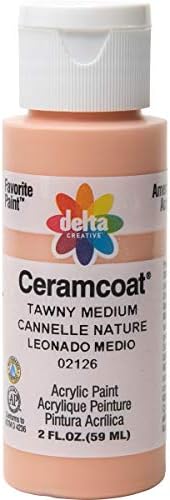
The Amazon listing identifies a 2 oz Ceramcoat acrylic, shade 2126 Medium Flesh. Compare that exact shade and range with the intended project. The colour name is not a claim that this craft paint is intended to be applied to human skin.
Potential use: a craft project for which the actual product instructions confirm the surface and preparation.
Limit: this article has not measured coverage, drying time, colour stability or washability. If the paint will be used on fabric, first establish whether the manufacturer supports that use and the care requirements.
Existing retailer reference: B000XZZWFA. Confirm the exact item, variant, seller and current availability before relying on the listing.
Splashes & Spills: cosmetic face-paint listing

The retailer identifies this item as a Splashes & Spills face-paint palette with eight colours of 5 g each. Its listing uses cosmetic and ingredient-related marketing terms. Those are seller claims, not independent certification by Practical Textile.
Potential use: compare an actual cosmetic face-paint product when that is the intended project.
Limit: suitability for every person, every age or every application area is not established by the listing title. Follow the supplied directions and the applicable precautions. No claim of all-day wear, smudge-proof performance or allergy-free use is made here.
Existing retailer reference: B0CKTTMR16. Confirm the exact item, variant, seller and current availability before relying on the listing.
Related references that are not paint recommendations
Hercicy painter’s head covering
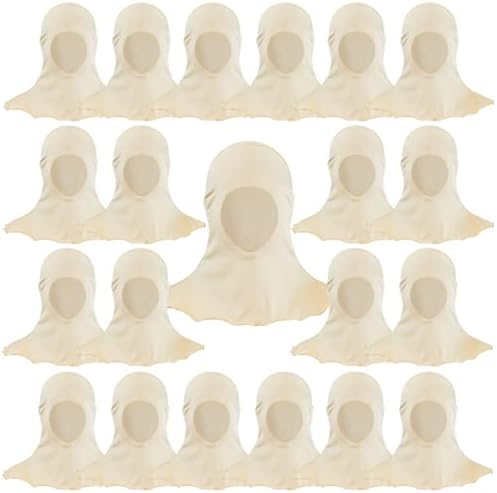
The retailer identifies a painter’s stretch head covering. It is an accessory, not a skin-tone paint. The previous description implied broad protection from dust and overspray without establishing the relevant performance evidence.
Do not infer certified respiratory protection from the listing’s use of the word mask. This article has not established such certification. The garment should not be ranked against paints, and no guarantee of protective performance or universal fit is offered here.
Existing retailer reference: B0BFCNL86G. Confirm the exact item, variant, seller and current availability before relying on the listing.
Unverified art-calendar reference

A previous version described this ASIN as an Amedeo Modigliani wall calendar. Its current retailer identity, paper specification and certification claims have not been verified in this review. Those details are therefore not repeated as facts.
A calendar is not paint. This reference is retained for identification and is excluded from the paint comparison. No current availability or purchase recommendation is made.
Existing retailer reference: B0F4MSPXN4. Confirm the exact item, variant, seller and current availability before relying on the listing.
Compare colour with a defined reference
Before choosing a shade, decide what you want the finished work to represent. A single label such as flesh or nude cannot stand for every human skin tone or every lighting condition in an artwork. Use an appropriate visual reference and the exact product’s colour information rather than assuming that one bottle produces every required tone.
For an object-painting project, make a small representative sample where the product’s instructions support that process. Label the product, surface preparation and any mixture used. Let the sample reach the condition specified by the instructions before judging the result. Record what you actually see rather than borrowing a performance claim from an unrelated product.
Keep the original colour reference and your sample together where useful. If you later change the paint range, substrate or finish, identify which parts of the comparison have changed. A similar shade name does not establish that the new combination will behave like the old one.
How to assess advantages and limitations fairly
A useful advantage should connect an identified feature with a real project need. A small bottle can suit a limited model-painting task; it may be inconvenient for a large surface. That is a project trade-off, not a measured defect in the paint. State which need you are judging before calling the product best.
The same discipline applies to limitations. Do not repeat anonymous claims that a paint dries too quickly, needs too many coats or lacks pigment unless the evidence and conditions are clear. If those details have not been tested or reliably documented, turn them into questions for a sample or supplier rather than presenting them as established results.
Price comparisons also need a consistent basis. Establish the actual quantity, shade, range, condition and accessories included. Keep a model-paint bottle separate from a cosmetic palette and from unrelated accessories. A common colour theme does not make those offers substitutes.
A practical buying checklist
- Identify the surface and intended use.
- Choose the correct product category.
- Match the exact range, shade and package to a manufacturer or retailer reference.
- Read the instructions and any limits relevant to that use.
- Plan a representative sample where appropriate.
- Separate documented specifications from advertising and unmeasured review claims.
- Confirm the seller, current offer and return conditions before ordering.
For fabric-related work, the fabric specification guide can help define the material before you seek a suitable textile product. It does not establish that a model or craft acrylic is appropriate for garment decoration.
Frequently asked questions
Are these recommendations for artists who paint the human figure?
This page is now a product-category and buying guide. It does not rank artists or art history. The earlier title and product list answered different questions.
Can I use craft acrylic as face paint if it says non-toxic?
That description alone does not establish an intended cosmetic use. Follow the FDA guidance and choose an actual product intended for the application.
Does a retailer title prove a paint’s performance?
It helps identify an offer. It does not establish independent results for coverage, colour stability, wear or suitability for every user.
Have these products been physically tested by Practical Textile?
No hands-on testing is claimed. Product identities and category distinctions are based on the linked sources; the checklists are editorial buying aids.
Sources checked 22 October 2026: the linked Amazon product identities, Vallejo’s current Model Color reference and FDA novelty-makeup guidance. The calendar identity remains unverified. No prices, stock levels or laboratory results are asserted.

