Fiber-Reactive Dye Kits: Fabric Compatibility and Buying Checks
Discover the pinnacle of fabric dye technology with our carefully curated list of the best Dye Culik PCs for 2026. Whether you're a DIY enthusiast or a professional textile artist, these dyes offer vibrant colors, superior adherence, and durability. We delve into the features, pros, and cons of each product, ensuring you make an informed decision to bring your creative visions to life.
Editorial correction: DYE CULIK PC is a law firm. The earlier version of this page incorrectly used that name for fabric dyes and described a different product. The unsupported rankings and performance claims have been withdrawn. This page now explains how to choose a genuine fibre-reactive dye kit for a textile project.
Match the Dye Class to the Fabric
| Fabric | Product class to investigate | Read before starting |
|---|---|---|
| Cotton, linen or viscose/rayon | A compatible fibre-reactive MX dye | Manufacturer’s fixer, temperature and washing instructions |
| Polyester | A compatible synthetic-fibre/disperse dye | Product-specific heated method and garment heat tolerance |
| Cotton/polyester blend | A manufacturer-supported blend method | Both fibre components and the intended final shade |
Fibre-Reactive MX Dye for Cellulosic Fabrics
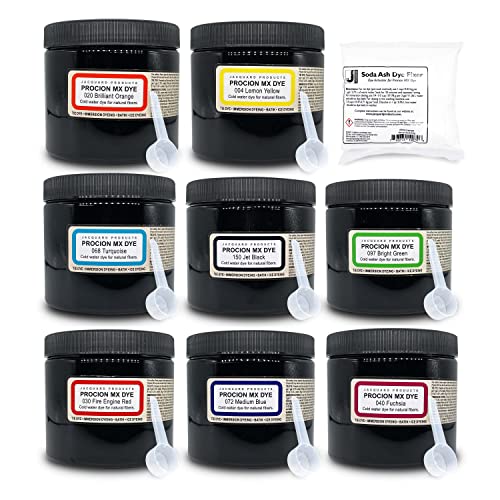
Jacquard’s Procion MX technical chart identifies this dye class for cellulosic fibres such as cotton, linen and rayon. A kit’s colour count does not establish compatibility with polyester. Check the exact product label and instructions rather than assuming every fabric dye works on every fibre.
What to Check on a Real Dye Kit
- Fibre compatibility and the exact dye class.
- Dry-fabric coverage, colour selection and included fixer.
- Required equipment, temperature, time and wash-out procedure.
- Product-specific handling instructions and a swatch result.
Project example: a 250 g (8.8 oz) cotton shirt and a polyester shirt of the same weight need different dye choices. Weighing both helps calculate coverage, but does not make a cotton dye suitable for polyester. Record the fibre, selected product, process conditions and dry washed swatch result before treating the full garment.
Use the manufacturer’s directions for the exact kit. Jacquard’s Procion MX information explains a cellulosic-fibre dye and its soda-ash fixation; iDye Poly information describes a synthetic-fibre product. These are examples of different dye classes, not interchangeable recipes or evidence of hands-on product testing.
Are these dyes suitable for all fabric types?
No single product should be assumed suitable for every fabric. Read the fibre label and match it to the dye manufacturer’s compatibility list. Cotton-compatible MX dyes and polyester-compatible synthetic dyes serve different projects.
Can beginners use these dyes easily?
A beginner can choose a clearly labelled kit with complete instructions, appropriate equipment and a compatible fabric. Test a small swatch first. Treat unsupported “best,” “eco-friendly” and performance claims as unverified unless they are supported for the exact product.
Fabric Dyeing Guides
Choose the process with our fabric dyeing guide, compare dye classes and fibres and plan the practical conditions using the home dyeing guide.