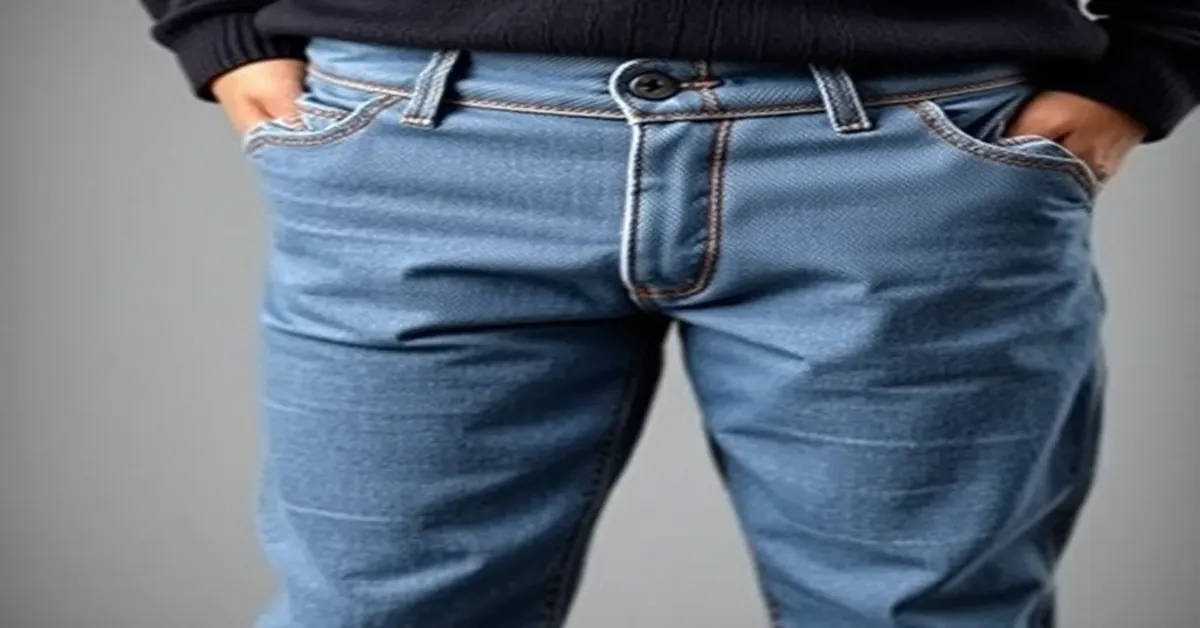
Pants are a staple in every wardrobe, offering comfort and style for various occasions. However, one of the most frustrating issues that many people face is the tearing of their favorite pairs. Whether it’s due to wear and tear, improper fit, or lack of maintenance, torn pants can lead to unexpected wardrobe malfunctions. Understanding how to prevent pants from tearing not only extends the life of your garments but also saves you money and keeps you looking polished. In this article, we will explore effective strategies to help you maintain the integrity of your pants.
Table of Contents
- Choosing the Right Fabric
- Ensuring Proper Fit
- Care and Maintenance Tips
- Repair Tips for Torn Pants
- Common Causes of Tears
- Frequently Asked Questions
Choosing the Right Fabric
The fabric you choose for your pants plays a significant role in their durability. Some materials are more prone to tearing than others. Understanding the characteristics of different fabrics can help you make informed decisions.
Popular Fabric Choices
| Fabric Type | Durability | Best For |
|---|---|---|
| Cotton | Moderate | Casual wear |
| Denim | High | Casual and workwear |
| Polyester | High | Activewear and formal wear |
| Wool | Moderate to High | Formal wear |
| Spandex | Low to Moderate | Active and stretchy clothing |
Specialty Fabrics
For those engaging in specific activities, consider specialty fabrics that offer additional durability. For example, if you’re looking for pants for outdoor activities, look for ripstop nylon, which is designed to resist tearing.
Ensuring Proper Fit
One of the most common reasons pants tear is due to improper fit. Pants that are too tight or too loose can create stress points that lead to rips and tears over time.
Measuring for the Right Fit
To find the right fit, take accurate measurements of your waist, hips, and inseam. Compare these measurements against a sizing chart to select the best size.
Trying on Pants
Always try on pants before purchasing. Pay attention to the following:
- Check for tightness around the thighs and buttocks.
- Ensure the waistband sits comfortably without pinching.
- Move around in the pants to assess comfort and flexibility.
Care and Maintenance Tips
How you care for your pants greatly affects their durability. Proper maintenance practices can prevent premature wear and tear.
Washing Guidelines
Always follow the care label instructions when washing your pants. However, here are some general tips:
- Wash pants inside out to protect the outer layer.
- Use cold water to prevent shrinking and fading.
- Avoid using harsh detergents that can weaken fabric fibers.
Storage Tips
How you store your pants can also impact their lifespan. Here are some effective storage practices:
- Hang pants that are prone to wrinkling or creasing.
- Fold heavier fabrics to avoid stretching.
- Store in a cool, dry place away from direct sunlight to prevent fading.
Repair Tips for Torn Pants
Even with the best prevention strategies, accidents can happen. Knowing how to repair torn pants can save your favorite pair from being tossed out.
Basic Sewing Techniques
If you have sewing skills, minor repairs can be straightforward:
- Use a needle and thread that matches your fabric color.
- For small tears, simply sew the edges together.
- For larger rips, consider patching the area with a piece of matching fabric.
Using Fabric Glue
If sewing is not your forte, fabric glue can be a quick fix. Apply a thin layer of glue to the torn edges and press them together.
Common Causes of Tears
Understanding the common causes of pant tears can help you take preventative measures. Here are some frequent concerns:
Wear and Tear
Over time, repeated wear can weaken fabric fibers, leading to tears. Pay attention to areas that experience the most friction, such as the inner thighs and seat.
Improper Size and Fit
Pants that are too tight can strain seams and fabric, increasing the likelihood of tears. Similarly, pants that are too loose may snag on objects, leading to rips.
Environmental Factors
Factors such as sharp objects and rough surfaces can cause unexpected tears. Always be mindful of your surroundings, especially when wearing fitted clothing.
Frequently Asked Questions
A: It depends on how frequently you wear them. Generally, consider replacing them every 1-2 years or when you notice significant wear.
A: Yes, some fabrics can benefit from protective sprays that repel water and dirt, which can help maintain fabric integrity.
A: Brands like Levi’s, Carhartt, and Dickies are known for their durable workwear, while athletic brands like Lululemon and Under Armour offer robust options for active lifestyles.
A: Yes, if the pants are of good quality, repairing them can extend their life significantly and save you money in the long run.
A: Gently pull the snag to the inside of the fabric. Use fabric glue or a needle to secure it in place if necessary.
In conclusion, preventing your pants from tearing requires a combination of careful selection, proper fit, and regular maintenance. By understanding the materials, ensuring the right fit, and following care guidelines, you can significantly extend the life of your clothing. Don’t forget that even with the best practices, accidents can happen, and knowing how to repair your pants can save you from a wardrobe crisis. By being proactive about the care and maintenance of your pants, you can keep them looking great and functional for years to come.
For those who may be interested in alternative options, check out our articles on Finally Found the Best Rubber Pants for Adults – Love Them! and The 7 Best Rubber Pants Adults of 2026.