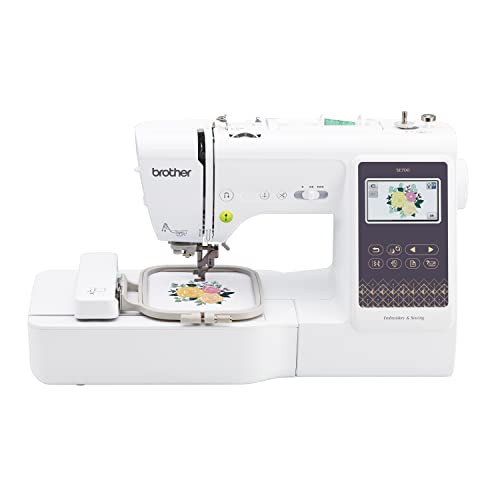
Machine embroidery is an exciting avenue for both seasoned sewers and those just beginning their crafting journey. If you’re a beginner, the world of machine embroidery might seem overwhelming with its array of tools, techniques, and designs. However, with the right guidance and insights, you can quickly elevate your skills and creativity. This article will guide you through the essential aspects of beginner machine embroidery, including equipment, techniques, project ideas, and helpful tips to get you started on the right foot.
What is Machine Embroidery?
Machine embroidery is the process of using a sewing machine or embroidery machine to create designs on fabric. This technique allows for intricate and detailed patterns that would be challenging to achieve by hand. Beginners often start with basic designs and gradually progress to more complex patterns as they become more comfortable with the technology.
Essential Equipment for Beginners
Before diving into machine embroidery, you need to gather the necessary equipment. Here’s a list of essential items:
| Equipment | Description |
|---|---|
| Embroidery Machine | A specialized machine designed for embroidery, featuring various stitch options. |
| Embroidery Hoops | Frames that hold your fabric taut while the machine stitches the design. |
| Embroidery Thread | High-quality thread that comes in various colors and types suitable for machine use. |
| Stabilizers | Materials that provide support to the fabric during the embroidery process. |
| Needles | Specialized needles designed for embroidery. Check out our guide on what size needle for embroidery machine. |
| Software | Embroidery software to create, edit, and manage embroidery designs. |
Techniques and Stitches
Understanding different techniques and stitches is crucial for successful machine embroidery. Here are some basics to get you started:
Basic Stitches
Familiarize yourself with common stitches used in machine embroidery, including:
- Satin Stitch: A dense stitch that creates a smooth, shiny finish.
- Fill Stitch: Used to fill larger areas with color.
- Running Stitch: A simple stitch used for outlines and detail work.
- Appliqué: A technique that involves stitching a piece of fabric onto a base fabric to create a design.
Hooping Techniques
Properly hooping your fabric is essential for accurate stitching. Here are steps to follow:
- Choose the right size hoop for your design.
- Place the stabilizer in the hoop first, then add the fabric on top, ensuring it’s smooth and taut.
- Secure the hoop in the machine, ensuring it’s aligned correctly.
Project Ideas for Beginners
As a beginner, it’s essential to start with simple projects to build your confidence. Here are a few ideas to consider:
- Personalized Tote Bags: Use your embroidery machine to add names or designs to plain tote bags.
- Embroidered Kitchen Towels: A quick and functional project to practice basic stitches.
- Customized Apparel: Embroider logos or initials on shirts, hats, or jackets.
- Gift Items: Create personalized gifts like monogrammed pillowcases or blankets.
Common Mistakes to Avoid
Every beginner makes mistakes, but being aware of common pitfalls can help you avoid them:
- Neglecting Stabilizers: Using the wrong type or skipping stabilizers can lead to poor-quality stitching.
- Ignoring Thread Tension: Improper thread tension can cause thread breakage or puckering.
- Not Testing Designs: Always test your designs on scrap fabric before working on your final project.
Maintaining Your Embroidery Machine
Regular maintenance is crucial for keeping your embroidery machine in top condition. Here are some tips:
- Clean After Each Use: Remove lint and debris from the machine after each session to prevent buildup.
- Check the Needle: Replace the needle regularly, especially if you notice skipped stitches.
- Oil the Machine: Follow manufacturer guidelines for oiling to keep moving parts lubricated.
FAQ
A: The best embroidery machine for beginners typically offers user-friendly features, automatic settings, and a variety of built-in designs. Research options like the White 3300 Embroidery Machine for a solid choice.
A: The choice of stabilizer depends on the fabric type and design complexity. For lightweight fabrics, use a tear-away stabilizer, while heavier fabrics may require cut-away stabilizers.
A: While you can use regular sewing thread, it’s recommended to use embroidery thread for better quality and durability in your designs.
A: Yes! You can explore various online libraries for new designs, such as Creative Possibilities with New Embroidery Designs.
Embarking on your machine embroidery journey can be incredibly rewarding. By equipping yourself with the right knowledge and tools, you’ll be well on your way to creating beautiful and personalized projects. Remember to practice regularly, be patient with yourself, and enjoy the creative process!