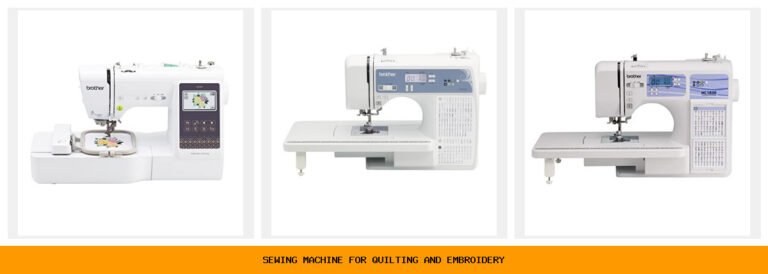

In the world of sewing and embroidery, technological advancements have transformed the traditional sewing machine into a powerful tool that can execute intricate designs with precision and ease. A computer-controlled sewing machine is a prime example of this evolution, bringing a new level of functionality and creativity to both hobbyists and professional seamstresses. These machines not only streamline the sewing process but also open up a realm of possibilities for detailed and complex embroidery work. This article will delve into the features, benefits, and considerations of using a computer-controlled sewing machine, guiding you through everything you need to know to make an informed decision.
Table of Contents
- What is a Computer-Controlled Sewing Machine?
- Benefits of Computer-Controlled Sewing Machines
- Key Features to Look For
- Popular Brands and Models
- How to Use a Computer-Controlled Sewing Machine
- Maintenance and Care
- FAQ
- Conclusion
What is a Computer-Controlled Sewing Machine?
A computer-controlled sewing machine integrates digital technology into the sewing process, allowing users to create complex designs with the push of a button. Unlike traditional sewing machines that require manual adjustments for stitch length and tension, these machines are programmed to automate these tasks, resulting in consistent and professional-looking outcomes. They usually come equipped with a variety of built-in stitches and patterns, and they can often connect to a computer or mobile device for additional design options.
Benefits of Computer-Controlled Sewing Machines
There are numerous advantages to using a computer-controlled sewing machine, which can enhance both the sewing and embroidery experience.
Increased Precision
One of the most significant benefits is the precision with which these machines operate. Computer algorithms ensure that stitches are uniform and consistent, reducing the likelihood of errors that can occur with manual sewing.
Time Efficiency
Computer-controlled sewing machines can drastically reduce the time spent on sewing projects. Features like automatic threading, stitch selection, and pattern repeat functions mean you can complete more work in less time.
Versatility
These machines are suitable for a wide range of sewing tasks, from quilting and garment construction to intricate embroidery. The ability to import designs expands your creative options significantly.
Ease of Use
With user-friendly interfaces and touchscreens, computer-controlled machines are designed for ease of use. Many models come with instructional videos and tutorials to help you get started quickly.
Key Features to Look For
When selecting a computer-controlled sewing machine, consider the following features to ensure it meets your sewing and embroidery needs.
Built-in Stitches and Patterns
Look for machines that offer a wide array of built-in stitches, including decorative and utility stitches, as well as various embroidery patterns.
Design Software Compatibility
Ensure the machine can connect with design software or apps, allowing you to create and upload custom designs easily.
Automatic Features
Features such as automatic needle threading, thread cutting, and stitch tension adjustments can save you time and hassle.
Hooping and Embroidery Area
Consider the size of the embroidery area and whether the machine comes with different hoop sizes to accommodate various projects.
LCD Screen
A clear, easy-to-read LCD screen can make navigating through the machine’s features and settings much simpler, enhancing the overall user experience.
Popular Brands and Models
Several brands are renowned for their high-quality computer-controlled sewing machines. Here are a few popular options:
| Brand | Model | Key Features |
|---|---|---|
| Brother | Brother SE1900 | Combination sewing and embroidery, 138 built-in designs, large color touchscreen. |
| Janome | Janome Memory Craft 6700P | Fast sewing speed, advanced features for quilting and sewing, large throat space. |
| Singer | Singer Quantum Stylist 9960 | 600 built-in stitches, automatic needle threader, large LCD screen. |
| Bernina | Bernina 570 QE | Excellent stitch quality, customizable stitch settings, dual feed feature. |
How to Use a Computer-Controlled Sewing Machine
Using a computer-controlled sewing machine can be a straightforward process, especially with the right guidance. Here’s a step-by-step guide to help you get started:
Setup
- Unbox the machine and place it on a sturdy surface.
- Plug it in and turn it on.
- Install the needle and select the appropriate presser foot for your project.
- Thread the machine according to the instructions in the manual.
Choosing a Stitch
Navigate through the machine’s menu to select the desired stitch or embroidery design. Adjust settings such as stitch length and width as needed.
Starting Your Project
Place your fabric under the presser foot and lower it. Press the start button or foot pedal to begin sewing. Monitor the process, making adjustments as needed.
Finishing Up
Once your project is complete, raise the presser foot, trim the threads, and remove your fabric. Clean the machine and perform any necessary maintenance tasks.
Maintenance and Care
To ensure the longevity of your computer-controlled sewing machine, proper maintenance is essential. Here are some tips:
Regular Cleaning
Dust and lint can accumulate in the machine, affecting its performance. Regularly clean the bobbin case, feed dogs, and other accessible areas using a soft brush.
Oil the Machine
Refer to the manufacturer’s instructions regarding oiling. Some machines are self-lubricating, while others require periodic oiling to keep them running smoothly.
Check and Change Needles
Regularly check the needle for wear and replace it as needed. A dull or damaged needle can lead to poor stitch quality and fabric damage.
FAQ
A: Yes, many computer-controlled sewing machines are designed with features that make quilting easier, such as larger throat space and specialized quilting feet.
A: Most computer-controlled sewing machines come with their own design software. However, additional software may offer more advanced features and design options.
A: Prices can vary widely depending on the brand and features, ranging from a few hundred to several thousand dollars.
A: While there may be a learning curve, most machines come with user-friendly interfaces and tutorials to help beginners get started.
Conclusion
A computer-controlled sewing machine can be a game-changer for anyone interested in sewing and embroidery, offering precision, efficiency, and a wealth of creative possibilities. By understanding the benefits, features, and best practices for using these machines, you can elevate your sewing projects to a new level. Whether you’re a seasoned professional or just starting your sewing journey, investing in a computer-controlled sewing machine can open the door to endless creative opportunities. For those looking to explore more about embroidery, check out our articles on Stylish Embroidery Shirts for Women: Top Picks Reviewed, Review: embroidery machine price in India, Bravo Embroidery Machine Review: Is It Worth Your Investment?, Beautifully Simple: Pre Printed Embroidery Kits Delight, and My Honest Take on the Single Hat Embroidery Machine. Happy sewing!