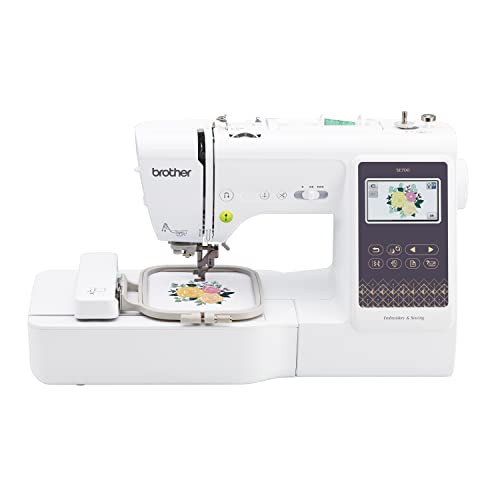
Embroidery design and machine embroidery have become increasingly popular among crafters, hobbyists, and small business owners alike. With advancements in technology, embroidery machines have made it easier than ever to create intricate and beautiful designs that can elevate any fabric project. Whether you are looking to personalize items, create gifts, or even start a small embroidery business, understanding the fundamentals of embroidery design and how to effectively use an embroidery machine is essential. In this article, we will explore the ins and outs of machine embroidery, the types of designs available, and tips for achieving professional results.
Understanding Embroidery Design
Embroidery design refers to the process of creating patterns and images that can be stitched onto fabric using an embroidery machine. These designs can be as simple as monograms or as complex as detailed images or logos. Understanding the components of embroidery design is essential for anyone interested in machine embroidery.
Types of Embroidery Designs
Embroidery designs come in various formats, each suited for different types of machines. Common design types include:
- Digitized Designs: Created specifically for embroidery machines, these designs are programmed to ensure accuracy and precision in stitching.
- Vector Designs: Often used in screen printing, vector designs can also be converted for embroidery use.
- Freehand Designs: These are custom designs created by artists or hobbyists, often using software to convert them into a format compatible with embroidery machines.
Types of Embroidery Machines
Choosing the right embroidery machine is crucial for achieving the best results in your projects. There are several types of embroidery machines available on the market, each with its unique features and benefits.
Home Embroidery Machines
These machines are designed for hobbyists and small business owners. They are user-friendly and often come with a variety of built-in designs. Home embroidery machines are perfect for personal projects, gifts, and small-scale production.
Commercial Embroidery Machines
Commercial machines are more robust and designed for high-volume production. They can handle larger designs and come equipped with multiple needles, allowing for quicker and more efficient stitching.
Multi-Needle Embroidery Machines
These machines have several needles, making it easier to switch between thread colors without having to rethread the machine. They are ideal for larger or more complex designs and often found in commercial settings.
Choosing the Right Design
When selecting an embroidery design, consider the following factors to ensure that your project turns out beautifully:
Skill Level
Choose designs that match your skill level. Beginners may want to start with simple patterns, while experienced embroiderers can tackle more complex designs.
Fabric Type
Different fabrics require different designs and stabilizers. For example, lightweight fabrics may need a more delicate design and a lighter stabilizer, while heavier fabrics can handle more complex designs.
Project Purpose
Consider the end use of your project. Custom monograms might be perfect for gifts, while intricate designs may be more suitable for business branding.
Preparation for Machine Embroidery
Proper preparation is key to achieving high-quality results in machine embroidery. Here are the steps you should follow:
Selecting the Right Materials
Choose high-quality fabric and threads suited for your project. The right combination will ensure that your design looks vibrant and lasts over time.
Using Stabilizers
Stabilizers are essential in machine embroidery as they provide support to the fabric during the stitching process. Different types of stabilizers include:
| Type | Description |
|---|---|
| Cut-Away | Best for heavier fabrics, offering stability and preventing distortion. |
| Tear-Away | Easy to remove after stitching, suitable for lighter fabrics. |
| Wash-Away | Ideal for delicate applications where the stabilizer should disappear after washing. |
Thread Tension
Adjusting the thread tension on your machine is crucial for achieving balanced stitches. Too tight or too loose thread tension can lead to unsatisfactory results.
Tips for Successful Machine Embroidery
To ensure your machine embroidery projects turn out beautifully, consider the following tips:
Test Your Design
Always do a test run of your design on a scrap piece of fabric. This will help you identify any issues before working on your final project.
Use Quality Threads
Investing in high-quality threads can make a significant difference in the final appearance of your embroidery. Check out the Perfect Thread for Flawless Embroidery Projects! for recommendations.
Maintain Your Machine
Regular maintenance is essential for keeping your embroidery machine in optimal condition. Clean the machine after each use and follow the manufacturer’s guidelines for servicing.
Utilize Software
Embroidery software can help you customize and modify designs to better suit your needs. Look for programs that are user-friendly and compatible with your machine.
Common Issues in Machine Embroidery
Even experienced embroiderers encounter challenges during their projects. Here are some common issues and how to address them:
Thread Breakage
Thread breakage can be caused by several factors, including incorrect tension, poor-quality thread, or a poorly threaded machine. Ensure you are using the appropriate settings and check your threading.
Design Distortion
If your design appears distorted, it may be due to an inappropriate stabilizer or fabric choice. Always match your stabilizer to the fabric type and test before starting your project.
Skipped Stitches
Skipped stitches can occur when the needle is dull or when the thread tension is incorrect. Replace your needle regularly and adjust the tension if necessary.
Frequently Asked Questions
A: The best fabric depends on your project, but cotton and polyester blends are commonly used for their durability and ease of stitching.
A: Yes, embroidery software helps you customize designs and convert files to the appropriate format for your machine.
A: Use digitized designs from reputable sources and always test them on scrap fabric before applying them to your final project.
A: Some sewing machines come with embroidery capabilities, but dedicated embroidery machines offer more features and better results.
Conclusion
Embroidery design and machine embroidery open up a world of creativity and personalization. By understanding the various aspects of machine embroidery, including selecting the right designs, preparing materials, and troubleshooting common issues, you can create stunning projects that reflect your unique style. Whether you’re looking to make gifts, personalize items, or start a small business, the right knowledge and tools will help you succeed in your embroidery endeavors. If you are interested in delving deeper into specific designs, check out my favorite used computer embroidery machine pick! – My Favorite Used Computer Embroidery Machine Pick! or explore stunning designs like Try these once for stunning nativity embroidery results! and Stunning ‘He Is Risen’ Embroidery – A Must-See Design!. Happy embroidering!