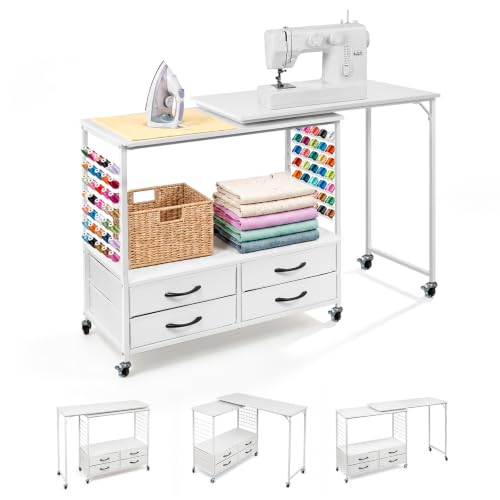
Sewing Machine Table Lift
On this page
For sewing enthusiasts and professionals alike, the right tools can make all the difference in achieving quality results. One such essential tool is the sewing machine table lift, a device designed to provide optimal workspace and enhance sewing efficiency. Whether you’re a beginner or a seasoned pro, understanding the benefits and features of a sewing machine table lift can greatly improve your sewing experience.
Table of Contents
- What is a Sewing Machine Table Lift?
- Benefits of Using a Sewing Machine Table Lift
- Types of Table Lifts
- Features to Consider When Buying a Table Lift
- Installation and Setup
- Maintenance Tips
- FAQ
- Conclusion
What is a Sewing Machine Table Lift?
A sewing machine table lift is a mechanical device designed to raise or lower your sewing machine to an optimal working height. This not only ensures comfort but also optimizes sewing performance. With a table lift, you can adjust the height depending on your chair’s height, your sewing style, and the projects you’re working on. Most lifts are compatible with various sewing machine models and can be integrated into custom or pre-made sewing tables.
Benefits of Using a Sewing Machine Table Lift
The advantages of incorporating a sewing machine table lift into your sewing setup are numerous. Here are some of the key benefits:
Ergonomic Comfort
One of the primary benefits of a sewing machine table lift is ergonomic comfort. By adjusting the height of your machine, you can reduce strain on your neck, back, and shoulders.
Improved Stability
Table lifts provide a stable platform for your sewing machine. This stability is crucial for maintaining precision, especially when working on intricate designs or heavy fabrics.
Versatility
With a table lift, you can easily switch between projects that require different machine settings or working heights. This versatility allows for a more dynamic sewing experience.
Space Optimization
Many table lifts are designed to fold away or fit neatly into your sewing table, allowing you to save space when not in use. This is especially beneficial for those with limited workspace.
Types of Table Lifts
There are several types of sewing machine table lifts available, each with its unique features and benefits:
Manual Lifts
These are operated by a hand crank or lever. Manual lifts are typically more affordable and can be a good choice for those who don’t need frequent adjustments.
Electric Lifts
Electric table lifts provide the convenience of height adjustment at the push of a button. This type is ideal for users who frequently switch between different heights, allowing for quick adjustments without manual effort.
Hydraulic Lifts
Hydraulic table lifts use fluid pressure to raise or lower the sewing machine. These lifts often offer smooth and gradual height adjustments, making them suitable for heavy sewing machines.
Features to Consider When Buying a Table Lift
When selecting a sewing machine table lift, it’s essential to consider various features to ensure you choose the right one for your needs:
Weight Capacity
Ensure the table lift can support the weight of your sewing machine. Look for models with a higher weight capacity, especially if you have a heavier machine or plan to upgrade in the future.
Height Adjustment Range
Check the height adjustment range to ensure it meets your needs. A wider range allows for more flexibility in positioning your sewing machine.
Ease of Use
Consider how easy it is to adjust the height. Electric lifts are typically easier to use, but manual lifts may be preferred for their simplicity.
Stability and Construction Quality
Look for sturdy construction materials that ensure stability during use. A well-built table lift will provide the support needed for precise sewing.
Compatibility
Make sure the table lift is compatible with your sewing machine model. Some lifts are designed to fit specific brands or types, so check the specifications before purchasing.
| Feature | Manual Lift | Electric Lift | Hydraulic Lift |
|---|---|---|---|
| Weight Capacity | Varies by model | Higher capacity | Very high capacity |
| Height Adjustment | Manual | Automatic | Automatic |
| Ease of Use | Moderate | High | High |
| Price | Lower | Higher | Higher |
Installation and Setup
Setting up your sewing machine table lift can vary depending on the model you choose. Here are some general steps to follow:
Gather Tools
Before you begin, gather all necessary tools, which may include a screwdriver, wrench, and any other tools specified in the lift’s manual.
Read the Instructions
Always read the manufacturer’s instructions thoroughly before starting the installation. This will help you understand the components and the correct setup process.
Install the Lift Mechanism
Follow the instructions to attach the lift mechanism to your sewing table. Ensure that all screws and fittings are tight to maintain stability.
Mount Your Sewing Machine
Once the lift is installed, carefully mount your sewing machine according to the manufacturer’s guidelines. Ensure it is securely fastened to prevent any accidents during use.
Test the Lift
Before starting your sewing projects, test the lift mechanism multiple times to ensure it is functioning correctly and smoothly. Adjust the height to your preferred level and check for stability.
Maintenance Tips
Regular Cleaning
Dust and debris can accumulate over time, affecting the lift’s performance. Regularly clean the lift mechanism and surrounding areas to ensure smooth operation.
Inspect Mechanisms
Periodically inspect the lift mechanism for any signs of wear or damage. Address any issues immediately to prevent further complications.
Lubrication
If your lift mechanism requires lubrication, use appropriate oil as specified by the manufacturer. Regular lubrication can help maintain smooth movement and extend the lifespan of the lift.
FAQ
A: Not all table lifts are compatible with every sewing machine. Check the specifications of both the lift and your machine to ensure compatibility.
A: The right height depends on your chair height and personal comfort. When seated, your elbows should be at a 90-degree angle to the table surface.
A: Electric lifts offer convenience and ease of use, especially for frequent adjustments. If you sew often and require flexibility, the investment may be worthwhile.
A: Manual lifts require physical effort to adjust the height, while electric lifts can be adjusted with the push of a button, making them more user-friendly.
Conclusion
A sewing machine table lift can revolutionize your sewing experience by providing comfort, stability, and versatility. By choosing the right type and features, you can create an ergonomic workspace that enhances your creativity and productivity. Whether you decide on a manual, electric, or hydraulic lift, proper installation and maintenance are vital for optimal performance. For those looking to expand their sewing capabilities, also consider exploring various sewing machines like the Barudan embroidery machine for sale or the Company embroidery machine, which can be game-changers in your sewing journey. With the right setup, you can truly enjoy every moment spent at your sewing machine!