Machine embroidery has become an essential skill for many crafters and business owners alike. With the right embroidery designs, you can transform ordinary fabrics into stunning works of art. Whether you’re a seasoned professional or a beginner, understanding the nuances of machine embroidery and the variety of embroidery designs available can greatly enhance your creative projects.
What is Machine Embroidery?
Machine embroidery is the process of using a sewing machine or embroidery machine to create patterns on fabric. Unlike hand embroidery, machine embroidery utilizes a pre-programmed design that is stitched onto the fabric with precision and speed. This technique can be used for personal projects, clothing embellishments, or even commercial purposes.
Types of Embroidery Designs
Understanding the different types of embroidery designs available can help you select the right pattern for your project. Here are a few popular categories:
Digitized Designs
Digitized designs are created using specialized software that converts images into a format that embroidery machines can understand. These designs are meticulously crafted to ensure smooth stitching and intricate details. Digitized designs can be easily altered, scaled, or edited to suit your needs.
Freehand Embroidery
Freehand embroidery allows for greater creativity and spontaneity. Instead of relying on a pre-set design, the embroiderer can create their own unique patterns and designs directly on the fabric. This method requires a steady hand and a good eye for detail, making it suitable for more experienced crafters.
Appliqué Designs
Appliqué involves sewing one piece of fabric onto another to create a design. This technique can add texture and dimension to your embroidery projects. Appliqué designs are often used in quilts, clothing, and home décor items.
Choosing the Right Design
Selecting the right embroidery design is crucial to achieving the desired outcome for your project. Here are some factors to consider:
| Factor | Considerations |
|---|---|
| Fabric Type | Choose designs compatible with your fabric’s weight and texture. |
| Project Purpose | Consider whether the item will be decorative or functional. |
| Complexity | Match the design complexity with your skill level and equipment capabilities. |
Software and Tools for Machine Embroidery
To fully utilize machine embroidery, having the right software and tools can make a significant difference. Here’s what you need:
- Embroidery Software: Programs like Wilcom, Hatch, and Brother PE Design allow you to create, edit, and convert designs.
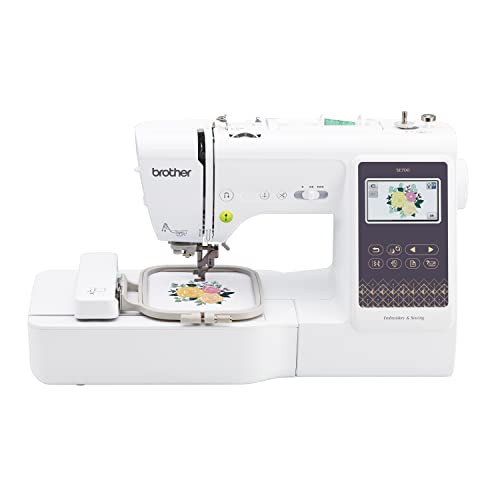
- Embroidery Machines: Investing in a reliable machine that suits your needs is crucial. Look for features like multiple hoop sizes, built-in designs, and USB connectivity for easy design uploads. For a comprehensive review, check out the Brother embroidery machine 6×10 hoop.
- Hoops and Stabilizers: Using the right hoop and stabilizer will ensure your fabric remains taut during the embroidery process, preventing distortion.
Care and Maintenance of Embroidery Machines
Proper care and maintenance of your embroidery machine will prolong its lifespan and ensure high-quality stitching. Here are some essential maintenance tips:
- Regular Cleaning: Dust and lint can accumulate in the machine, so regular cleaning is essential. Refer to your machine’s manual for specific cleaning instructions.
- Oiling: Lubricate the machine as recommended by the manufacturer to keep moving parts functioning smoothly.
- Needle Replacement: Regularly replace the needle, especially when working with different fabrics or after a lengthy sewing session.
FAQs
A: Cotton and polyester blends are popular choices for machine embroidery due to their durability and ease of stitching.
A: You can use a USB stick to transfer designs directly to your machine. For recommendations, check out our guide on the top USB stick for embroidery machine.
A: Not all designs are compatible with every machine. Ensure that you are using designs formatted for your specific machine model.
A: Machine embroidery can be used for personalizing clothing, creating home décor items, making custom gifts, and even for commercial applications like branding.
In conclusion, machine embroidery, paired with the right embroidery designs, can elevate your sewing projects to new heights. Whether you’re looking to enhance your wardrobe with unique pieces or create personalized gifts, understanding the intricacies of machine embroidery will allow you to unleash your creativity. Remember to choose the right designs, maintain your equipment properly, and always test before committing to your final product. Happy stitching!