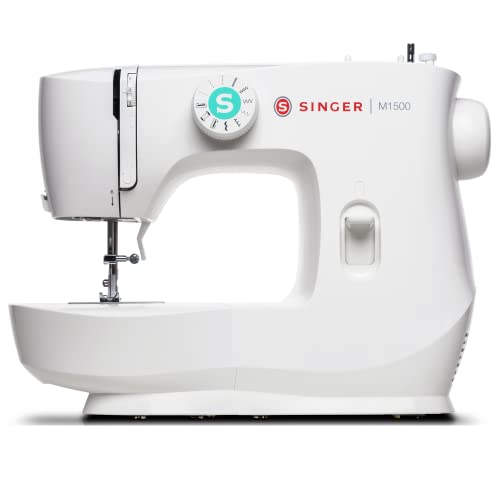

The Model 66 Singer sewing machine is a beloved classic among sewing enthusiasts, combining vintage charm with reliable functionality. First introduced in the early 1900s, the Model 66 is celebrated for its simplicity and durability, making it a popular choice for both beginners and experienced sewists alike. With its elegant design and robust construction, this machine has stood the test of time and remains a favorite in many sewing rooms. Whether you’re looking to mend clothes, create unique garments, or explore the world of quilting, the Model 66 offers a reliable platform to bring your creative visions to life.
Table of Contents
- History of the Model 66 Singer Sewing Machine
- Key Features of the Model 66
- Maintenance Tips for Your Model 66
- Accessories for the Model 66
- Common Issues and Solutions
- FAQ
History of the Model 66 Singer Sewing Machine
The Singer Model 66 was first produced in 1902 and quickly became one of the most popular sewing machines of its time. This model is part of Singer’s long lineage of sewing machines that revolutionized home sewing. The Model 66 was known for its unique design, which featured a curved arm and a sleek silhouette, making it both aesthetically pleasing and functional. Over the decades, the Model 66 underwent several updates and variations, but its core design remained largely unchanged, emphasizing the machine’s timeless appeal.
Significance in the Sewing Community
The Model 66 is not just a machine; it’s a piece of sewing history. It represents a pivotal moment in the evolution of sewing technology, where machines transitioned from manual to more automated systems. Many sewists have fond memories of learning to sew on a Model 66, and it continues to be a go-to model for those who appreciate its vintage charm and reliability.
Key Features of the Model 66
The Model 66 Singer sewing machine boasts several features that contribute to its lasting popularity:
| Feature | Description |
|---|---|
| Metal Construction | Duarable and sturdy, ensuring longevity. |
| Drop Feed Mechanism | Allows for free-motion sewing, especially useful for quilting. |
| Adjustable Stitch Length | Enables customization for different sewing projects. |
| Variable Needle Positions | Provides flexibility for various sewing techniques. |
| Beautiful Decorative Designs | Often features intricate decals, showcasing its vintage aesthetic. |
Ease of Use
One of the most appealing aspects of the Model 66 is its user-friendly design. The machine’s straightforward controls and clear instructions make it accessible for beginners while still offering advanced features that seasoned sewists appreciate. This balance of simplicity and functionality is a significant reason why it has remained a favorite in the sewing community.
Maintenance Tips for Your Model 66
To keep your Model 66 Singer sewing machine running smoothly, regular maintenance is essential. Here are some practical tips:
Cleaning Your Machine
Regular cleaning helps prevent dust and lint buildup, which can affect performance. Here’s how to clean your Model 66:
- Remove the needle and presser foot.
- Open the throat plate and remove any accumulated lint.
- Use a soft brush or a vacuum attachment to clean hard-to-reach areas.
- Wipe down the exterior with a soft, damp cloth.
Oiling the Machine
Oiling is crucial for keeping the internal components lubricated and functioning smoothly. Use sewing machine oil and follow these steps:
- Refer to your machine’s manual for specific oiling points.
- Apply a few drops of oil to each point as indicated.
- Run the machine briefly to distribute the oil evenly.
Accessories for the Model 66
Enhancing your sewing experience with the right accessories can significantly improve your projects. Here are some essential accessories compatible with the Model 66:
| Accessory | Purpose |
|---|---|
| Walking Foot | Helps in sewing multiple layers of fabric evenly. |
| Zipper Foot | Allows for easy insertion of zippers into fabrics. |
| Buttonhole Foot | Facilitates the creation of professional-looking buttonholes. |
| Quilting Foot | Ideal for free-motion quilting and decorative stitching. |
Common Issues and Solutions
While the Model 66 is known for its reliability, users may encounter a few common issues. Here are some problems and their solutions:
Machine Not Stitching
If your Model 66 is not stitching, it could be due to the following reasons:
- Check if the needle is inserted correctly.
- Ensure the machine is threaded properly.
- Inspect the bobbin to confirm it is wound correctly.
Skipping Stitches
Skipping stitches can be frustrating. Here are some potential causes:
- Replace the needle if it is dull or bent.
- Adjust the tension settings as necessary.
- Make sure you are using the correct type of needle for your fabric.
Fabric Jamming
If your fabric keeps jamming, check for the following:
- Remove any lint or debris from the feed dogs.
- Adjust the presser foot pressure if it’s too tight.
- Ensure the fabric is being guided properly and not being pulled.
FAQ
A: Yes, many modern sewing machine feet are compatible, but ensure they fit properly before use.
A: Replacement parts can sometimes be found online or through vintage sewing machine shops, but availability may vary.
A: If you encounter persistent issues that you cannot resolve through regular maintenance, it may be time for a professional service.
In conclusion, the Model 66 Singer sewing machine is a vintage gem that continues to inspire creativity and craftsmanship in the sewing community. With its rich history, robust features, and ease of use, it remains a reliable choice for a wide range of sewing projects. By taking care of your machine through regular maintenance and utilizing the right accessories, you can enjoy many years of sewing success. If you’re looking for more advanced embroidery options, consider checking out reviews for the Tmez embroidery machine, or explore the tear away stabilizer for embroidery for your projects. Whether you’re a beginner or a seasoned pro, the Model 66 can serve as a valuable tool in your sewing arsenal.