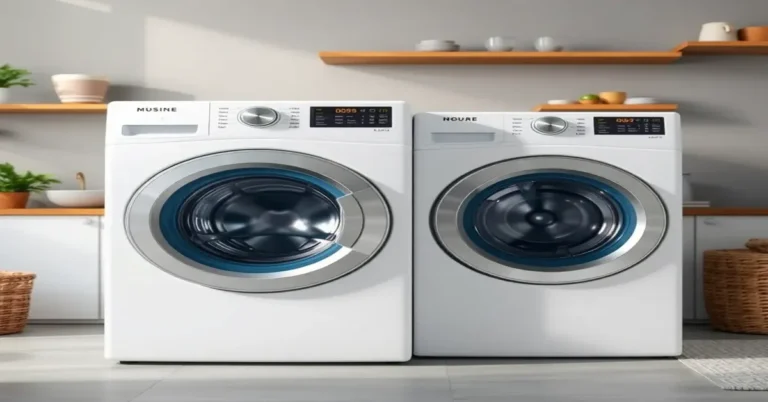
When it comes to maintaining a washing machine, many homeowners often overlook one crucial component—the lint interceptor. This small but mighty device plays a significant role in keeping your laundry clean and your machine running efficiently. As lint accumulates in your washing machine, it can lead to clogs and decrease the effectiveness of the cleaning process. In this article, we will delve into the importance of lint interceptors for washing machines, how they work, and why every homeowner should consider installing one.
Table of Contents
- What is a Lint Interceptor?
- Why Are Lint Interceptors Important?
- How Do Lint Interceptors Work?
- Types of Lint Interceptors
- Installing a Lint Interceptor
- Maintaining Your Lint Interceptor
- Common Issues and Solutions
- FAQ
What is a Lint Interceptor?
A lint interceptor is a device designed to capture lint, debris, and other particles that can be released from clothes during the washing process. Typically installed in the drainage system of your washing machine, it acts as a filter, ensuring that these particles do not clog your plumbing or accumulate in your washing machine drum.
Why Are Lint Interceptors Important?
Lint interceptors serve several essential purposes:
- Prevent Clogs: Over time, lint can build up in your washing machine’s drainage system, leading to clogs that can be difficult and costly to clear.
- Improve Efficiency: By capturing lint, these devices help maintain the washing machine’s efficiency, ensuring that water flows freely and laundry is cleaned effectively.
- Protect Plumbing: Lint can also accumulate in your home’s plumbing, potentially leading to more significant issues down the line.
How Do Lint Interceptors Work?
The operation of a lint interceptor is quite straightforward. As water flows out of the washing machine, it passes through the lint interceptor, where the device captures lint and other particles. Here’s a step-by-step breakdown of how it works:
- Washing Cycle: During the washing cycle, water is pumped out of the washing machine.
- Lint Capture: The water flows through the lint interceptor, which has a mesh or filter that traps lint and debris.
- Clean Water Drainage: The clean water is allowed to pass through, while the lint is collected in the interceptor.
- Regular Maintenance: The lint must be removed regularly to maintain the device’s efficiency.
Types of Lint Interceptors
There are several types of lint interceptors available, each designed for different washing machines and plumbing setups:
| Type | Description | Best For |
|---|---|---|
| In-Line Filters | Installed directly into the drainage line, capturing lint as it exits the machine. | Most washing machines with standard drainage systems. |
| External Lint Traps | Placed between the washing machine and the drain, collecting lint in a separate container. | Homes with older plumbing systems. |
| Lint Bags | Fabric bags that attach to the drain hose, collecting lint in a mesh pocket. | Temporary solutions or portable washing machines. |
Installing a Lint Interceptor
Installing a lint interceptor can be a straightforward process, especially for those who are handy with basic tools. Here’s a general guide to help you through the installation:
- Turn Off Water Supply: Before starting, turn off the water supply to your washing machine.
- Disconnect Drain Hose: Carefully detach the drain hose from the machine.
- Install Interceptor: Follow the manufacturer’s instructions to install the lint interceptor in line with the drain hose or plumbing.
- Reconnect Drain Hose: Reattach the drain hose to the washing machine.
- Test the System: Turn the water supply back on and run a test cycle to ensure everything is working correctly.
Maintaining Your Lint Interceptor
To ensure your lint interceptor functions optimally, regular maintenance is crucial. Here are some tips for maintaining your interceptor:
- Check Regularly: Inspect the lint interceptor at least once a month to remove accumulated lint and debris.
- Clean Filters: If your interceptor has a filter, clean or replace it according to the manufacturer’s instructions.
- Monitor Performance: Pay attention to your washing machine’s performance. If you notice slower drainage or standing water, it may be time to clean the lint interceptor.
Common Issues and Solutions
While lint interceptors are generally reliable, you may encounter some common issues. Here are a few problems and their solutions:
| Issue | Description | Solution |
|---|---|---|
| Clogged Interceptor | Debris buildup prevents water from flowing through. | Remove and clean the interceptor thoroughly. |
| Leaking Water | Water leaks from the connections. | Check all connections for tightness and secure where necessary. |
| Poor Performance | Laundry is still coming out with lint. | Inspect and clean the lint interceptor more frequently. |
A: It’s recommended to clean your lint interceptor at least once a month, or more frequently if you do a lot of laundry.
A: Most lint interceptors are designed to be compatible with standard washing machines, but always check the manufacturer’s specifications before purchasing.
A: Without a lint interceptor, lint can accumulate in your washing machine and plumbing, leading to clogs and potentially costly repairs.
FAQ
A: Lint interceptors can be made from various materials, including plastic, stainless steel, and mesh fabric, depending on the type and brand.
A: Most installations can be done with basic tools like pliers and screwdrivers. Check the installation manual for any specific requirements.
A: Yes, most lint interceptors are designed for easy installation. However, if you’re not comfortable with plumbing tasks, it’s advisable to hire a professional.
In conclusion, a lint interceptor for washing machines is an essential tool for maintaining the efficiency and longevity of your appliance. By preventing clogs and ensuring that your laundry comes out clean, a lint interceptor can save you time, money, and frustration in the long run. Whether you choose an in-line filter, an external trap, or a lint bag, the benefits of installing one are clear. Take the time to install and maintain a lint interceptor to keep your washing machine in top condition.