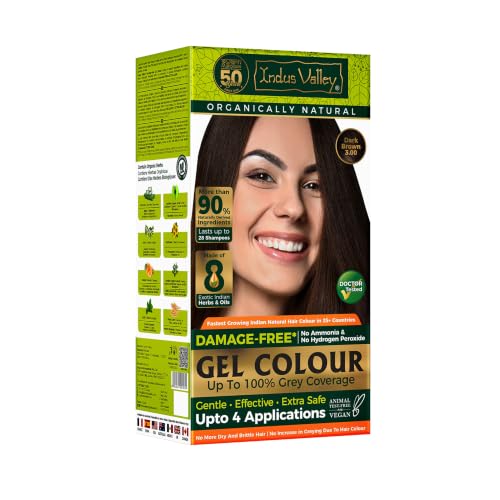
As the demand for healthier beauty alternatives grows, many individuals are turning to natural hair colors without peroxide. These options not only provide vibrant shades but also minimize the damage often associated with chemical dyes. Whether you’re looking to cover grays, enhance your natural hue, or experiment with a new color, exploring peroxide-free options can lead to healthier hair and a more sustainable beauty routine.
What Are Natural Hair Colors?
Natural hair colors are formulations derived from plant-based ingredients and minerals, designed to provide color while being gentle on the hair. Unlike traditional dyes that often contain harsh chemicals, natural hair colors avoid the use of peroxide, ammonia, and parabens. This makes them suitable for individuals with sensitive scalps or those looking to minimize chemical exposure.
Benefits of Choosing Peroxide-Free Colors
Choosing natural hair colors without peroxide comes with a plethora of benefits. Here are some of the most compelling reasons to make the switch:
- Healthier Hair: Natural hair colors often contain nourishing ingredients that can strengthen and moisturize hair.
- Less Damage: Without peroxide, the risk of hair damage and breakage is significantly reduced.
- Vibrant Results: Many users report that natural hair colors produce beautiful, rich tones that are often more flattering than synthetic dyes.
- Environmentally Friendly: Many natural hair color brands prioritize eco-friendly practices, making them a sustainable choice.
Types of Natural Hair Colors Without Peroxide
There are several types of natural hair colors available on the market. Each type has its unique benefits and application methods. Here’s a breakdown:
| Type | Description | Longevity |
|---|---|---|
| Henna | Derived from the Lawsonia inermis plant, henna provides a rich red-orange color. | Lasts up to 6 weeks. |
| Indigo | Used in conjunction with henna to create darker shades, indigo gives a deep blue-black color. | Lasts up to 6 weeks. |
| Vegetable Dyes | These dyes are made from various plant sources and can offer a range of colors from browns to blondes. | Lasts around 4-8 weeks. |
| Clay-based Dyes | These dyes use natural clays and minerals to provide color and are often less intense. | Lasts up to 4 weeks. |
| Coffee & Tea | Common household items that can darken hair naturally and are especially good for temporary color. | Lasts until the next wash. |
How to Choose the Right Color
Selecting the perfect shade can be daunting, especially with the myriad of options available. Here are some tips to help you make the best choice:
Consider Your Skin Tone
Your natural skin tone can dramatically affect how a hair color appears. Generally, warmer skin tones tend to look best with golden or warm shades, while cooler skin tones often favor ashy or cool tones.
Think About Maintenance
Some natural hair colors require more upkeep than others. If you desire a low-maintenance option, consider shades that blend well with your natural color or those that fade gracefully.
Test Small Sections
Before committing to a full application, test a small section of hair with your chosen color to see how it interacts with your natural hue.
Application Techniques for Natural Hair Colors
Applying natural hair color requires a slightly different approach than traditional dyes. Here are some effective application techniques:
Preparation
Before applying any hair color, it’s essential to prepare your hair. Ensure it’s clean and dry. For henna, some users prefer to slightly dampen their hair to help the dye adhere better.
Mixing the Dye
Follow the specific instructions for your chosen dye. For henna, mix the powder with warm water to achieve a yogurt-like consistency. For other vegetable dyes, they may come pre-mixed or require simple mixing with water.
Application
- Section your hair into manageable parts.
- Using a brush or gloved hands, apply the dye evenly from root to tip.
- Ensure full coverage for uniform color.
Setting Time
Allow the dye to sit as per the product instructions. Henna, for instance, typically requires 1-4 hours to develop, while vegetable dyes may need less time.
Aftercare Tips for Peroxide-Free Hair Colors
Use Sulfate-Free Shampoos
Sulfates can strip hair color quickly, especially natural dyes. Opt for sulfate-free shampoos to help your color last longer.
Limit Washing
Try to reduce the frequency of hair washing to prevent color fading. When you do wash, use cool water to help seal the hair cuticle.
Deep Conditioning Treatments
Incorporate deep conditioning treatments into your routine to keep your hair moisturized. Natural oils like coconut or argan oil can be beneficial.
Frequently Asked Questions
A: The longevity of natural hair color can vary, but typically it lasts between 4 to 6 weeks before fading.
A: Yes, but it’s advisable to wait until your hair is in good condition. Always do a patch test first.
A: Yes, many natural hair colors can effectively cover gray, but results may vary based on the product used.
A: Most natural dyes darken hair rather than lighten it. For lightening, you may consider using chamomile or lemon juice, but results can be subtle.
A: While natural dyes are generally safer, some individuals may still experience allergic reactions. Always perform a patch test before full application.
Natural hair colors without peroxide offer a fantastic way to enhance your look while caring for your hair. By choosing healthier, plant-based alternatives, you can achieve beautiful results without the harmful effects of traditional hair dyes. Embrace the array of options available, and enjoy the benefits of vibrant, nourished hair.