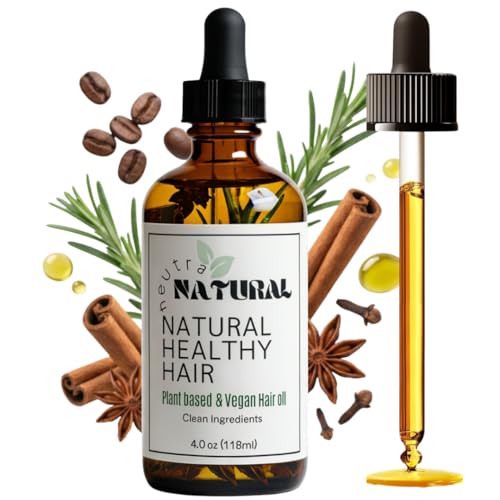
Choosing the right hair dye can be a challenge, especially for those with 4C hair. This hair type, characterized by its tightly coiled texture, requires special care and attention. Traditional chemical dyes can cause damage and dryness, making it essential for individuals with 4C hair to consider natural options. Natural healthy hair dyes provide a safer alternative, allowing you to enhance your hair color without sacrificing its health. In this article, we will explore various natural dyes that are suitable for 4C hair, their benefits, and tips for application.
Benefits of Natural Hair Dyes
Opting for natural hair dyes comes with a plethora of advantages, particularly for those with 4C hair. Here are some key benefits:
Less Damage
Natural hair dyes are generally free from harsh chemicals that can strip moisture from your hair. Ingredients like henna, indigo, and other plant-based extracts provide color while nourishing your strands.
Rich Nutrients
Many natural dyes are packed with vitamins and minerals that promote healthy hair growth. For instance, henna not only colors the hair but also strengthens it, reducing breakage.
Variety of Shades
Natural hair dyes can offer a variety of shades, allowing you to achieve the look you desire without compromising on hair health. From deep browns to vibrant reds, there is a natural dye for everyone.
Environmental Friendly
Choosing natural dyes is also better for the environment. These products often use sustainable practices and biodegradable ingredients, reducing your carbon footprint.
Popular Natural Dyes for 4C Hair
There are several natural dyes that are particularly effective for coloring 4C hair. Here are some of the most popular options:
Henna
Henna is one of the most well-known natural hair dyes. It provides a rich red-orange color and is particularly beneficial for 4C hair.
- Benefits: Strengthens hair, adds shine, and has anti-dandruff properties.
- How to use: Mix henna powder with water to create a paste, apply it to clean hair, and let it sit for a few hours before rinsing.
Indigo
Indigo is often used in conjunction with henna to achieve darker shades. It can create a beautiful deep brown or black color when applied after henna.
- Benefits: Helps to restore pH balance and adds moisture to the hair.
- How to use: Mix indigo powder with water and apply it after using henna for a rich, dark color.
Beet Juice
For a more temporary option, beet juice can be used to achieve a bright red tint. It’s perfect for those who want to experiment without a long-term commitment.
- Benefits: Rich in vitamins and minerals that nourish the hair.
- How to use: Apply fresh beet juice directly to the hair and let it sit for an hour before rinsing.
Coffee
Coffee can be used to darken hair and enhance its natural color. It’s a great option for those looking for a subtle change.
- Benefits: Contains antioxidants that promote hair growth.
- How to use: Brew a strong cup of coffee, let it cool, and apply it to clean hair. Leave it on for at least an hour before rinsing.
Chamomile
Chamomile is ideal for those wanting to lighten their hair naturally. It works best on lighter shades but can still add a lovely golden hue to darker hair.
- Benefits: Soothes the scalp and adds shine.
- How to use: Brew chamomile tea, let it cool, and apply it to your hair. Sit in the sun for a natural lightening effect.
How to Apply Natural Hair Dyes
Applying natural hair dye requires a slightly different approach compared to traditional dyes. Here’s a step-by-step guide:
Preparation
1. Gather your materials: natural dye, gloves, applicator brush, plastic wrap, and an old towel.
2. Ensure your hair is clean and dry before application.
Mixing the Dye
1. Follow the instructions for mixing your chosen natural dye. For most powders, you’ll mix it with water to create a paste.
2. Allow the mixture to sit for a specified time to activate the dye’s properties.
Application
1. Wear gloves to avoid staining your hands.
2. Section your hair to ensure even application.
3. Use the applicator brush to apply the dye from root to tip, ensuring full coverage.
4. Once applied, cover your hair with plastic wrap to retain heat and moisture.
Setting Time
1. Leave the dye on for the recommended time, typically ranging from one to four hours depending on the dye used.
2. For deeper colors, longer setting times may be beneficial.
Rinsing
1. Rinse your hair thoroughly with cool water until the water runs clear.
2. Avoid shampooing immediately after dying to allow the color to set.
Aftercare for Dyed Hair
After coloring your hair with natural dyes, proper aftercare is essential to maintain both the color and the health of your hair. Here are some tips:
Moisturize Regularly
Natural dyes can still dry out your hair. Use a moisturizing conditioner or hair mask weekly to keep your hair hydrated.
Avoid Heat Styling
Minimize the use of heat styling tools, as they can cause further damage to dyed hair. If necessary, always use a heat protectant.
Use Sulfate-Free Products
Sulfate-free shampoos and conditioners are gentler on dyed hair and help to prolong the color.
Protect from Sun Exposure
UV rays can fade your color. Consider wearing a hat or using UV protection sprays when spending extended periods in the sun.
A: Natural hair dyes typically last between 4 to 6 weeks, depending on the dye used and maintenance practices.
A: Yes, you can mix different natural dyes to achieve a unique shade, but always perform a strand test first to see how the colors blend.
A: Many natural dyes can cover gray hair, but the effectiveness may vary. Henna, for example, is known for its ability to cover gray effectively.
In conclusion, natural healthy hair dyes can be an excellent choice for individuals with 4C hair looking to enhance their color without causing damage. By choosing the right natural dye and following proper application techniques, you can achieve beautiful results while keeping your hair healthy. Remember to take care of your newly dyed hair with appropriate aftercare practices to maintain both the color and the health of your locks.