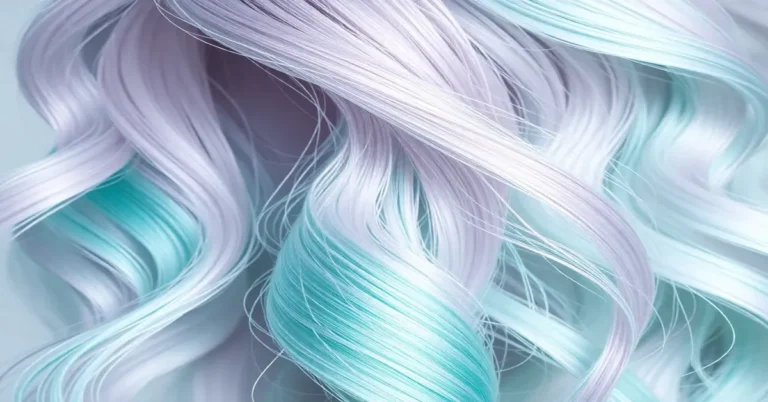
As the beauty industry evolves, so do our hair coloring options. Many individuals are seeking alternatives to traditional hair dyes that often contain harsh chemicals, particularly hydrogen peroxide. Non-peroxide hair color has emerged as a popular choice, offering a gentler alternative that still provides vibrant, beautiful results. This article will explore everything you need to know about non-peroxide hair color, its benefits, methods of application, and tips for achieving the best results.
Table of Contents
- What is Non-Peroxide Hair Color?
- Benefits of Non-Peroxide Hair Color
- Types of Non-Peroxide Hair Color
- How to Apply Non-Peroxide Hair Color
- Aftercare for Non-Peroxide Hair Color
- FAQ
- Conclusion
What is Non-Peroxide Hair Color?
Non-peroxide hair color is a type of dye that does not utilize hydrogen peroxide as an activator. Instead, these formulas often rely on gentler ingredients that can deposit color without the harsh effects associated with peroxide. This makes them suitable for various hair types and concerns, including those with damaged or sensitive hair.
How It Works
Non-peroxide hair colors typically use a combination of natural or synthetic pigments that adhere to the hair shaft. These products may also include conditioning agents that help maintain hair health while coloring. Unlike traditional dyes, which can penetrate the hair shaft and alter its structure, non-peroxide options usually coat the hair, allowing for a more temporary color change.
Benefits of Non-Peroxide Hair Color
Choosing non-peroxide hair color comes with a host of benefits that can enhance your coloring experience. Here are some of the main advantages:
Gentler on Hair
Non-peroxide hair colors are generally less damaging than their peroxide counterparts. They are ideal for individuals with fine, brittle, or chemically treated hair, as they help maintain hair integrity while providing color.
Reduced Allergic Reactions
Many people experience allergic reactions to traditional hair dyes. Non-peroxide options often contain fewer harsh chemicals, making them a safer choice for those with sensitivities.
Variety of Shades
Non-peroxide hair color is available in a wide array of shades, from vibrant colors to natural hues. This diversity allows individuals to express their personal style without compromising hair health.
Less Commitment
Non-peroxide hair color tends to fade more gradually than permanent dyes, making it a great option for those who enjoy changing their look frequently. This can also be beneficial for first-time colorists who are uncertain about committing to a long-term color change.
Types of Non-Peroxide Hair Color
Several types of non-peroxide hair color are available, each offering unique benefits and application methods. Understanding these options can help you choose the right product for your needs.
Semipermanent Hair Color
Semipermanent hair colors typically last for about 4 to 6 weeks, gradually fading with each wash. They are ideal for adding a temporary splash of color or enhancing your natural shade without the commitment of permanent dye.
Temporary Hair Color
Temporary hair color products are designed to wash out after one or two shampoos. They are perfect for experimenting with different shades or for special occasions, providing a fun and playful way to change your look without long-term effects.
Vegetable-Based Dyes
These dyes are derived from natural ingredients, such as henna or indigo. They tend to provide a more subtle color change and can also offer conditioning benefits for the hair. Vegetable-based dyes are an excellent choice for those seeking a more organic approach to hair coloring.
How to Apply Non-Peroxide Hair Color
Applying non-peroxide hair color is a straightforward process, but following proper techniques will ensure the best results. Here’s a step-by-step guide:
Step 1: Prepare Your Hair
Start with clean, dry hair. Avoid washing your hair immediately before application, as natural oils can help protect your scalp and hair from potential irritation.
Step 2: Conduct a Patch Test
Perform a patch test 48 hours before applying the dye to check for any allergic reactions. Apply a small amount of the product to a discreet area and observe for any adverse effects.
Step 3: Mix the Color
Follow the instructions provided with your non-peroxide hair color. If the product requires mixing, do so in a well-ventilated area, using gloves to protect your hands.
Step 4: Apply the Color
Section your hair into manageable parts and apply the dye evenly, starting from the roots and working towards the ends. Use a brush or applicator for precision.
Step 5: Set the Timer
Allow the color to process according to the product’s instructions. Keep an eye on the clock to avoid over-processing, which can lead to unexpected results.
Step 6: Rinse and Condition
Once the processing time is complete, rinse your hair thoroughly with lukewarm water until the water runs clear. Follow up with a conditioner to lock in moisture and enhance shine.
Aftercare for Non-Peroxide Hair Color
To maintain the vibrancy of your non-peroxide hair color, proper aftercare is essential. Here are some tips to help you keep your color looking fresh:
Use Sulfate-Free Shampoo
Choose a sulfate-free shampoo designed for color-treated hair. Sulfates can strip color from your hair, leading to faster fading.
Limit Washing Frequency
Try to wash your hair less frequently to prolong the life of your color. When you do wash, use cool or lukewarm water to help seal the color and reduce fading.
Avoid Heat Styling
Excessive heat can damage colored hair and lead to faster fading. Embrace air-drying and limit the use of hot styling tools whenever possible.
Protect from UV Rays
Sun exposure can fade hair color over time. Consider wearing hats or using UV protectant sprays designed for hair to shield your color from harmful rays.
FAQ
A: Non-peroxide hair color typically lasts between 4 to 6 weeks, depending on the product and your hair care routine.
A: Yes, non-peroxide hair color can be used on previously dyed hair, but it’s essential to consider the condition of your hair and the compatibility of the colors.
A: Non-peroxide hair color is generally suitable for most hair types, including sensitive and damaged hair. However, always check the product specifications for best results.
Conclusion
Non-peroxide hair color presents a fantastic option for those seeking a gentler, safer alternative to traditional hair dyes. With benefits that include reduced damage, a variety of shades, and the ability to experiment without commitment, it’s no wonder this coloring method is gaining popularity. By following the application tips and aftercare routines outlined in this article, you can enjoy beautiful hair color while maintaining your hair’s health. Embrace the world of non-peroxide hair color, and discover how it can transform your look with ease and safety.