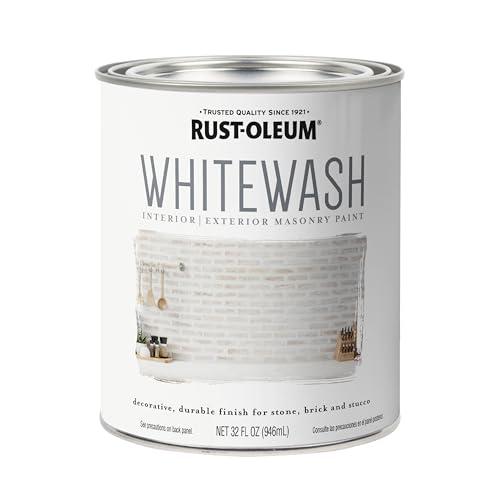
Creating a charming, rustic ambiance in your home often begins with the right paint finish. One popular technique that has stood the test of time is the whitewash look, which can add character and warmth to any space. Thankfully, there are now paint products specifically designed to achieve this effect with ease and precision. In this article, we will delve into the various paint products that can help you create a stunning whitewash look, how to use them, and tips for getting the best results.
Table of Contents
- What is Whitewashing?
- Benefits of a Whitewash Finish
- Paint Products That Create a Whitewash Look
- How to Apply Whitewash Paint
- Tips for Success
- FAQ
- Conclusion
What is Whitewashing?
Whitewashing is a technique that originated centuries ago, primarily used to protect and enhance the appearance of wooden surfaces. Traditionally, it involves mixing water, lime, and pigments to create a thin wash that is applied to wood or masonry. The result is a translucent finish that allows the natural grain or texture of the material to show through, producing a soft, muted effect that brightens spaces without overwhelming them.
Benefits of a Whitewash Finish
The whitewash finish is not only aesthetically pleasing but also offers several practical benefits:
- **Enhanced Durability:** Whitewash acts as a protective layer against moisture and environmental damage.
- **Natural Look:** It highlights the natural textures and colors of the underlying material.
- **Light Reflection:** A whitewashed surface can brighten up a room by reflecting light effectively.
- **Easy Application:** Modern paint products simplify the process, making it accessible to DIY enthusiasts.
Paint Products That Create a Whitewash Look
There are several paint products on the market specifically designed to help you achieve a whitewash look. Here are some popular options:
1. Whitewash Paints
These are specially formulated paints that provide a whitewash effect without the need for mixing or complex application techniques. They are available in a variety of finishes and can be used on different surfaces.
2. Chalk Paint
Chalk paint provides a matte finish and adheres well to various surfaces, making it a great option for creating a whitewash look. It has a thick consistency that can be thinned down with water for a more transparent effect.
3. Lime Wash Paint
Lime wash is a traditional product made from natural lime and pigments. It’s eco-friendly and allows the underlying material to breathe, making it suitable for both indoor and outdoor applications.
4. Milk Paint
Milk paint is another natural option that can be mixed to achieve a whitewash effect. It’s often used for furniture and can create a soft, vintage look.
5. Gel Stains
Gel stains can also be used to achieve a whitewashed appearance. They provide more control during application and allow you to customize the opacity to suit your preference.
| Paint Product | Features | Best For |
|---|---|---|
| Whitewash Paint | Ready-to-use, easy application | Various surfaces |
| Chalk Paint | Matte finish, easy to mix | Furniture, walls |
| Lime Wash Paint | Eco-friendly, breathable | Indoor/outdoor surfaces |
| Milk Paint | Natural ingredients, vintage look | Furniture, crafts |
| Gel Stains | Controlled application, customizable | Wood surfaces |
How to Apply Whitewash Paint
Applying whitewash paint can be a fun and rewarding project. Here’s a step-by-step guide to help you achieve a beautiful finish:
Step 1: Choose Your Surface
Decide which surface you want to whitewash. Wood, brick, and drywall are popular choices. Ensure the surface is clean, dry, and free from any previous finishes that may interfere with adhesion.
Step 2: Select Your Paint
Choose the whitewash paint or product that best suits your needs. Consider factors like the surface type, desired finish, and application method.
Step 3: Prepare the Paint
If using chalk paint or milk paint, mix it according to the manufacturer’s instructions. For other products, you may need to thin them with water to achieve the desired consistency.
Step 4: Test on a Small Area
Before applying the paint to the entire surface, test it on a small, inconspicuous area to ensure you like the look and opacity.
Step 5: Apply the Whitewash
Using a brush or rag, apply the whitewash paint in even strokes. Depending on the product, you may want to work in sections to avoid drying before you can blend it.
Step 6: Wipe Off Excess
Immediately after applying, use a clean rag to wipe off any excess paint. This will help achieve that soft, washed-out look characteristic of whitewashed surfaces.
Step 7: Allow to Dry
Let the paint dry according to the manufacturer’s instructions. You may choose to apply a second coat for a more opaque finish.
Step 8: Seal (Optional)
If the surface will be exposed to heavy wear or moisture, consider applying a clear sealant to protect the whitewash finish.
Tips for Success
To ensure your whitewash project turns out beautifully, consider the following tips:
1. Work in Small Sections
To prevent the paint from drying too quickly, work in small sections. This will allow you to blend the paint effectively and achieve a uniform look.
2. Experiment with Different Techniques
Try different application methods, such as sponging or brushing, to find the technique that works best for your desired finish.
3. Layering for Depth
For a more complex look, consider layering different shades of white or adding a hint of color to your whitewash for depth.
4. Maintain a Consistent Finish
Ensure that your strokes are consistent in pressure and direction to avoid uneven patches. This is particularly important for large surfaces.
FAQ
A: Yes, you can whitewash over painted surfaces, but it’s important to ensure the existing paint is in good condition and properly prepared.
A: The longevity of whitewash paint depends on the product used and the surface it’s applied to. Generally, it can last several years with proper care.
A: Yes, certain products, like lime wash, are designed for outdoor use and can withstand the elements. Always check the manufacturer’s specifications.
A: Whitewash can typically be removed with water and a scrub brush. For stubborn areas, a paint stripper may be required.
Conclusion
Achieving a whitewash look in your home can transform the ambiance of your space, providing a fresh and inviting atmosphere. By selecting the right paint product and following a careful application process, you can enjoy the beauty of this timeless finish. Whether you’re looking to revamp your furniture, walls, or outdoor spaces, whitewashing offers endless possibilities for creativity. Embrace the charm of whitewashed surfaces and enhance your home with this simple yet effective technique.