The best embroidery machine for a project depends on its field, item access, color changes, workload and support. Start by choosing the right category—home single needle, sewing combination, or commercial multi-needle—then compare exact models. This is a research-based selection guide, not a tested universal ranking. The discussion below separates documented capabilities from practical selection considerations for your work. Keep the current manual available when checking features and compatibility.
How this guide helps you choose
An umbrella buying guide that routes larger designs and production needs to the correct machine category.
Options organized by use
| Option | Reason to compare | Practical selection note |
|---|---|---|
| Brother PE545 | Small home motifs | A dedicated small-field reference for compact personalization. |
| Brother PE900 | Larger home-field workflow | Compare its actual field and cleanup features with the designs you use. |
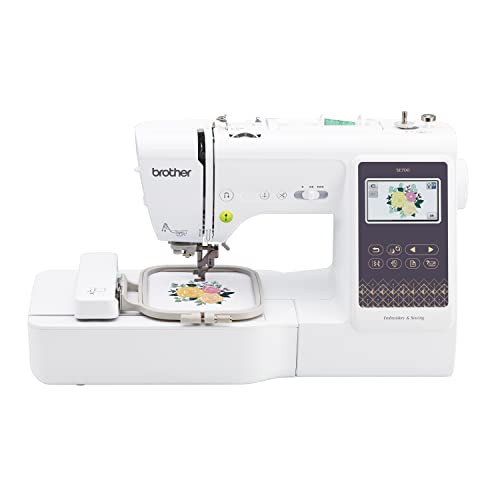
| Brother SE2000 | Sewing plus embroidery | Relevant when ordinary construction and embroidery share one machine body. |
| Janome Memory Craft 550E | Larger flat-field home projects | Evaluate access and supplied frames as well as the design field. |
| bernette 70 DECO | Dedicated home embroidery | Compare its file workflow and exact dealer or marketplace package. |
| Melco BRAVO | Commercial multi-needle category | A different ownership path requiring a production and support plan. |
| Smartstitch S-1501 | Commercial model comparison | Confirm the exact model revision, frame package and service before comparing output claims. |



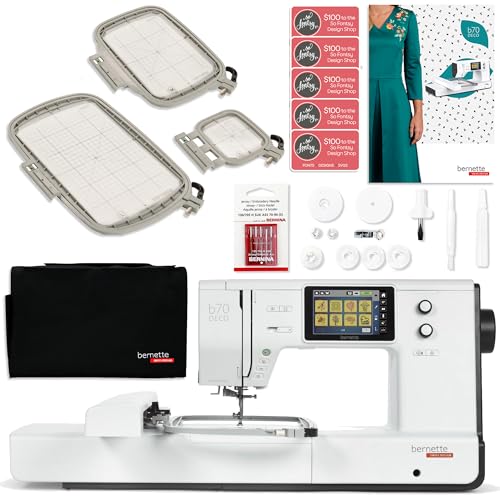
Amazon boxes cover only the specifically verified listings above. Manufacturer and dealer options without a verified ASIN are discussed separately. Bundle contents, condition and availability need checking in the current offer.
Choose the category before a winner
A home single-needle machine can suit flat panels and modest personalization. A sewing-and-embroidery combination adds ordinary construction in separate modes. A commercial multi-needle machine addresses repeated color work and item access through a different architecture.
These categories should not share one unexplained ranking. A beginner making a few gifts and a shop fulfilling cap orders need different evidence. Write down the project size, blank type, color count and expected frequency, then choose the category that addresses those requirements.
Plan design files and project sizes with the embroidery designs and file guide.
Field size and item access are separate limits
The file must fit the maximum embroidery field. The item must also be accessible and stable in the frame. A large field cannot solve every narrow sleeve, cap seam or bulky bag opening.
Use actual designs and blanks in the demonstration. Check the design’s stitch dimensions, then trace or preview placement according to the exact machine instructions. If your primary product is a structured cap, evaluate a proper compatible cap system rather than assuming a large flat hoop is an equivalent solution.
Connect construction and decoration steps using the sewing and embroidery project guide.
Needles, heads and speed describe different things
More needles can hold more thread colors ready for a suitable job. More heads can produce multiple items in a batch, depending on the machine and workflow. An advertised maximum stitch speed does not establish finished pieces per hour.
For a production decision, include loading, thread changes, trims, breaks, hooping and finishing. Use a timed sample of the actual job where possible. A hypothetical calculation can help organize questions, but it should not be presented as a measured machine output or a guarantee of order capacity.
Compare the relevant equipment categories using the Brother sewing and embroidery comparison.
Compare the complete seller arrangement
An exact quotation should identify the model and revision, supplied frames, stand or table, delivery, setup, training and service. Some offers are machine-only and others are bundles. Those prices are not directly comparable until the contents are aligned.
Read the applicable condition and return terms for the specific seller. A marketplace listing can group models or conditions. Dealer-supported equipment may have a different service route from an online package. Choose the arrangement that you can operate and maintain, not just the one with the most impressive specification list.
Use independent evidence without inventing your own
A product review should distinguish manufacturer specifications, documented owner experience, and the writer’s editorial inference. These drafts do not claim hands-on tests. A sensible next step for a purchase is a dealer sample using your real design and blank.
Keep the resulting sample and note the setup. Original photographs and a documented demonstration can later strengthen a review, provided they genuinely belong to the test. Do not add a fabricated rating, time saving or customer-review summary to make a shortlist look more certain than the evidence permits.
Five advantages and two limitations
Advantages
- Category selection avoids mismatched purchases.
- Real files and blanks make limitations visible.
- Exact quotes clarify bundles and service.
- Job-based demonstrations are more useful than speed claims alone.
- Clear evidence labels support an honest buying decision.
Limitations
- No universal best model is supported by this desk research.
- Large fields and fast specifications do not guarantee production suitability.
Check the exact listing and documentation
Brother PE545: Check Brother PE545 listing
Brother PE900: Check Brother PE900 listing
Brother SE2000: Check Brother SE2000 listing
Janome Memory Craft 550E: Check Janome Memory Craft 550E listing
bernette 70 DECO: Check bernette 70 DECO listing
Melco BRAVO: Manufacturer information for Melco BRAVO
Smartstitch S-1501: Manufacturer information for Smartstitch S-1501
Frequently asked questions
What is the best embroidery machine?
It depends on the design, blank, workload and support. Use the category guide, then demonstrate the exact shortlisted machine.
Do more needles always mean faster finished output?
No. Color readiness is one part of the workflow; hooping, design sequence, trims and finishing also affect output.
Can a large flat hoop embroider structured caps easily?
Do not assume that. Evaluate a compatible cap system and the actual cap style.
Is a sewing combination better than embroidery-only?
Only when ordinary sewing in the same machine body is useful. Mode changes and simultaneous workflow needs affect the decision.
Are the options ranked by hands-on tests?
No. They are grouped by use from documented features and original selection analysis.
Related Practical Textile guides
Explore sewing, embroidery, dyeing, printing and other fabric topics at Practical Textile.
Sources and research method
Manufacturer pages, product documentation and exact listing identities were checked on 2026-10-13. Feature-based recommendations are editorial judgments; they are not measured performance results. Availability, software requirements, packages and lifecycle can change.
- https://www.brother-usa.com/p/sewing-embroidery/PE900
- https://www.janome.com/product/memory-craft-550e/
- https://www.bernette.com/en-US/models/bernette-70-deco
- https://melco.com/melco-bravo-embroidery-machine/
- https://smartstitch-official.com/products/s1501
- https://www.brother-usa.com/p/sewing-embroidery/PE545
- https://www.brother-usa.com/p/sewing-embroidery/SE2000