
Brother XL2600i Review: Used-Machine Value and Modern Alternatives
The Brother XL2600i can still appear in used listings, but buying a discontinued sewing machine requires a different review from choosing a current.
This guide has Amazon links. If you buy through them we may earn a small commission, at no extra cost to you.
On this page
The Brother XL2600i can still appear in used listings, but buying a discontinued sewing machine requires a different review from choosing a current retail model. Its basic household features may suit repairs and learning, while condition and missing parts can change the value completely. This guide explains the model, a practical inspection sequence, and current alternatives so you can compare the real purchase rather than relying on an old reputation.
As an Amazon Associate, Practical Textile earns from qualifying purchases. Product links may earn us a commission.
Quick Answer
Consider an XL2600i only when its condition, complete accessories, and total cost make sense against a supported alternative. Brother identifies it as discontinued. Its 25 stitches, one-step buttonhole, needle threader, and drop-in bobbin support ordinary sewing; a clean sample and complete inspection matter more than an old review score. Amazon boxes below identify different models, not XL2600i listings.
This guide compares published specifications and project fit; it does not report hands-on testing.
Brother GX37
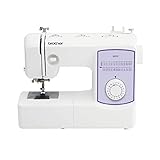
Compare a mechanical household machine with a clearly identified listing.
Brother CS5055
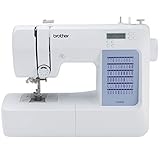
Compare electronic stitch selection without assuming advanced automation.
Brother XR9550
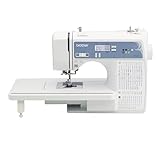
Consider its controls and table if those features address your projects.
What the Brother XL2600i Actually Is
The XL2600i is a mechanical household sewing machine. Brother’s product record identifies 25 built-in utility, decorative, and heirloom stitches, a one-step auto-size buttonhole, a needle threader, a drop-in bobbin, and a free arm. Those features describe ordinary sewing functions. They do not identify a computerized embroidery system or an industrial machine.
Brother now marks this model discontinued. That does not establish that every used example is unreliable, nor does it prove that parts and service will always be available. It means the buying decision needs to account for the particular machine and its support options. An old product page can confirm features without confirming the condition or availability of a seller’s unit.
The model number should appear on the machine itself. Listings sometimes shorten names or use photographs from a similar Brother model. Ask for clear pictures of the identification label, controls, bobbin area, controller, and accessories. Do not pay for an XL2600i on the strength of a title that conflicts with the photographed unit.
Compare Ownership Paths
| Option | Why consider it? | What decides the value? |
|---|---|---|
| Used XL2600i | Basic mechanical sewing and familiar controls | Condition, completeness, and local support |
| Brother GX37 | Different mechanical alternative | Current offer and accessory package |
| Brother CS5055 | Electronic stitch selection | Whether its actual controls suit you |
| Brother XR9550 | More quilting conveniences | Need for speed control and the included table |
There is no useful universal used-machine price without knowing condition, accessories, and the local market. Compare the total amount needed to put the XL2600i into dependable use. A replacement controller, missing foot, inspection, or shipping charge can erase the saving suggested by the purchase price. A machine offered with no opportunity to test also carries a different practical risk from one demonstrated locally.
Who Might Still Benefit From an XL2600i?
A learner who wants direct mechanical stitch selection may find this model understandable if the machine is complete and functioning properly. Simple woven seams, basic craft construction, and ordinary mending are appropriate starting points. The key is having the correct manual and enough guidance to distinguish threading mistakes from faults in an unfamiliar used machine.
An occasional sewer may value a usable machine that is already available in the family. In that situation, servicing and learning the existing unit can be more sensible than purchasing another machine immediately. First establish what work it can perform well. An inexpensive test project reveals more about its suitability than replacing it solely because newer models advertise more stitches.
It is less persuasive for someone who specifically needs an electronic speed limit, automatic thread cutting, large working space, or computerized hoop embroidery. Those are reasons to compare another machine category rather than stretch the XL2600i’s basic role. Our mechanical and computerized guide explains the difference in operating style.
Five reasons to consider a sound example:
- Direct mechanical controls support learning basic stitch settings.
- A one-step buttonhole adds garment-making usefulness.
- The drop-in bobbin provides accessible loading.
- The free arm helps with suitable tubular sewing tasks.
- A complete machine already on hand may offer a practical route into repairs.
Two reasons to keep comparing:
- Discontinued status makes condition and model-specific support more important.
- Electronic conveniences and automatic hoop embroidery are outside its basic role.
Inspect Before You Commit
Begin with an unplugged visual inspection. Look for damaged casing near moving parts, missing covers, a bent spool pin, and obvious damage to the cord or controller. An electrical defect should be assessed by a qualified person rather than tested through continued use. Cosmetic discoloration is a different issue from damage affecting operation or safe handling.
Next inspect the needle plate, presser foot, bobbin cover, and bobbin area. Heavy needle strikes, a missing cover, or an improvised part deserve an explanation. Ask whether the seller has the correct bobbins and manual. A collection of miscellaneous accessories does not establish that the necessary model-specific items are present.
Have the machine demonstrated using ordinary fabric and suitable thread. It should be possible to wind a bobbin, thread the upper path, bring up the bobbin thread, and sew without the seller hiding the process. A machine that merely lights up has not passed a sewing test. Ask about the last service and any recurring problem, while recognizing that an undocumented claim is not a service record.
Test forward straight stitching, reverse, a suitable zigzag, and the buttonhole operation. Examine both faces of each sample. A single smooth straight seam does not test every control or show that the buttonhole foot is included. Stop if the mechanism binds, the needle strikes a part, or there is an unexplained operating problem.
Use the Right Sample for the Buying Decision
For ordinary repairs, bring a piece of the kind of woven fabric you mend most often. Mark a seam line and try starting, stopping, and reversing near the marks. This demonstrates control at useful speeds. A seller’s long, fast demonstration on a flat scrap may not show whether the controller feels manageable to you.
For a buttoned garment, include the intended interfacing in the sample. A buttonhole that looks satisfactory on firm cotton may not behave the same way on a softer layered fabric. Evaluate repeatability by making several examples, then cut one open carefully and check the finished result before deciding that the feature meets your needs.
For a trouser hem, bring the actual seam crossing or an equivalent stack. Do not judge capacity by counting unrelated fabric layers. The type of material, folded construction, needle, and thread all affect the task. A household machine that manages routine hemming should not automatically be assigned repeated thick leather or upholstery work.
Our pants repair guide and garment sewing comparison help define the work before choosing equipment. When the intended task is clear, it becomes easier to decide whether the used machine is a useful tool or a project that will consume the sewing budget.
Brother GX37: A Mechanical Alternative to Compare
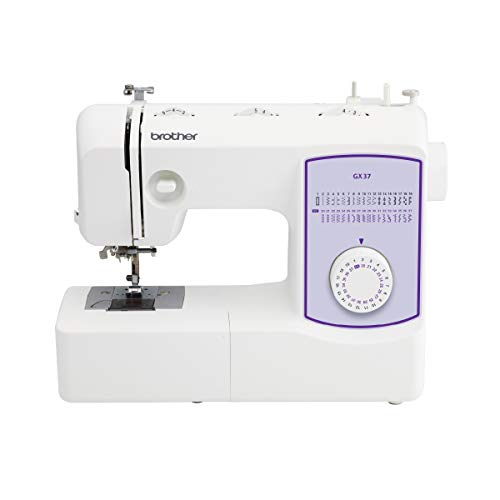

The GX37 is a different Brother model with 37 built-in stitches and mechanical operation. Compare it when the appeal of the XL2600i is direct stitch selection rather than nostalgia for a specific machine. Check the current seller’s package, condition, and support. An identifiable model and complete offer make comparison more useful than a vague promise of being beginner friendly.
Our GX37 review explains its basic role. Do not assume that it adds every control absent from an older model; for example, a mechanical alternative is not automatically an electronic speed-control upgrade. Test what you need instead of treating a newer listing as a guarantee of improved handling.
Brother CS5055: Electronic Selection Without Every Automation Feature
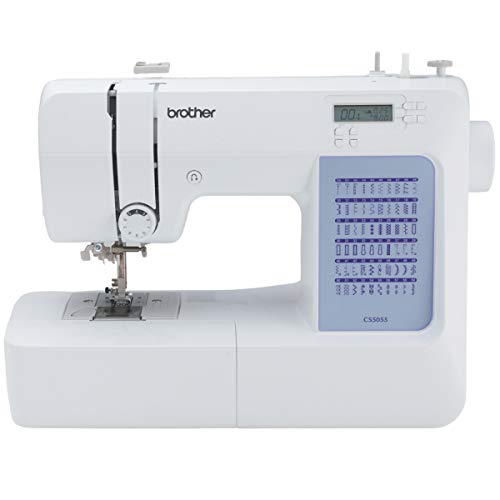
The CS5055 provides electronic stitch selection and an LCD. That can be appealing if you prefer reading a selected stitch and setting on a display. It should not be described as having every convenience available on more expensive computerized machines. In particular, do not buy it expecting a separate speed slider, start/stop button, automatic thread cutter, or memorized needle-stop key.
This distinction matters when replacing a used mechanical machine. Decide what the upgrade is supposed to solve. If the answer is clearer stitch selection, the CS5055 belongs in the comparison. If the answer is electronic speed limiting, compare a model that actually has that control. Our Brother range guide separates these roles.
Brother XR9550: Compare When Quilting Controls Matter
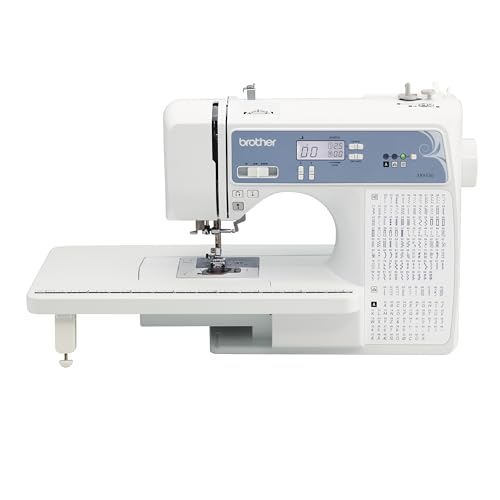
The XR9550 offers a speed slider and a wide table in its sewing and quilting package. Those additions may justify comparing it if you expect more than occasional repairs. The table helps support fabric beside the needle; it does not change the size of the machine’s internal working space or make large quilts effortless to handle.
Inspect the feet in the actual package. A spring-action quilting foot is not a walking foot, and sewing lettering is not imported hoop embroidery. Buyers sometimes pay for an apparent upgrade based on one of these misunderstandings. Match each included item to an operation you plan to perform and price any additional compatible accessory separately.
Set Up a Used Machine for Reliable Ownership
Obtain the correct XL2600i manual and keep it with the machine. Use its specified bobbins, needles, threading path, and maintenance directions. Avoid transferring oiling instructions from an unrelated vintage machine. Cleaning lint and arranging a suitable service are different from applying oil wherever a moving part is visible.
Label the controller and accessories if several machines share a room. Keep a successful seam sample with notes on fabric, needle, thread, and settings. If a problem appears, return to that known setup before making several adjustments. This prevents an incompatible bobbin or damaged needle from being mistaken for a permanent tension fault.
Reserve part of the budget for basic consumables and instruction. A sound older machine can be useful, but buying it without suitable needles, thread, and the knowledge to thread it correctly does not create a complete sewing setup. The best value is a machine you can actually use, supported at a total cost that still makes sense.
A Project Check Before You Commit
Photograph the successful demonstration sample and keep the settings with the sale record. If the machine later behaves differently, begin by matching that known setup and checking threading and needle condition. This gives a useful starting point for troubleshooting an unfamiliar used unit.
Ask whether an inspection can take place before the sale becomes final. A seller who cannot demonstrate sewing may still have a usable machine, but the uncertainty belongs in the price and repair budget. Do not compare an untested unit with a fully inspected alternative as though they provide the same assurance.
Frequently Asked Questions
Is the Brother XL2600i discontinued?
Yes. Brother’s product record marks it discontinued. That makes the individual machine’s condition and available support important. It does not establish that every used example is defective or that every accessory will remain obtainable.
How many stitches does the XL2600i have?
Brother lists 25 built-in utility, decorative, and heirloom stitches, with multiple stitch functions. Compare the actual selections with your projects rather than treating marketing descriptions of functions as additional independently selectable stitches.
Is an XL2600i a good beginner purchase?
It can be useful if complete, demonstrably functional, and supported by the correct manual or instruction. A bargain machine that cannot be tested or requires unidentified parts is a different proposition from a working example demonstrated by a knowledgeable seller.
What should I test before buying one used?
Test threading, bobbin winding, straight and reverse stitching, a suitable zigzag, and the buttonhole operation. Inspect the controller, cord, covers, and accessories. Include a realistic project sample so the demonstration addresses your work.
Should I buy a used XL2600i or a new alternative?
Compare the complete cost after missing accessories, inspection, and shipping. Then compare support and useful controls. Choose the used machine only when the saving and demonstrated condition justify it against the specific alternative you would otherwise purchase.
Final Recommendation
The XL2600i is best evaluated as a particular used machine, not an old reputation. Its basic feature set can support household sewing, but condition and completeness decide the value. Test it thoroughly, calculate the usable total cost, and compare a clearly identified alternative before committing.