
Dylon Dyes Review: Five Options, Fabrics & How to Use Them
Compare five Dylon dye options, including machine pods and Olive Green hand dye. Learn fabric compatibility, shade planning, quantity and preparation.
This guide has Amazon links. If you buy through them we may earn a small commission, at no extra cost to you.
On this page
Quick answer
Dylon makes hand and machine dyes for natural fabrics such as cotton, linen and viscose. Machine dyes are simple: add the dye and salt as directed and run a warm cycle. Dylon dyes won't colour 100% polyester or acrylic well, and blends dye lighter.
Dylon dyes can refresh a faded favorite or give suitable fabric a new direction, but results depend on more than choosing an attractive color. The formulation, fiber content, original shade, fabric weight, and washing method all matter. This review compares five Amazon options, separates machine pods from hand dye, and explains how U.S. buyers can plan a realistic project, follow the correct instructions, and avoid home dyeing disappointments before starting.
Affiliate disclosure: As an Amazon Associate, Practical Textile earns from qualifying purchases. These assessments use published specifications and product instructions; no firsthand product testing is claimed.
Quick answer
For a suitable faded black garment, Dylon Intense Black is the clearest same-color refresh choice in this selection. Navy Blue and Jeans Blue address different blue refreshes, while Smoke Grey offers a muted neutral. Olive Green hand dye is the useful option when a small project calls for a hand process.
Choose formulation first, shade second. Machine dye and hand dye have different procedures. Check the imported pack’s instructions against your washing machine and fabric care label before choosing a pod for a U.S. laundry setup. Hand dye also has its own requirements for fabric weight, water temperature, salt and movement.
Dylon is a more predictable purchase for eligible cotton, linen or viscose projects than for an unknown synthetic blend. The final color depends on the base fabric and any existing color; a printed shade swatch is a target, not an exact forecast for every garment.
Machine dye, hand dye and Wash & Dye
Dylon’s product families serve different routines. Machine dye follows a specified washer process; hand dye uses a dedicated container. Wash & Dye is another product family with separate instructions.
This comparison includes four machine-format choices and one hand-use choice. They are distinct shades and formats, not five different dye technologies. Select around the garment and method, then confirm the precise product name, color and pack count on the Amazon offer.
Compare five Dylon options
| Dylon option | Format | Useful project | Important limit | Amazon price / offers |
|---|---|---|---|---|
| Dylon Intense Black machine dye pod — 350 g | Machine pod | Faded eligible black garments | Fiber content and starting color still matter | $22.75 View offers |
| Dylon Navy Blue machine dye — 350 g | Machine dye | Suitable faded navy or lighter eligible fabric | Final shade depends on the starting shade | $17.63 View offers |
| Dylon Olive Green hand dye | Hand dye | Small eligible textile projects | Manual agitation and pack-specific salt requirements | $9.32 View offers |
| Dylon Smoke Grey machine dye pod — 350 g | Machine pod | A muted grey on suitable fabric | Grey can show underlying unevenness | $18.74 View offers |
| Dylon Jeans Blue machine dye pod — 350 g | Machine pod | Eligible faded blue denim | Blends, trims and wear affect the outcome | $18.73 View offers |
For machine products, the 350 gram figure identifies the inspected pack format. It is not a universal statement that every pack dyes the same garment count. Weigh fabric dry and follow the amount specified for your supplied formulation and intended shade depth.
Dylon Intense Black machine dye pod — 350 g

Intense Black is the clearest starting point when an eligible black garment has faded but remains worth wearing. A machine pod reduces the amount of loose dye handling, and the inspected listing specifies the 350 gram format. The useful comparison is whether the garment, dry weight and washing machine match the current pack’s directions.
Black dye will not repair thinning cloth, worn knees or damaged elastane. Contrasting polyester stitching may also remain visible because the garment’s different components can respond differently. Examine the item as a complete construction before expecting a uniform black result.
Our assessment favors this option for same-color refreshes on suitable fabric rather than unpredictable transformations of mixed-color garments. Keep expectations tied to a sample, the original shade and the actual fiber label.
Five reasons to consider
- Clear same-color refresh use case
- Machine-pod handling format
- Exact 350 g listing identified
- Useful for eligible faded black basics
- Can refresh color while retaining a wearable garment
Two tradeoffs
- Synthetic components may retain their original shade
- Cannot repair physical fabric wear
$22.75Check Amazon offers
Dylon Navy Blue machine dye — 350 g

Navy Blue is a sensible choice for someone who wants a dark-blue finish without automatically choosing black. The inspected listing identifies the 350 gram machine-dye format. Its appeal is strongest when refreshing a garment that is already navy, where the existing color is closer to the intended result.
A pale warm-colored item can produce a different final blue than a white sample because dye adds to the color already present. Fabric weight and fiber content also influence the depth. Treat the printed swatch as a guide to the intended shade on suitable material, not a guarantee for every garment.
Our assessment favors Navy Blue for planned wardrobe refreshes with enough information about the base fabric. If an exact match to another garment matters, test before committing both pieces.
Five reasons to consider
- Useful alternative to a black refresh
- Specified machine-dye format
- Relevant to faded eligible navy clothing
- Fits a measured dry-weight workflow
- Allows a restrained color change on suitable bases
Two tradeoffs
- Warm starting colors can alter the resulting blue
- Exact matching to another garment is uncertain
$17.63Check Amazon offers
Dylon Olive Green hand dye
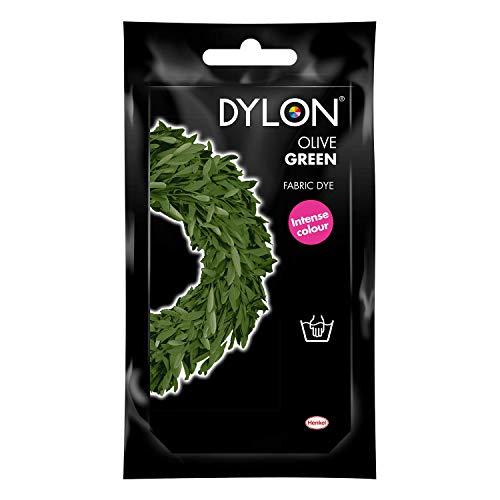
Olive Green hand dye is the useful format change in this selection. It suits a small project where you want to work in a dedicated container and observe the fabric throughout the process. That can be more practical than running a washer for a little piece of cloth, provided the fabric and product instructions permit the treatment.
Hand dye is its own formulation and procedure. Check the packet’s fabric-weight capacity, water temperature and salt requirement; the machine-pod routine is not a substitute. Thorough, consistent movement matters when you want to avoid folds sitting against each other for the whole treatment.
Our assessment favors this option for sample work, accessories and small eligible pieces. Olive also interacts with the starting color, so a cream or already colored base can produce a different green than expected.
Five reasons to consider
- Hand process offers close observation
- Practical format for small eligible pieces
- Olive gives a distinct muted-green option
- Useful for preparing a sample before a larger project
- Does not depend on a machine-dye cycle
Two tradeoffs
- Requires manual work and careful movement
- Salt and dosing requirements need the exact packet
$9.32Check Amazon offers
Dylon Smoke Grey machine dye pod — 350 g

Smoke Grey is worth considering when a neutral, softer-looking result is the goal. The inspected Amazon listing specifies one 350 gram machine-dye pod. A restrained shade can work well in a coordinated project, but it gives you less room to hide an uneven starting color than a very dark shade might.
Inspect sun fading, old stains and pale patches before choosing it. Dyeing can change their appearance without making the base uniform. For pieces that must match each other, check their fiber labels and treat them as a planned batch only if the pack’s weight limit and washer instructions allow it.
Our assessment favors Smoke Grey for a clean, fairly even starting fabric and a flexible expectation of the final shade. It is a less predictable choice for covering strong existing colors.
Five reasons to consider
- Provides a muted neutral color option
- Single-pod listing is clearly identified
- Machine format suits an eligible full process
- Useful for a planned coordinated textile project
- An alternative to very dark black or navy
Two tradeoffs
- Existing stains and unevenness may remain visible
- Strong starting colors can change the grey result
$18.74Check Amazon offers
Dylon Jeans Blue machine dye pod — 350 g

Jeans Blue has a clear purchase case: refreshing the color of eligible denim when the fabric still has useful life. The Amazon listing identifies the 350 gram pod format. Start by reading the fiber label, because the word denim describes a fabric structure and appearance rather than promising a particular blend.
Stretch components, seam thread, labels and worn areas may respond differently from the main cotton fabric. The original faded pattern can also influence the final appearance. Dye is a color treatment, so do not choose it to solve a torn seam or a weakened seat panel.
Our assessment favors Jeans Blue for a same-family refresh with realistic expectations. Weigh jeans when dry and use enough dye for the actual load according to the supplied directions; one garment is not automatically a one-pod load.
Five reasons to consider
- Clearly aimed at a blue-denim refresh
- Specified 350 g pod format
- Suitable project can extend a garment’s usefulness
- Simple shade direction for faded blue items
- Works within a dry-weight-based preparation process
Two tradeoffs
- Denim blends and trims can finish unevenly
- Dye does not restore worn or weakened fabric
$18.73Check Amazon offers
Which fabrics are suitable?
Cotton, linen and viscose
These are the main starting materials to investigate for Dylon projects, subject to the exact label and fabric finish. A clean, even base generally gives you a more understandable trial than a heavily stained or inconsistently faded item. Fiber content matters more than whether the garment is described as a shirt, dress or curtain.
Viscose is a regenerated cellulosic fiber and can be a relevant dyeing candidate. Still check the garment’s care requirements and construction. A fabric’s ability to accept a dye does not establish that every temperature or agitation level is suitable for the finished garment.
Polyester and other synthetic fibers
Do not choose these Dylon options as a general polyester dyeing solution. On a blend, the components may respond differently, leaving a lighter result or visible contrast. Synthetic stitching can remain a different shade from the main cloth even when the garment body changes color.
Our polyester dyeing guide explains why the fiber requires a separate decision. If the exact blend and product instructions do not support your intended result, choose another project rather than adding extra dye in the hope of overcoming a compatibility problem.
Wool, silk and complex garments
Check the specific hand-dye product and care label rather than transferring machine-pod instructions to a delicate animal fiber. Heat, movement and construction can limit what is sensible. Our silk fabric dyeing guide provides related background for planning a careful textile project.
Consider linings, waterproof finishes, bonded layers, decorations and elastane. The whole garment must tolerate the process. For a complex item with uncertain materials, try a simpler first project.
Choosing black fabric dye and other shades
Dye adds color to a base. It does not work like opaque paint covering a wall. A pale yellow fabric dyed blue can head toward a different result from white fabric treated with the same product. A grey chosen for an already colored item may also finish with a noticeable undertone.
A same-color refresh usually gives you fewer unknowns than a dramatic color-family change. Even then, different areas of wear can remain visible. Compare your tolerance for variation with the value of the garment before starting; some projects are enjoyable experiments, while others need a more controlled match than home dyeing can promise.
If you are considering lightening an existing shade before applying a new one, read our fabric dye-remover comparison. Color removal is a separate process with its own fabric and temperature limits. It should not be added automatically to every dyeing project.
Plan the quantity before opening the pack
Weigh the fabric when dry, including all items you intend to treat together. The weight limit on the pack relates to shade and processing conditions, not merely whether the items fit inside the drum. Overloading the fabric-to-dye ratio can reduce depth, and crowding can make consistent movement more difficult.
Dylon’s published machine-pod example uses one pod for 600 grams of fabric at full shade and a full 40°C cycle. Treat that as an example for the specified formulation; the instructions supplied with your actual product determine the permitted load, temperature and machine requirements.
For hand dye, read the separate salt requirement and capacity. A 350 gram machine pack and a small hand-dye packet are not equivalent units. Our dye-salt guide explains the broader role of salt in dyeing, but the amount for this project must come from the product directions.
How to dye clothes with Dylon: a practical workflow
1. Inspect the item
Check fiber content, care limits, existing color and any finishes or trim. Repair what needs repairing before deciding whether a color refresh is worthwhile. Physical wear will remain after the shade changes.
2. Weigh and plan
Choose a suitable product and amount for the dry fabric weight. Decide whether you are refreshing a color or accepting a new combined shade. If several pieces need to match, compare their fiber content and original color rather than assuming a shared product will make them identical.
3. Clean and prepare the fabric
Follow the pack’s pre-washing and wetting steps. Removing ordinary soil is useful preparation, but dyeing is not a guaranteed way to conceal an old stain. Set up the required dedicated equipment for a hand process, or confirm the permitted washer setup for a machine process.
4. Follow the selected formulation
Use the exact sequence, temperature and quantities on the supplied label. Dylon’s machine-pod guidance includes a complete cycle rather than an abbreviated economy or pre-wash route. Avoid mixing methods from a machine pod, hand-dye packet and another brand’s instructions.
5. Complete the finishing process
Carry out the required washing, rinsing and machine-cleaning steps. Evaluate the fabric after it has dried, since a wet appearance can mislead your assessment of depth and evenness. Use the product’s aftercare guidance for later washing.
If your first project is a plain top, our shirt dyeing guide can help you think through garment construction and color planning before starting.
Common Dylon dyeing disappointments
A pale or diluted result
Recheck the fiber blend, fabric weight and amount of dye. A substantial synthetic component or an overloaded project can be part of the explanation. More product is not automatically the correct next step; first establish that the formulation is compatible with the material.
Uneven patches or visible old marks
Examine preparation, original fading and how freely the material moved. A stain or a different finish can remain noticeable after dyeing. For a future attempt, choose a more even base and keep the process within the label’s load conditions.
Contrasting seams or trims
Different components can retain different shades. Before treatment, decide whether contrast stitching is acceptable or even desirable. A successful color change in the main cloth does not require every synthetic detail to match it exactly.
The new color is not the swatch color
Consider the original base and the fiber mixture. For exact matching, use a representative sample rather than relying on a screen. Our green fabric dye guide offers related context when a particular color family matters to the project.
Frequently asked questions
Can Dylon dye polyester fabric?
These Dylon options should not be selected as general polyester dyes. Synthetic components can resist the color, and a blend can finish lighter or with contrasting seams. Use the exact product restrictions and fiber label to decide whether the project is suitable.
Can I dye viscose with Dylon?
Viscose is a relevant candidate because it is a regenerated cellulosic fiber. Check the exact formulation and garment care requirements, including temperature and movement. A lining, trim or delicate construction can impose limits that the main fiber content alone does not show.
Does every Dylon product need added salt?
Follow the supplied formulation’s instructions. Hand dye can have a separate salt requirement, while an all-in-one machine formulation has its own recipe. Do not add or omit salt by transferring instructions from a different Dylon product or another brand.
How much fabric does a machine pod dye?
Use the dry fabric weight and capacity stated on the actual pack. Dylon’s published example specifies 600 grams for full shade with its machine-pod process, but the supplied instructions govern your product, load and intended depth. One garment is not automatically one standard load.
Will black dye hide every stain or worn patch?
A dark refresh can change the appearance of suitable fabric, but it does not repair worn fibers or guarantee an even base. Stains, finishes, original fading and synthetic components can remain visible. Inspect the item and test when the final appearance matters.
Our verdict
Dylon dyes make the most sense for a planned refresh on compatible fabric. Choose Intense Black, Navy Blue or Jeans Blue around an eligible same-color garment; choose Smoke Grey with a suitable even base; choose Olive Green hand dye when its small-project process fits. Check the exact pack, machine compatibility and dry fabric weight before buying. Good preparation and a realistic color target matter more than choosing the most dramatic shade or adding more dye than the label recommends.
Related articles
Explore more guides at Practical Textile.
Offer check: Amazon.com seller-offer summaries were checked on October 23, 2026. Some listings use “Other sellers” buying options. Confirm the current seller, condition, stock and delivery for your address before ordering.
Expert tip from KAMRUL ISLAM
After machine dyeing, run an empty hot wash with detergent to clear any leftover dye from the drum before your next laundry load.
