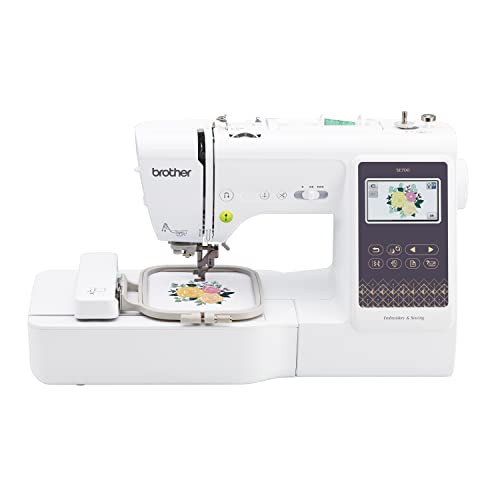
Machine À Broder
On this page
The world of sewing and embroidery has evolved significantly in recent years, thanks to advancements in technology. One of the most exciting innovations in this realm is the machine à broder, or embroidery machine. These machines have transformed the way we create intricate designs on fabric, offering both hobbyists and professionals the ability to produce stunning embroidered pieces with ease and precision. Whether you’re looking to embellish clothing, create custom home décor, or start a small business, understanding the nuances of an embroidery machine can open up a world of creative possibilities.
Table of Contents
- What is a Machine à Broder?
- How Does an Embroidery Machine Work?
- Types of Embroidery Machines
- Key Features to Look for in a Machine à Broder
- Tips for Using Your Embroidery Machine
- Troubleshooting Common Issues
- FAQs
- Conclusion
What is a Machine à Broder?
A machine à broder is a specialized sewing machine designed for the purpose of embroidery. Unlike standard sewing machines that can only perform basic stitching, embroidery machines can create intricate designs, patterns, and logos on fabric using thread. These machines can automatically sew designs that are programmed into their software, allowing for a level of precision and complexity that would be difficult to achieve by hand.
How Does an Embroidery Machine Work?
The operation of a machine à broder involves several components working together in harmony. The machine uses a combination of software, hardware, and thread to produce detailed designs. Here’s a brief overview of how it works:
- Design Input: Users can create or import designs into the machine’s software. Many machines come with pre-installed designs, while others allow for customization.
- Hooping: The fabric is placed in a hoop, which stabilizes it during the embroidery process. Proper hooping is crucial for achieving the best results.
- Threading: The machine is threaded with the chosen colors of embroidery thread. Some machines allow for automatic color changes.
- Stitching: The machine follows the programmed design, moving the fabric and needle as needed to complete the embroidery. This process can be watched in real-time, allowing for adjustments if necessary.
Types of Embroidery Machines
When it comes to embroidery machines, there are several types to consider, each serving different needs and purposes. Understanding these differences can help you choose the right machine for your projects.
Home Embroidery Machines
Home embroidery machines are designed for hobbyists and small-scale projects. They are typically more affordable and user-friendly, making them popular among beginners. These machines often come with built-in designs and features that make it easy to get started.
Commercial Embroidery Machines
For those looking to start a business or create larger projects, commercial embroidery machines are the best option. They offer higher production speeds, larger embroidery fields, and advanced features, such as multi-thread capabilities. While they are more expensive, their efficiency and capabilities can make them a worthwhile investment.
Multi-Needle Machines
Multi-needle machines are a type of embroidery machine that allows for multiple spools of thread to be used simultaneously. This feature is particularly useful for projects that require several colors, as it eliminates the need for constant thread changes during the embroidery process. These machines are often used in commercial settings but are also available for dedicated hobbyists.
Key Features to Look for in a Machine à Broder
When shopping for a machine à broder, it’s essential to consider various features that can enhance your embroidery experience. Here are some key features to look for:
| Feature | Description |
|---|---|
| Embroidery Area | The size of the area where the machine can embroider designs. Larger areas allow for bigger projects. |
| Built-in Designs | Many machines come with pre-installed designs, which can save time and provide inspiration. |
| Threading System | Automatic threading systems make it easier to set up the machine and reduce the risk of errors. |
| LCD Screen | A user-friendly interface for selecting designs, adjusting settings, and monitoring the embroidery process. |
| Speed Control | The ability to adjust the stitching speed can be beneficial for different types of projects. |
| Connectivity | Some machines offer USB ports or Wi-Fi connectivity for importing designs directly from your computer. |
Tips for Using Your Embroidery Machine
To get the most out of your machine à broder, consider these practical tips:
- Practice Regularly: Familiarize yourself with your machine by practicing on scrap fabric. This will help you understand its capabilities and limitations.
- Use Quality Materials: Investing in high-quality threads and fabrics can make a significant difference in the final results of your projects.
- Maintain Your Machine: Regular cleaning and maintenance, such as oiling and checking for lint buildup, will prolong the life of your machine.
- Experiment with Designs: Don’t hesitate to try different designs and techniques. This can help you develop your skills and discover new creative avenues.
Troubleshooting Common Issues
Even the best embroidery machines can encounter problems from time to time. Here are some common issues and how to troubleshoot them:
- Thread Breakage: This can be caused by several factors, including incorrect threading, using the wrong needle, or low-quality thread. Check your setup and replace any faulty components.
- Stitch Quality Issues: If your stitches are uneven or loose, ensure that your tension settings are correct and that you are using the right type of fabric and stabilizer.
- Design Misalignment: If your design is not lining up correctly, double-check the hooping and make sure the machine is calibrated properly.
- Machine Jamming: Regular cleaning and maintenance can help prevent jamming. If it does occur, consult your user manual for specific instructions on how to resolve it.
FAQs
A: For beginners, a home embroidery machine with user-friendly features and built-in designs, such as the Brother PE535, is often recommended. You can read more in our Brother PE535 Embroidery Machine Reviews.
A: The price of embroidery machines can vary widely, from a few hundred dollars for basic home machines to several thousand for commercial models. Consider your needs and budget carefully when making a decision. You can also explore financing options in our embroidery machine finance review.
A: Many embroidery machines can also function as regular sewing machines. However, it’s essential to check the specifications of your specific model to understand its capabilities.
A: Medium-weight fabrics like cotton, denim, and linen are excellent choices for embroidery. Heavier fabrics may require special stabilizers to ensure a clean stitch.
Conclusion
The machine à broder has revolutionized the way we approach embroidery, making it accessible and enjoyable for both beginners and experts alike. By understanding the different types of machines, their features, and how to use them effectively, you can unlock endless creative possibilities. Whether you’re looking to create beautiful designs for personal use or considering a business venture in embroidery, investing in a quality embroidery machine can set you on the path to success. Remember to practice, maintain your machine, and always seek inspiration from the vibrant community of embroidery enthusiasts around you.