When it comes to dyeing silk, artists and crafters often find themselves choosing between two popular methods: marble paint and acid dye. Each method has its own unique characteristics, advantages, and challenges. Understanding these differences can help you make an informed decision based on your project needs, desired aesthetics, and the specific qualities of silk fabric. In this article, we will delve into the features, benefits, and drawbacks of marble paint and acid dye for silk, helping you to choose the ideal technique for your creative endeavors.
Table of Contents
- What is Marble Paint?
- What is Acid Dye?
- Marble Paint vs. Acid Dye for Silk
- Best Practices for Using Marble Paint and Acid Dye
- Frequently Asked Questions
What is Marble Paint?
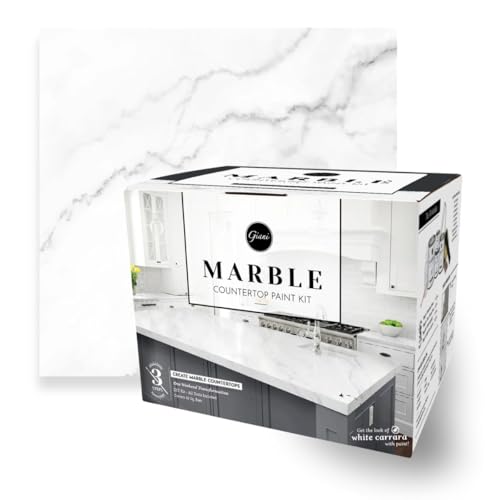
Marble paint is a unique type of paint that is designed to mimic the aesthetic of marble stone. It is often used in decorative arts to create stunning visual effects on various surfaces, including silk. The paint is typically composed of a base paint that is mixed with additives to achieve a marbled appearance. This technique allows for various colors to blend and swirl together, creating an organic, flowing pattern. Artists often use marble paint to enhance textiles, home décor, and various crafts.
What is Acid Dye?
Acid dye is a type of dye specifically formulated for protein fibers such as silk, wool, and nylon. These dyes are called “acid” because they require an acidic environment to bond effectively with the fiber. When applied to silk, acid dyes produce bright, vibrant colors that are both rich and long-lasting. They are known for their excellent color fastness and ability to penetrate the silk fibers completely, resulting in beautiful, deep hues.
Marble Paint vs. Acid Dye for Silk
When comparing marble paint and acid dye, it’s essential to consider various factors that can impact your project. Below, we will explore application techniques, color fastness, texture and finish, and safety considerations associated with each method.
Application Techniques
| Method | Application Technique |
|---|---|
| Marble Paint | Applied using brushes, sponges, or spray techniques to create patterns. Requires a base coat and often a sealant for durability. |
| Acid Dye | Applied by immersion, painting, or spraying. Requires a heat source (steam or boil) to set the dye. No base coat needed. |
Color Fastness
Color fastness is a critical factor in choosing a dye or paint for silk. Acid dyes are well-known for their excellent color fastness, meaning that the colors remain vibrant and resistant to fading over time, even with washing and exposure to light. On the other hand, marble paint may not have the same level of durability. While it can create beautiful designs, the paint may fade or wash out over time, particularly if not properly sealed.
Texture and Finish
The texture and finish of your silk can significantly impact the overall look of your project. Marble paint offers a textured finish with a three-dimensional quality, creating a unique aesthetic that can add depth to your designs. The swirling patterns can appear soft and fluid, enhancing the visual interest of the silk fabric.
In contrast, acid dye provides a smooth and uniform finish. The dye penetrates the fibers, resulting in a more traditional, solid color appearance. This method is ideal for achieving rich, deep colors without the texture that paint provides.
Safety Considerations
Safety is an important aspect to keep in mind when working with any dye or paint. Marble paint is typically less hazardous than acid dye, as it generally does not contain harsh chemicals. However, it’s still wise to work in a well-ventilated area and wear appropriate protective gear, such as gloves and a mask, to avoid inhaling any particles.
Acid dyes, conversely, can pose health risks if proper precautions aren’t taken. It’s crucial to wear gloves, goggles, and a mask when working with acid dyes to prevent skin irritation and respiratory issues. Additionally, any leftovers or spills should be handled carefully to avoid accidental ingestion or environmental harm.
Best Practices for Using Marble Paint and Acid Dye
Regardless of the method you choose for dyeing silk, following best practices will help ensure a successful outcome. Here are some tips for both marble paint and acid dye:
Best Practices for Marble Paint
- Prepare your silk by washing it to remove any residues that may affect paint adhesion.
- Experiment with different application techniques to see which yields the best results for your artistic vision.
- Seal the painted surface with a fabric sealant to protect against fading and wear.
- Allow ample drying time before handling or using the fabric.
Best Practices for Acid Dye
- Pre-soak your silk in a vinegar solution to enhance dye absorption.
- Follow the manufacturer’s instructions for mixing and applying the dye.
- Maintain the appropriate temperature during the dyeing process to ensure even color distribution.
- Thoroughly rinse the silk after dyeing to remove excess dye and prevent color bleeding.
Frequently Asked Questions
A: While it’s possible to use marble paint on silk without a base coat, applying a base coat may enhance adhesion and provide a more vibrant finish.
A: Yes, acid dye is safe for use on silk, but it is important to follow safety precautions, such as wearing gloves and working in a ventilated area.
A: Acid dye typically requires heat to set. This can be achieved through steaming or boiling the dyed fabric according to the dye manufacturer’s instructions.
A: Yes, silk dyed with acid dye can be washed, but it’s best to use gentle, cold water and avoid harsh detergents to maintain color vibrancy.
In conclusion, both marble paint and acid dye offer unique advantages and creative possibilities for dyeing silk. Your choice between these methods will depend on your specific project goals, desired aesthetics, and considerations regarding safety and durability. By understanding the nuances of each technique, you can confidently select the best approach to achieve stunning results in your silk dyeing projects.