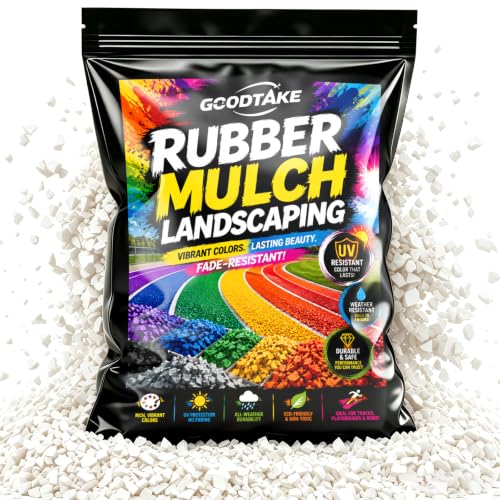
Choosing the right mulch color for your white house can significantly enhance your home’s curb appeal and create a cohesive landscape design. The right mulch not only serves functional purposes such as moisture retention and weed suppression but also contributes to the overall aesthetic of your property. With a variety of mulch colors available, selecting the perfect hue to complement your white house can be a fun yet challenging task.
Importance of Mulch Color
When landscaping around a white house, the color of the mulch plays a crucial role in creating an inviting atmosphere. The right color can highlight architectural features, complement the surrounding flora, and even influence the mood of the landscape. For example, a dark brown or black mulch creates a dramatic contrast against the bright white exterior, enhancing visual interest. In contrast, lighter-toned mulches such as beige or natural wood can create a softer, more integrated look.
Popular Mulch Colors for White Houses
There are several mulch colors that are particularly popular among homeowners with white houses. Here are some of the most favored options:
1. Dark Brown
Dark brown mulch is a classic choice that offers a rich, organic look. It contrasts beautifully with white exteriors, making plants and flowers stand out. Additionally, dark brown mulch tends to absorb heat, which can benefit plants that thrive in warmer soil conditions.
2. Black
Black mulch provides a sophisticated and modern look. It offers the most dramatic contrast against a white house, making it a popular choice for contemporary designs. Black mulch also helps retain moisture and suppress weed growth effectively.
3. Red
Red mulch can add a vibrant pop of color to your landscape. It works particularly well if you have red or warm-toned flowers and plants around your white house. However, be cautious with this choice, as it can sometimes clash with the cooler tones of a white exterior.
4. Natural or Light Color
Natural or light-colored mulch, such as pine straw or shredded cedar, can create a softer look. This option complements a white house by blending in with natural surroundings and is suitable for gardens with pastel-colored flowers.
Choosing the Right Color
When selecting the right mulch color for your white house, consider the following factors:
1. Architectural Style
The architectural style of your home can influence your mulch color choice. For example, traditional homes may look better with natural or dark brown mulch, while modern homes may benefit from the sleek look of black mulch.
2. Plant Selection
Consider the colors of the plants and flowers you plan to grow. Complementary colors can enhance visual appeal, while clashing colors can distract from the overall look. For instance, if you have vibrant flowers, a neutral mulch color may allow them to shine.
3. Seasonal Considerations
Think about how the mulch color will look throughout different seasons. Some colors may fade or change with exposure to sunlight and weather conditions. Darker mulches tend to hold their color better than lighter ones.
Maintenance of Colored Mulch
Colored mulch requires specific maintenance to retain its appearance and functionality. Here are some key maintenance tips:
1. Regular Inspection
Inspect your mulch regularly for signs of fading or decomposition. Over time, colored mulches can lose their vibrancy, especially if exposed to direct sunlight.
2. Reapplication
Consider reapplying colored mulch every year or two to maintain its appearance. This is particularly important for lighter colors that are more prone to fading.
3. Watering and Moisture Management
Ensure that your mulch retains moisture by watering adequately, especially during dry spells. This not only helps your plants but also prolongs the life of the mulch.
DIY Mulch Dyeing
If you’re looking for a cost-effective way to achieve your desired mulch color, consider DIY mulch dyeing. This process allows you to customize the color of your mulch to perfectly match your landscape design.
1. Choosing the Right Dye
When selecting a dye for your mulch, look for organic options that are safe for plants and the environment. Homemade mulch dye can be made from natural ingredients like beet juice, coffee grounds, or turmeric.
2. Application Process
To dye your mulch, mix the dye with water and apply it to the mulch using a sprayer or watering can. Ensure even coverage for the best results.
3. Timing
Apply dye during cooler parts of the day to prevent evaporation and ensure better absorption into the mulch.
A: It’s best to use organic dyes that are safe for plants. Avoid synthetic dyes as they may contain harmful chemicals.
FAQs
A: Dark brown and black mulches are often recommended for white houses due to their high contrast and ability to highlight the home’s features.
A: It’s advisable to replace or refresh your colored mulch every 1-2 years to maintain its appearance and prevent fading.
A: Yes, mixing different colors can create a unique look, but be cautious to maintain harmony in your landscape design.
Conclusion
Choosing the right mulch color for a white house can significantly enhance your home’s overall appearance while serving practical landscaping purposes. Consider the architectural style of your home, the colors of your plants, and the maintenance needs of your chosen mulch. Whether you opt for a dark, contrasting color or a lighter, more natural hue, the right mulch can create a stunning visual impact. Explore various mulch colors at Lowes, understand different mulch color options, or even try out a homemade mulch dye to customize your landscape. With thoughtful consideration and maintenance, your white house can be beautifully complemented by the perfect mulch color.