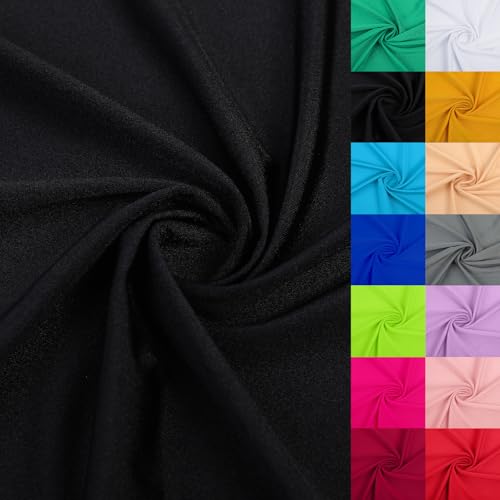
Nylon elastane fabric has garnered attention in the textile industry due to its unique blend of properties that cater to various clothing needs. One of the standout features of this fabric is its ability to achieve good color fastness, making it a preferred choice for both manufacturers and consumers alike. In this article, we will explore the characteristics of nylon elastane fabric, how it achieves color fastness, and why it is a popular choice for activewear, swimwear, and everyday clothing.
What is Nylon Elastane Fabric?
Nylon elastane fabric is a synthetic textile made from a combination of nylon fibers and elastane (also known as spandex or Lycra). Nylon, a strong and durable material, is known for its resistance to abrasions and moisture. Elastane, on the other hand, is renowned for its exceptional stretchability, allowing garments to fit snugly while providing comfort and freedom of movement.
Composition and Characteristics
The typical composition of nylon elastane fabric consists of approximately 80-90% nylon and 10-20% elastane. This blend results in a fabric that is not only strong and resilient but also stretchy and form-fitting. The two materials work synergistically, with nylon providing durability and elastane offering elasticity. This combination makes the fabric ideal for a wide range of applications, particularly in the fashion and sports industries.
Benefits of Nylon Elastane Fabric
Nylon elastane fabric boasts numerous advantages, making it a popular choice among designers and consumers. Some of the key benefits include:
1. Durability
Nylon is known for its exceptional strength, which allows garments made from this fabric to withstand wear and tear. This durability is particularly beneficial for activewear, swimwear, and other clothing items that experience frequent use.
2. Stretchability
The inclusion of elastane in the fabric blend provides excellent stretch and recovery. This means that garments made from nylon elastane can stretch to accommodate movement and then return to their original shape, ensuring a comfortable fit without sagging or losing form.
3. Lightweight and Breathable
Nylon elastane fabric is lightweight, making it an ideal choice for warm-weather clothing and activewear. Additionally, the breathable nature of nylon allows moisture to escape, keeping the wearer cool and comfortable during physical activities.
4. Good Color Retention
The ability of nylon elastane fabric to achieve good color fastness is one of its most notable features. This means that the colors used in the fabric will remain vibrant even after repeated washing and exposure to sunlight.
Color Fastness in Nylon Elastane Fabric
Color fastness refers to a fabric’s ability to retain its color when exposed to various conditions such as washing, light exposure, and perspiration. Nylon elastane fabric is known for its exceptional color fastness properties, which can be attributed to several factors:
1. Dyeing Process
The dyeing process used for nylon elastane fabric plays a significant role in achieving good color fastness. Manufacturers often use reactive dyes or disperse dyes, which bond well with the fibers, ensuring that the color remains intact even after multiple washes.
2. Fabric Structure
The structure of nylon elastane fabric contributes to its color retention. The tight weave of the fibers helps to lock in the dye, minimizing the chances of fading. A well-constructed fabric will also resist pilling and abrasion, further preserving the color quality.
3. Finish Treatments
Many nylon elastane fabrics undergo finish treatments that enhance their color fastness. These treatments can include chemical processes that improve the fabric’s resistance to fading caused by exposure to UV light and chlorine, making it suitable for swimwear and outdoor garments.
4. Maintenance and Care
Proper care and maintenance of nylon elastane fabrics are essential to maintain color fastness. Following the recommended washing instructions, avoiding harsh detergents, and minimizing exposure to direct sunlight can significantly extend the life of the color in these fabrics.
How to Care for Nylon Elastane Fabric
Caring for nylon elastane fabric is crucial for maintaining its appearance and performance. Here are some tips to ensure your garments stay vibrant and last longer:
1. Washing
When washing nylon elastane fabric, it is best to use a gentle cycle with cold water. Avoid using bleach or fabric softeners, as these can damage the fibers and affect color retention. Instead, opt for a mild detergent that is safe for synthetic fabrics.
2. Drying
Air drying is the most recommended method for drying nylon elastane garments. If using a dryer, select a low heat setting to prevent damage to the elastic fibers. High heat can cause the fabric to lose its stretch and shape.
3. Ironing
If necessary, iron nylon elastane fabric on a low heat setting while using a cloth barrier to protect the fabric. Avoid direct contact with the iron, as high temperatures can melt the fibers.
4. Storage
Store nylon elastane garments in a cool, dry place, away from direct sunlight. Avoid folding them in a way that creates creases or stress points, as this can lead to permanent damage over time.
Applications of Nylon Elastane Fabric
The versatility of nylon elastane fabric makes it suitable for a wide range of applications. Here are some common uses:
1. Activewear
Due to its stretchability, breathability, and durability, nylon elastane fabric is a popular choice for activewear. It allows for freedom of movement and is often used in leggings, sports bras, and workout tops.
2. Swimwear
Swimwear made from nylon elastane fabric benefits from its excellent color fastness and resistance to chlorine. This makes it ideal for vibrant swimsuits that can withstand repeated exposure to water and sunlight.
3. Loungewear and Casual Wear
Nylon elastane fabric is also commonly used in loungewear and casual clothing due to its comfort and ability to maintain shape. Items such as joggers, t-shirts, and dresses often feature this blend.
4. Underwear
The softness and stretch of nylon elastane fabric make it a favorite for underwear. It provides a comfortable fit and retains its shape, making it an ideal choice for everyday wear.
FAQ
A: While nylon is a synthetic material derived from petrochemicals, advancements in recycling processes and the development of bio-based nylons are improving its environmental impact. Look for brands that prioritize sustainability in their manufacturing processes.
A: Yes, nylon elastane fabric is suitable for outdoor clothing due to its durability and moisture-wicking properties. It is often used in jackets, hiking pants, and other outdoor apparel.
A: Nylon elastane fabric is generally more durable and stretchy than cotton. However, cotton is more breathable and may be preferred for casual wear. The choice depends on the intended use and desired properties of the garment.
A: Dyeing nylon elastane fabric at home is possible, but it requires specific dyes designed for synthetic fibers. Follow the manufacturer’s instructions for best results.
Conclusion
Nylon elastane fabric stands out in the textile industry for its unique blend of durability, stretchability, and excellent color fastness. Its ability to maintain vibrant colors makes it a preferred choice for various applications, including activewear, swimwear, and casual clothing. By understanding the characteristics and care requirements of this fabric, consumers can make informed decisions when selecting garments that not only look good but also stand the test of time. Whether you are an athlete, fashion enthusiast, or someone looking for comfortable everyday wear, nylon elastane fabric offers a versatile solution that meets diverse needs.