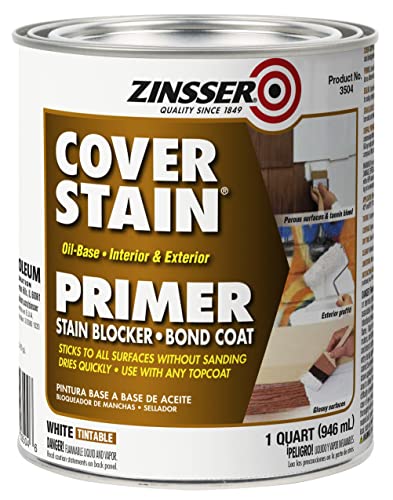
Painting over wallpaper can be a daunting task for many homeowners. Whether you’re looking to refresh a room or change the overall style, dealing with existing wallpaper can complicate the process. One effective solution is using an oil-based primer specifically designed for this purpose. In this article, we’ll explore the benefits of using oil-based primer for painting over wallpaper, the steps involved, and some tips to ensure a successful outcome.
Benefits of Using Oil-Based Primer
Using an oil-based primer when painting over wallpaper offers several advantages:
Superior Adhesion
Oil-based primers are known for their excellent adhesion properties. They penetrate the wallpaper and adhere to the underlying surface, forming a solid foundation for your paint. This is crucial in preventing peeling and chipping in the future.
Sealing Properties
Oil-based primers effectively seal the wallpaper, preventing any moisture from penetrating and causing damage. This is particularly important if your wallpaper is textured or if it has been painted multiple times.
Stain Blocking
If your wallpaper has stains or discoloration, an oil-based primer can help block these imperfections from showing through the new paint. This ensures that your final paint color remains true and vibrant.
Preparation Steps Before Priming
Proper preparation is key to a successful painting project. Follow these steps to ensure the best results when using oil-based primer over wallpaper.
Assess the Wallpaper Condition
Before you begin, inspect the wallpaper for damage, peeling, or bubbling. If the wallpaper is in poor condition, it may be best to remove it entirely instead of trying to paint over it.
Clean the Surface
Dust, dirt, and grease can prevent the primer from adhering properly. Clean the wallpaper with a mild detergent solution and wipe it down with a damp cloth. Allow it to dry completely before proceeding.
Repair Any Damage
If you find any tears or damaged areas, repair them with wallpaper adhesive or a patching compound. Smooth out any bumps to create an even surface for the primer.
How to Apply Oil-Based Primer
Once you’ve completed the preparation, you’re ready to apply the oil-based primer. Follow these steps for optimal results.
Gather Your Supplies
Before you start, make sure you have all the necessary supplies:
- Oil-based primer
- Paint roller and tray
- Brush for corners and edges
- Drop cloths
- Masking tape
- Paint thinner or mineral spirits (for cleanup)
Apply the Primer
Start by using masking tape to protect any areas you don’t want to be painted, such as trim, windows, and ceilings. Pour the oil-based primer into the paint tray, and use the roller to apply the primer evenly over the wallpaper.
Work in Sections
It’s best to work in small sections to ensure even coverage. Use a brush to cut in around edges and corners, and then use the roller for the larger areas. Apply a thin, even coat and allow it to dry according to the manufacturer’s instructions.
Inspect and Reapply if Necessary
Once the first coat is dry, inspect the wallpaper for any spots that need additional coverage. If necessary, apply a second coat of primer to ensure complete sealing.
Common Issues When Painting Over Wallpaper
Even with careful preparation and application, some common issues may arise when painting over wallpaper.
Peeling or Bubbling Paint
If you notice peeling or bubbling after the paint has dried, it may indicate that the primer did not adhere properly. This can happen if the wallpaper was not cleaned thoroughly or if it was too damaged.
Visible Wallpaper Patterns
Sometimes, the texture or pattern of the wallpaper can still show through the paint. To avoid this, ensure you apply enough primer and consider using a thicker paint designed for coverage.
Staining or Discoloration
If the wallpaper has stains, they may bleed through the paint despite using a primer. In such cases, consider using a stain-blocking primer to prevent this issue.
Frequently Asked Questions
A: While latex primers can be used, oil-based primers are generally more effective for sealing and adhering to wallpaper.
A: Drying times can vary, but oil-based primers typically take 6 to 8 hours to dry to the touch and may require up to 24 hours before the next coat can be applied.
A: Using a primer is recommended as it ensures better adhesion, seals the surface, and helps block stains, providing a smoother finish for the paint.
A: If you prefer to remove the wallpaper, be sure to follow a thorough removal process to avoid damaging the underlying wall surface.
In conclusion, using an oil-based primer for painting over wallpaper can significantly enhance your painting project. By ensuring proper preparation, application, and understanding potential issues, you can achieve a beautiful finish that revitalizes your space. Remember to take your time, follow the recommended steps, and don’t hesitate to reach out for advice if you encounter challenges along the way.