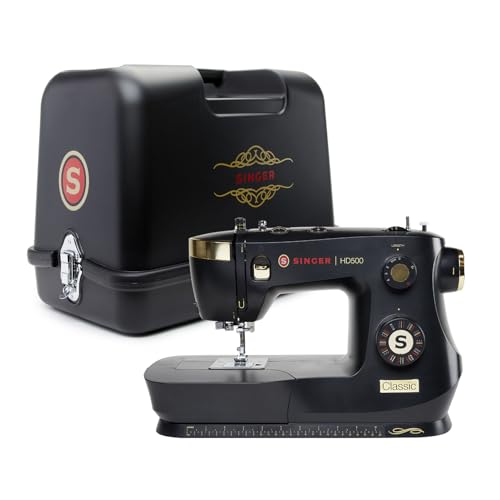

Vintage Singer sewing machines have become a beloved staple among sewing enthusiasts, collectors, and vintage lovers. These machines not only offer a unique aesthetic charm but also provide functionality that many modern machines can’t match. However, to keep these vintage gems running smoothly, proper maintenance is crucial. One of the essential aspects of this maintenance is using the right oil, particularly a vintage Singer sewing machine oil can. In this article, we will explore the importance of oil for your vintage Singer sewing machine, how to use it effectively, and other related tips to ensure your sewing experience is seamless.
Table of Contents
- Importance of Oiling Your Vintage Singer Sewing Machine
- Choosing the Right Oil for Your Vintage Singer Sewing Machine
- How to Oil Your Sewing Machine
- Common Mistakes to Avoid When Oiling
- Maintaining Your Vintage Machine
- Frequently Asked Questions
Importance of Oiling Your Vintage Singer Sewing Machine
For any sewing machine, especially vintage models, oiling is an essential maintenance step. The oil lubricates the moving parts, reducing friction and wear. If you neglect this step, you risk damaging your machine, which can lead to costly repairs or even a complete breakdown. Regular oiling not only extends the life of your vintage Singer sewing machine but also enhances its performance, allowing for smoother stitching and improved functionality.
Choosing the Right Oil for Your Vintage Singer Sewing Machine
When it comes to oiling your vintage Singer sewing machine, not all oils are created equal. It is vital to choose a high-quality sewing machine oil specifically designed for sewing machines. Here are some options:
| Type of Oil | Description |
|---|---|
| Mineral Oil | Commonly used in many sewing machines, it’s a good choice for vintage models. |
| Sewing Machine Oil | Specifically formulated for sewing machines, this oil is ideal for lubrication. |
| Synthetic Oil | Provides excellent lubrication and can withstand higher temperatures, but check compatibility with vintage machines. |
How to Oil Your Sewing Machine
Once you have the right oil, it’s time to learn how to apply it correctly. Here’s a step-by-step guide to oiling your vintage Singer sewing machine:
Step 1: Gather Your Supplies
You will need:
- High-quality sewing machine oil
- A clean, lint-free cloth
- Small brush (optional, for cleaning)
Step 2: Turn Off the Machine
Before you begin, ensure that your machine is turned off and unplugged to avoid any accidents.
Step 3: Clean the Machine
Use the lint-free cloth to wipe down the exterior of the machine. If you see any dust or lint inside, use a small brush to carefully remove it. This will prevent debris from mixing with the oil.
Step 4: Locate the Oiling Points
Your vintage Singer sewing machine will have specific oiling points indicated in the manual. Common areas include:
- The bobbin race
- The needle bar
- The feed dogs
Step 5: Apply the Oil
Using the oil can, apply a few drops of oil to each point. Be careful not to over-oil, as this can lead to excess buildup.
Step 6: Run the Machine
After oiling, run the machine for a few minutes without fabric. This helps distribute the oil throughout the internal components.
Step 7: Wipe Off Excess Oil
Finally, use the cloth to wipe away any excess oil from the exterior and any visible areas.
Common Mistakes to Avoid When Oiling
While oiling is a straightforward process, there are some common mistakes that many users make:
- Using the Wrong Oil: As mentioned earlier, avoid using oils not intended for sewing machines.
- Over-Oiling: Too much oil can attract dust and lint, leading to buildup.
- Neglecting Regular Maintenance: Set a schedule to ensure consistent care for your machine.
A: It’s best to oil your machine every 8-10 hours of sewing or at least once a month if not in use.
Maintaining Your Vintage Machine
Oiling is just one aspect of maintaining your vintage Singer sewing machine. Here are some additional tips to keep it in top shape:
Regular Cleaning
In addition to oiling, regularly clean your machine to remove dust and lint. This can help avoid issues such as thread jams and uneven stitching.
Check Tension Settings
Ensure that your tension settings are correct for the type of fabric you’re using. Incorrect tension can lead to poor stitching quality.
Use Quality Threads
Using high-quality threads can make a significant difference in your sewing experience. Cheaper threads may break easily or create lint that clogs your machine.
Consult the Manual
Your vintage Singer sewing machine manual is a valuable resource. Refer to it for specific maintenance tips and troubleshooting advice.
A: No, it’s important to use oil specifically designed for sewing machines to avoid damage.
Frequently Asked Questions
A: If you notice unusual noises, check for any excess oil that may have pooled and clean it up. If the problem persists, consult a technician.
A: If your machine is making more noise than usual or the stitching is skipping, it may be time to oil it.
A: Yes, vintage Singer machines are robust and can handle various fabrics, but ensure you’re using the correct needle and settings for heavier materials.
Conclusion
Taking care of your vintage Singer sewing machine is essential to ensure its longevity and optimal performance. Regular oiling with a vintage Singer sewing machine oil can, combined with proper cleaning and maintenance practices, will keep your machine running smoothly for years to come. Whether you’re creating intricate designs or simple repairs, a well-maintained machine makes all the difference. For those looking to enhance their sewing projects, consider exploring options like St. Patrick’s Day Embroidery or check out reviews on machines like the Melco EMT16X embroidery machine and Singer SE9180 sewing and embroidery machine. Happy sewing!