Sewing enthusiasts and beginners alike often find themselves navigating the intricacies of their machines. One of the most crucial components of a sewing machine is the feed dog. Understanding its function can significantly enhance your sewing experience, ensuring smoother operation and better results. In this article, we will delve into what the feed dog is, its importance, and how it contributes to your sewing projects.
Table of Contents
- What is the Feed Dog?
- How Does the Feed Dog Work?
- Types of Feed Dogs
- Feed Dog Maintenance
- Common Issues with Feed Dogs
- FAQ
- Conclusion
What is the Feed Dog?
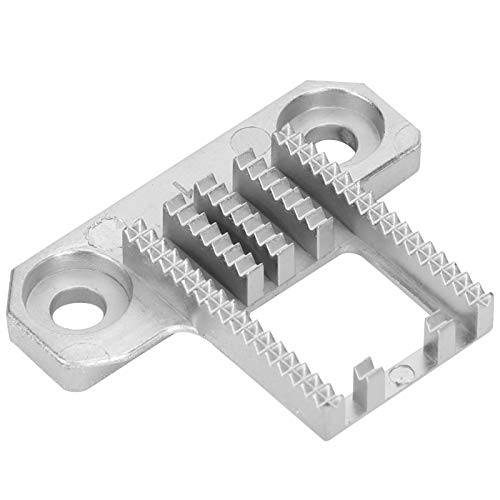
The feed dog is an essential component of a sewing machine that plays a critical role in the feeding mechanism. Positioned beneath the presser foot, the feed dog consists of small, raised teeth that grip the fabric and move it forward during sewing. This movement is crucial for ensuring that the fabric feeds evenly, which is vital for maintaining straight seams and consistent stitch quality.
How Does the Feed Dog Work?
The operation of the feed dog is synchronized with the needle’s movement. As the needle goes up and down to create stitches, the feed dog moves in a coordinated manner, pushing the fabric forward. This movement is controlled by the sewing machine’s motor and is adjusted based on the type of stitch and the thickness of the fabric.
The Feeding Mechanism
The feed dog operates on a simple mechanism involving a set of gears and cams. When the machine is turned on, the motor powers the feed dog, causing it to rise and fall in a specific pattern. This pattern is crucial for different sewing techniques. For example, when using a straight stitch, the feed dog moves the fabric in a linear motion, while for zigzag stitching, it may move in a different pattern to accommodate the stitch width.
Types of Feed Dogs
Feed dogs come in various types, each designed for specific sewing techniques and fabric types. Understanding these types can help you choose the right settings for your projects.
| Type of Feed Dog | Description |
|---|---|
| Standard Feed Dog | Used for basic sewing tasks, suitable for most fabric types. |
| Walking Foot Feed Dog | Designed for quilting and sewing multiple layers, ensuring even feeding of thick fabrics. |
| Free Motion Feed Dog | Allows for unrestricted movement of fabric, ideal for free-motion quilting and embroidery. |
Choosing the Right Feed Dog
Selecting the appropriate feed dog for your sewing project can enhance your results significantly. For instance, if you are working with slippery fabrics, a walking foot feed dog can be beneficial as it grips the fabric better. Conversely, for delicate materials, a standard feed dog may suffice.
Feed Dog Maintenance
Regular maintenance of your sewing machine, particularly the feed dog, is essential for optimal performance. A clean and well-maintained feed dog ensures smooth fabric feeding and consistent stitch quality. Here are some maintenance tips:
- Keep it Clean: Remove dust and lint from the feed dog area regularly to prevent buildup that can affect performance.
- Oil the Machine: Regularly oil your sewing machine according to the manufacturer’s instructions to keep all moving parts functioning smoothly.
- Inspect for Damage: Periodically check the feed dog for signs of wear or damage. If you notice any issues, consult your sewing machine’s manual for replacement options.
Common Issues with Feed Dogs
Even with proper maintenance, feed dogs can encounter issues that may affect your sewing. Here are some common problems and their solutions:
Fabric Slipping
If you notice that your fabric is slipping or not moving through the machine as it should, the feed dog may not be engaging properly. This can happen if the presser foot is not applying enough pressure. Adjusting the presser foot tension can resolve this issue.
Uneven Stitching
Uneven stitching can occur if the feed dog is damaged or if there is an accumulation of lint and debris. Regular cleaning and inspection are crucial to prevent this issue. If you continue to experience problems, consider consulting a technician.
Feed Dog Not Moving
If the feed dog is not moving at all, it could be due to a malfunction in the machine’s motor or a disconnection in the feed mechanism. In this case, it is advisable to seek professional assistance to diagnose and fix the issue.
A: It is recommended to clean your feed dog after every few sewing sessions or whenever you notice lint buildup, especially when working with fabrics that shed fibers.
A: Yes, most sewing machines allow for easy replacement of the feed dog. Consult your machine’s manual for specific instructions on how to do this safely.
FAQ
A: A broken feed dog can severely affect your sewing quality, leading to uneven stitches and difficulty feeding fabric. It’s best to replace it as soon as possible.
A: While it is possible to sew without the feed dog for specific techniques like free motion quilting, it is generally not recommended for standard sewing tasks.
Conclusion
Understanding what the feed dog is and how it functions is vital for any sewing enthusiast. By maintaining your feed dog and using the right type for your projects, you can enhance your sewing experience and achieve beautiful results. Whether you are creating intricate designs, such as beautiful embroidery on brown fabric or developing skills for custom patches, a well-functioning feed dog ensures that your fabric moves smoothly through the machine. Remember, a little attention to maintenance can go a long way in preserving the quality and longevity of your sewing machine.
If you’re interested in expanding your sewing skills, consider exploring seamless needle punch embroidery patterns, or check out our embroidery machine review for insights on the best tools for your projects. And for those who need a machine with versatility, look into the Brother embroidery machine with a large hoop to enhance your creativity!