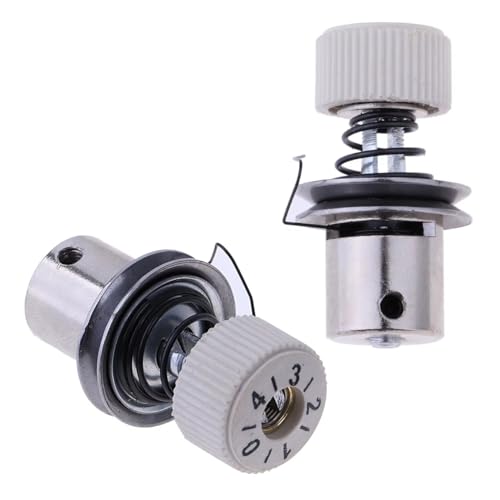

Sewing enthusiasts often find themselves troubleshooting various aspects of their machines, one of the most common issues being tension. Understanding what the tension on a sewing machine is, how it works, and how to adjust it can significantly enhance your sewing experience and the quality of your finished projects. Whether you’re a beginner or an experienced sewist, mastering machine tension is vital for achieving professional results.
Table of Contents
- What is Tension on a Sewing Machine?
- How Tension Works
- Signs of Bad Tension
- Adjusting Tension
- Common Tension Issues
- FAQ
What is Tension on a Sewing Machine?
Tension in sewing machines refers to the amount of pressure that the thread experiences as it moves through the machine, including the upper thread and the bobbin thread. The tension settings control how tightly or loosely the threads are pulled together, which directly affects the stitching on your fabric. A correctly set tension ensures that the top and bottom threads interlock perfectly, creating even stitches. Incorrect tension can lead to various sewing problems, such as thread breakage or uneven stitching.
How Tension Works
The tension mechanism on a sewing machine consists of two primary components: the upper tension and the lower tension (bobbin tension). Each of these components plays a crucial role in how the thread behaves during sewing.
Upper Tension
The upper tension is adjusted via a dial or knob on the machine. This setting controls the amount of tension on the upper thread, which is the thread that comes from the spool and goes through the needle. The upper tension influences how tightly the needle pulls the thread through the fabric.
Lower Tension
The lower tension refers to the tension of the bobbin thread, which is housed in the bobbin case beneath the needle plate. This tension is typically adjusted via a small screw on the bobbin case. Proper bobbin tension is crucial for ensuring that the upper thread and bobbin thread interlock correctly.
Signs of Bad Tension
Recognizing the signs of poor tension is essential for maintaining the quality of your sewing projects. Below are some common indicators that your tension may be off:
| Sign | Description |
|---|---|
| Loose Stitches | Stitches appear baggy or loose on the fabric surface, with visible loops. |
| Puckering | The fabric gathers or puckers along the seam line, creating an uneven surface. |
| Thread Breakage | Frequent thread breakage during sewing can indicate excessive tension. |
| Uneven Stitching | Stitches are inconsistent in length or appearance, leading to an unprofessional finish. |
Adjusting Tension
Adjusting the tension on your sewing machine is a straightforward process, but it requires a bit of practice to get it just right. Follow these steps to adjust your machine’s tension effectively:
Step 1: Prepare Your Machine
Thread your machine with the thread you intend to use for your project. Make sure the needle is appropriate for your fabric type.
Step 2: Test Stitching
Start by sewing a test stitch on a scrap piece of the same fabric. This will allow you to evaluate the tension settings without ruining your main project.
Step 3: Adjust Upper Tension
Based on the test stitching results, adjust the upper tension dial. If the stitches are too loose, increase the tension by turning the dial to a higher number. If they are too tight, reduce the tension by turning the dial to a lower number.
Step 4: Adjust Lower Tension
If necessary, adjust the lower tension by turning the screw on the bobbin case. Turn it slightly, as even a small adjustment can make a significant difference.
Step 5: Retest and Fine-Tune
After making adjustments, sew another test stitch. Repeat the process until you achieve the desired tension.
Common Tension Issues
Even after adjusting your sewing machine’s tension, you might encounter some recurring issues. Here are some common tension-related problems and how to fix them:
Puckered Fabric
If your fabric is puckering, it often indicates that the upper tension is too tight. Try loosening the upper tension by turning the dial down a notch or two.
Thread Bunching
Thread bunching on the underside of the fabric is typically a sign of loose upper tension. Conversely, it can also happen if the bobbin tension is too tight. Adjust accordingly and retest.
Skipped Stitches
Skipped stitches can occur when the tension is too tight, or if the needle is dull or mismatched to the fabric. Check both the tension and consider replacing the needle if necessary.
Thread Breakage
If you experience frequent thread breakage, check the tension settings and ensure that the thread is properly threaded through the machine. It may also be worth examining the quality of your thread.
FAQ
A: It’s a good practice to check and adjust the tension settings whenever you change thread types, fabric, or after a significant amount of sewing. Regular testing with scrap fabric can help maintain optimal tension.
A: No, different fabrics require different tension settings. For instance, lightweight fabrics like silk may need looser tension, while heavier fabrics like denim may require tighter settings.
A: If you find that the tension won’t adjust despite your efforts, there may be a mechanical issue with your machine. Consult the user manual or a professional technician for assistance.
A: Yes, both upper and lower tensions must work in harmony for balanced stitches. Always check both tensions if you’re experiencing issues with stitching.
By mastering the basics of sewing machine tension, you can significantly improve your sewing skills and the quality of your projects. Remember, practice makes perfect, and utilizing the right tension settings will help you create beautiful and consistent stitches, whether you’re working on a stunning wedding dress with unique embroidery flair or exploring the intricate world of Spanish blackwork embroidery.
For those interested in expanding their skills further, check out our articles on Discover Timeless Beauty: Spanish Blackwork Embroidery, Top Embroidery Designs for Shirts: A Stylish Review, or explore options for a Reliable Home Computerized Embroidery Machine for Beginners. Each resource can enhance your sewing experience and creativity!
Whether you’re a seasoned professional or a beginner, understanding what the tension on a sewing machine is and how to adjust it can lead to a more enjoyable and productive sewing journey. Happy sewing!