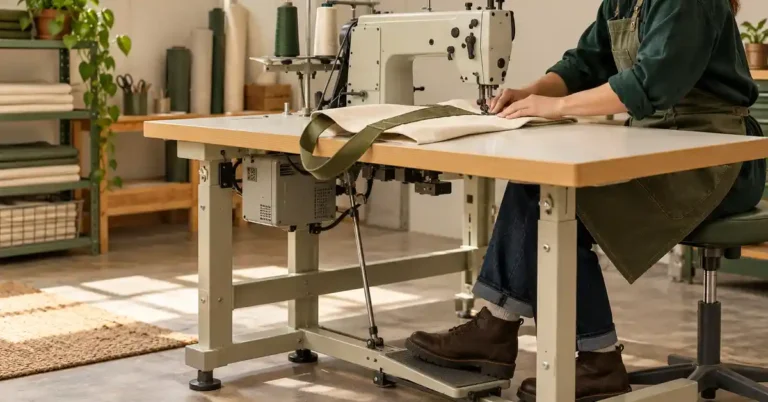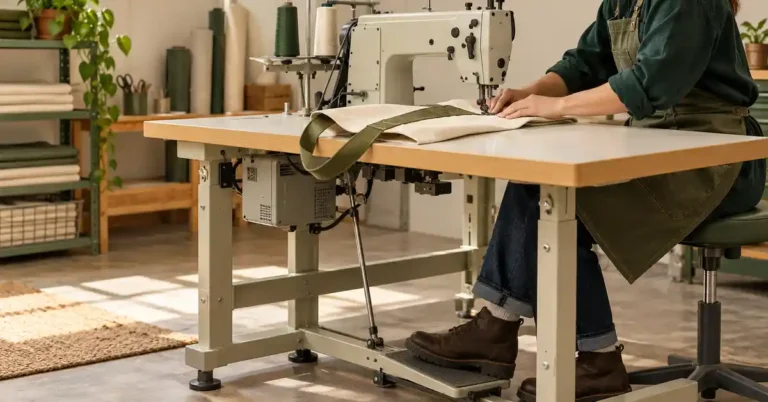

Antique sewing machines are not just tools for stitching fabric; they are a celebration of craftsmanship, design, and history. Among the most fascinating components of these machines is the base. An antique sewing machine base serves as the foundation for these devices, often showcasing intricate designs and solid construction. Enthusiasts and collectors alike appreciate these bases not merely for their function but also for their aesthetic qualities and historical significance. In this article, we will explore the various aspects of antique sewing machine bases, their styles, their uses, and tips on how to care for them.
History of Antique Sewing Machine Bases
The history of antique sewing machine bases dates back to the late 19th century when sewing machines became a staple in households. These bases were designed to provide stability and support for the sewing machine, often made from cast iron or wood. The intricate designs of the bases reflected the craftsmanship of the era, with many featuring ornate scrollwork and detailing that showcased the artistry of metalworking.
The Evolution of Design
As sewing machines evolved, so did their bases. Early models featured simpler designs focused on functionality, while later models incorporated more elaborate aesthetics. The introduction of treadle sewing machines in the 1850s marked a significant shift, as the base became an essential part of the sewing experience, allowing users to operate the machine with their feet.
Styles of Antique Sewing Machine Bases
Antique sewing machine bases come in various styles that reflect the period and the manufacturer’s design philosophy. Understanding these styles can help collectors identify and appreciate these beautiful pieces.
Cast Iron Bases
Cast iron bases are among the most common types found in antique sewing machines. They are known for their durability and stability, often featuring intricate designs. The combination of iron and decorative elements made these bases both functional and visually appealing.
Wooden Bases
Wooden bases were popular in the early 20th century, offering a warmer aesthetic compared to their metal counterparts. These bases are often made from hardwoods like oak or mahogany and can be beautifully crafted with inlays and carvings.
Art Deco and Modern Styles
With the rise of the Art Deco movement in the 1920s and 1930s, sewing machine bases began to incorporate geometric designs and a more streamlined aesthetic. These bases often reflect the Modernist emphasis on simplicity and functionality.
| Style | Material | Characteristics |
|---|---|---|
| Cast Iron | Iron | Durable, intricate designs, heavy |
| Wooden | Wood | Warm appearance, often ornate, lighter |
| Art Deco | Mixed materials | Geometric patterns, streamlined look |
Restoration and Care Tips
Restoring an antique sewing machine base can breathe new life into it, allowing it to serve both functional and decorative purposes. Here are some tips for restoration and care:
Assessing Condition
Before starting any restoration work, assess the condition of the base. Look for rust, cracks, or missing parts. Understanding what needs repair will help you plan your restoration process.
Cleaning
Start by cleaning the base with a soft cloth and a solution of mild soap and water. For metal bases, consider using a rust remover if necessary. Avoid abrasive cleaners that can scratch the surface.
Repairing Damage
If you encounter rust, sand it down gently before applying a protective coating. For wooden bases, consider filling in cracks with wood filler and sanding it smooth. Refinish with a suitable wood stain or varnish to restore its original beauty.
Repurposing Antique Sewing Machine Bases
Antique sewing machine bases can be repurposed into various furniture pieces, adding a vintage touch to modern décor. Here are some creative ideas:
Dining Tables
One popular way to repurpose an antique sewing machine base is to transform it into a dining table. Pair it with a wooden or glass top for a unique centerpiece in your dining room.
Desks
Antique sewing machine bases can also make beautiful desks. Adding a flat surface can create a quaint workspace that invites creativity.
Side Tables
Smaller sewing machine bases can be turned into side tables or accent tables, perfect for displaying plants, lamps, or decorative items.
Collecting Antique Sewing Machine Bases
Collecting antique sewing machine bases can be a rewarding hobby, but it requires knowledge and patience. Here are some tips for budding collectors:
Research and Educate Yourself
Understanding the history and styles of antique sewing machines is crucial. Invest time in researching different manufacturers, models, and their values. Joining collector groups or forums can also provide valuable insights.
Where to Buy
Antique sewing machine bases can be found at various places, including antique shops, flea markets, and online marketplaces. Always check the condition and authenticity before purchasing.
Networking with Other Collectors
Networking can open doors to exclusive finds. Attend antique fairs, expos, or online communities to connect with other enthusiasts and collectors.
A: Look for manufacturer markings, model numbers, and design features that correspond to known production periods. Researching these details can help you determine the approximate age.
A: Yes, the value of antique sewing machine bases can vary significantly based on their condition, rarity, and demand. Some well-preserved bases from popular brands can fetch high prices among collectors.
A: Yes, with some modifications, you can adapt an antique sewing machine base to accommodate modern machines. Consider consulting with a craftsman for safe and effective modifications.
Frequently Asked Questions
A: Regular cleaning and avoiding exposure to moisture can help maintain its condition. For metal bases, consider applying a light layer of oil to prevent rust.
A: Some replacement parts can be found online or through specialized antique shops, but availability varies. It’s advisable to check with antique dealers or collectors for leads on specific parts.
Conclusion
The antique sewing machine base is more than just a support for a sewing machine; it is a testament to the craftsmanship and design of yesteryears. Understanding the history, styles, and care of these bases can enhance your appreciation whether you are a collector, a sewing enthusiast, or simply a lover of vintage decor. By repurposing these bases, you can integrate their beauty into your modern living space, creating functional art that tells a story. As you embark on your journey of collecting or restoring antique sewing machine bases, remember to take your time, do your research, and enjoy the process of preserving a piece of history.