For anyone passionate about sewing and embroidery, the right tools can make all the difference. Among the various machines available today, the back stitch sewing machine stands out for its versatility and precision. Whether you are a beginner looking to enhance your skills or an experienced seamstress seeking to expand your toolkit, understanding the functionalities and benefits of a back stitch sewing machine can greatly enhance your sewing projects.
What is a Back Stitch Sewing Machine?
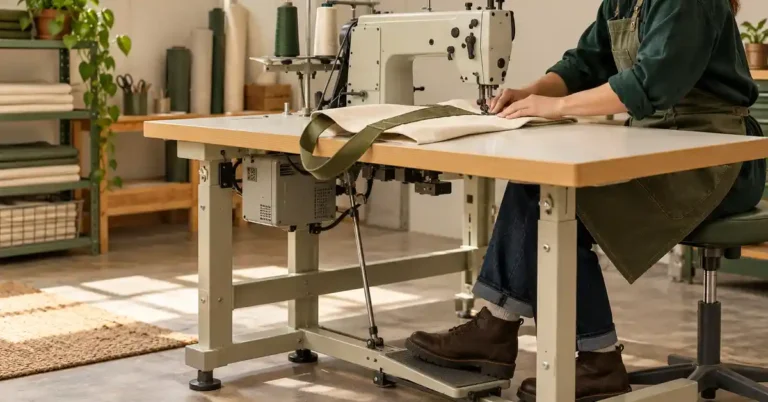
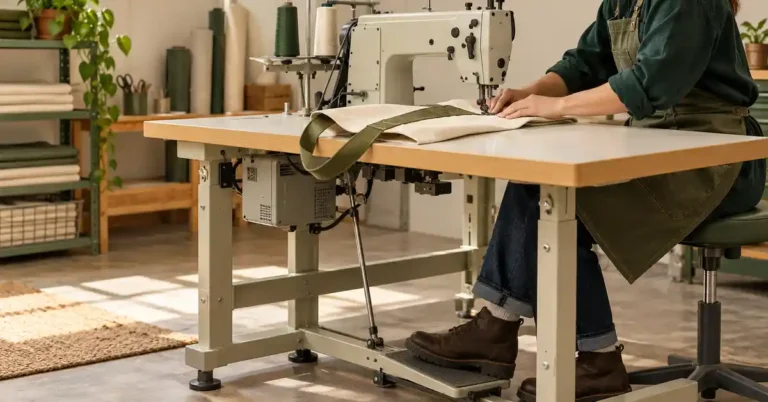
A back stitch sewing machine is a type of sewing machine that is designed to create back stitches, a technique that involves sewing backward to double the strength of a seam. This method is especially useful for securing seams and adding decorative elements to fabric, making it a popular choice among both hobbyists and professionals. In essence, this machine allows for greater control over stitch placement and tension, resulting in cleaner and more durable seams.
How Does a Back Stitch Sewing Machine Work?
The mechanics of a back stitch sewing machine are relatively straightforward. When sewing, the machine feeds the fabric through while simultaneously moving the needle up and down. To create a back stitch, the user can press a button or use a pedal that reverses the machine’s direction, allowing the needle to sew backward for a few stitches before returning to the forward position. This technique not only reinforces seams but can also be used creatively in embroidery and decorative stitching.
Advantages of Back Stitch Sewing Machines
Utilizing a back stitch sewing machine comes with numerous advantages, making it a worthy investment for any sewing enthusiast. Here are some key benefits:
| Advantage | Description |
|---|---|
| Durability | Back stitches provide extra strength to seams, reducing the likelihood of unraveling. |
| Versatility | These machines can handle various fabrics, making them suitable for different sewing projects. |
| Precision | Back stitch machines allow for accurate stitch placement, enhancing the overall quality of the work. |
| Creative Opportunities | They can be used for decorative stitching in embroidery, giving projects a unique flair. |
Choosing a Back Stitch Sewing Machine
When selecting a back stitch sewing machine, consider the following factors to ensure you choose the one that best meets your needs:
1. Budget
Back stitch sewing machines come in various price ranges, from budget-friendly options for beginners to high-end models for professionals. Determine your budget beforehand to narrow down your choices.
2. Features
Look for features that suit your sewing style. Some machines offer additional stitches, automatic threading, and built-in embroidery functions, while others may focus solely on basic sewing tasks.
3. Brand Reputation
Research reputable brands known for their reliability and customer service. Popular brands often provide better support and warranty options.
4. Ease of Use
Choose a machine that matches your skill level. Beginners might benefit from machines with user-friendly interfaces, while experienced sewists may prefer advanced options with more features.
Maintenance and Care of Back Stitch Sewing Machines
To ensure your back stitch sewing machine operates optimally, regular maintenance is essential. Here are some maintenance tips:
Cleaning
Regularly clean your machine to remove dust and lint, especially around the bobbin area and needle plate. This helps prevent jams and ensures smooth operation.
Oiling
Consult your machine’s manual for oiling instructions. Some machines require periodic oiling to keep the internal mechanisms functioning smoothly.
Needle Replacement
Replace needles regularly, especially if you notice skipped stitches or if the needle becomes dull. Use the appropriate needle type for the fabric you are working with.
Common Uses for Back Stitch Sewing Machines
Back stitch sewing machines are versatile tools that can be used for a variety of sewing applications. Here are some common uses:
1. Garment Construction
Back stitches are often used in garment construction to create strong seams that withstand wear and tear. This technique is especially useful for sewing denim, canvas, and other heavy fabrics.
2. Home Décor Projects
Whether you’re making curtains, cushions, or table covers, a back stitch sewing machine can help you achieve durable seams that enhance the quality of your home décor items.
3. Embroidery Projects
Using a back stitch sewing machine for embroidery allows for intricate designs and patterns. Its precision enhances the detail of decorative stitching, making it ideal for embellishing various fabrics.
4. Quilting
Quilters often use back stitches to secure layers of fabric, ensuring that the quilt holds together well over time. The added strength of back stitches can be crucial in maintaining the quilt’s integrity.
Frequently Asked Questions
A: Yes, back stitch sewing machines are excellent for embroidery projects, allowing for precise and decorative stitching.
A: Common issues include thread jams and skipped stitches. Check your needle for damage, ensure proper threading, and keep the machine clean to prevent these problems.
A: Yes, back stitches are a specific type of stitch that involves sewing backward to reinforce seams, while regular stitches typically only sew in one direction.
A: A back stitch sewing machine can handle a variety of fabrics, including heavy materials like denim and lighter fabrics such as cotton and silk.
A: While standard needles can be used, it’s advisable to select needles appropriate for the fabric type you are sewing to achieve the best results.
In conclusion, a back stitch sewing machine is a valuable tool for both novice and experienced sewists. Its ability to create durable seams, combined with its versatility for various sewing projects, makes it an essential addition to any sewing room. By understanding its functionality, properly maintaining the machine, and exploring its many uses, you can elevate your sewing skills significantly. Whether making garments, home décor items, or engaging in intricate embroidery, the back stitch sewing machine will help you achieve professional-looking results.
For those interested in expanding their sewing and embroidery skills, consider exploring other valuable resources and tools, such as the Melco 16 needle embroidery machine or the Barudan 4 head embroidery machine. Additionally, check out our guides on the best tea towels for embroidery and beautiful embroidery designs for stunning blouses. Don’t forget to explore the charming embroidery hoop ornaments for Christmas joy!