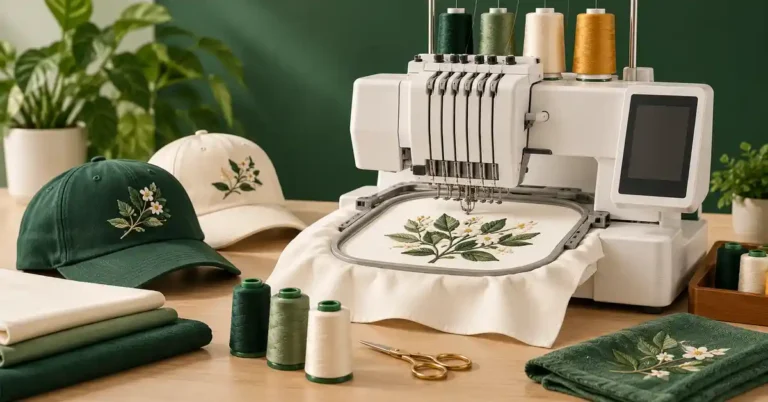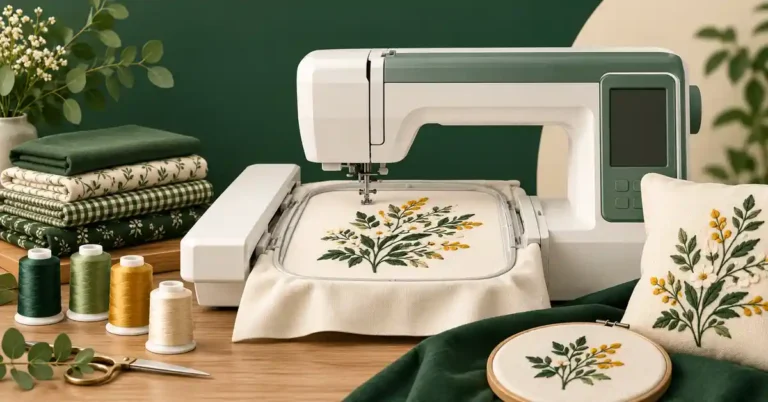
When it comes to embroidery machines, the market is flooded with options, each boasting unique features and benefits. Among these, the Bai and Ricoma machines have gained considerable attention from both amateurs and professionals alike. Choosing between these two brands can be a daunting task, especially if you’re not fully aware of what each has to offer. In this article, we will compare the Bai vs Ricoma embroidery machine, exploring their features, benefits, and potential drawbacks to help you make an informed decision.
Overview of Bai and Ricoma Embroidery Machines
Bai embroidery machines are known for their affordability and user-friendly design, making them an excellent choice for beginners and hobbyists. On the other hand, Ricoma machines are often favored by professionals for their advanced features and higher production capabilities. Understanding the core offerings of each brand can help you determine which one aligns better with your needs.
Features Comparison
| Feature | Bai Embroidery Machine | Ricoma Embroidery Machine |
|---|---|---|
| Number of Needles | 1-6 needles | 1-15 needles |
| Stitch Options | Basic to intermediate | Advanced with customization |
| Embroidery Area | Small to medium | Medium to large |
| Software | Basic software included | Advanced software options |
| Price Range | Budget-friendly | Mid to high-end |
Number of Needles
The number of needles on an embroidery machine can significantly impact your workflow. Bai machines typically offer between 1 to 6 needles, which is suitable for smaller projects and basic designs. Ricoma machines, on the other hand, can have up to 15 needles, allowing for more complex designs and color changes without needing to stop and switch threads.
Stitch Options
Bai machines come with a selection of basic to intermediate stitch options, making them ideal for beginners. Ricoma machines boast a wider range of stitch options, including more advanced customization features, catering to professional embroiderers who require versatility in their designs.
Embroidery Area
The embroidery area determines the size of the designs you can create. Bai machines generally offer a smaller embroidery area, making them suitable for personal projects or small business use. In contrast, Ricoma machines provide a larger embroidery area, essential for commercial use and larger designs.
Software
Both brands come with accompanying software, but they differ vastly in features. Bai machines typically include basic software that allows for standard embroidery functions. Ricoma offers more advanced software options, enabling professional-level design editing and customization.
Price Range
In terms of pricing, Bai machines are budget-friendly, making them accessible for those just starting or operating on a tight budget. Ricoma machines fall into the mid to high-end price range, reflecting their advanced features and capabilities, making them better suited for serious embroiderers and businesses.
Performance Analysis
When it comes to performance, both Bai and Ricoma machines have their strengths. Bai machines are known for their reliability during moderate use, while Ricoma machines excel in high-performance settings.
Speed and Efficiency
Ricoma machines typically operate at higher speeds, enabling faster production times, which is crucial for businesses aiming to meet high demand. Bai machines, while slower, still maintain a good pace for personal projects and smaller orders.
Durability
Durability is essential, especially for professional use. Ricoma machines are built to withstand heavier workloads, whereas Bai machines may require more maintenance and care under frequent use.
Ease of Use
For beginners, ease of use is a critical factor when selecting an embroidery machine. Bai machines are designed with user-friendliness in mind, featuring intuitive controls and straightforward setup. They often come with detailed manuals and easy-to-follow instructions.
Setup Process
The setup process for Bai machines is typically less complicated, allowing users to start their projects quickly. Ricoma machines, while still manageable, may require a bit more technical knowledge due to their advanced features.
User Interface
The user interface can significantly impact your experience. Bai machines often have simpler interfaces, making them ideal for beginners. Ricoma machines might have a steeper learning curve due to their more complex features, but they also provide more options once you’ve mastered the basics.
Cost Considerations
Cost is often a deciding factor when purchasing an embroidery machine. Bai machines are generally more affordable, making them a popular choice for hobbyists and those on a budget. Ricoma machines, while pricier, offer advanced features that may justify the investment for serious embroiderers.
Long-term Value
While Bai machines are less expensive upfront, they may not provide the same long-term value as Ricoma machines for professional use. If you plan to grow your embroidery business, investing in a Ricoma machine might be the better option in the long run.
Maintenance Costs
Consider the maintenance costs associated with each machine. Bai machines may require more frequent servicing, while Ricoma machines are designed for durability and may incur lower maintenance costs over time.
A: Bai machines are best suited for personal projects and small businesses due to their limited features and durability compared to Ricoma machines.
Customer Support
Customer support can significantly affect your experience with an embroidery machine. Bai machines generally offer basic support, while Ricoma is known for providing comprehensive customer service, including training and troubleshooting assistance.
Training Resources
Ricoma often provides training resources, including video tutorials and webinars, to help users maximize their machine’s capabilities. Bai may offer less in terms of training, which could be a consideration for beginners.
Warranty and Service
Warranty options can also differ. Ricoma machines typically come with longer warranty periods, reflecting their build quality and reliability. Bai machines may have shorter warranties, so it’s essential to check the specifics before making a purchase.
A: Warranty periods can vary; Bai machines often have shorter warranties, while Ricoma machines usually provide longer coverage due to their durability.
FAQs
A: Bai machines are generally considered better for beginners due to their user-friendly design and affordability.
A: While possible, Bai machines are not recommended for heavy commercial use; they are better suited for personal and small business projects.
A: Bai machines are budget-friendly, typically ranging from $200 to $1,000, while Ricoma machines range from $1,500 to $5,000 or more, depending on features.
Conclusion
Choosing between Bai and Ricoma embroidery machines ultimately comes down to your specific needs and budget. Bai machines are excellent for beginners and personal use due to their affordability and ease of use. In contrast, Ricoma machines are better suited for professionals and businesses that require advanced features and higher production capabilities. By carefully considering your embroidery projects and goals, you can make an informed decision that aligns with your needs.
For more information on embroidery machines, check out our reviews on why does my thread keep breaking on embroidery machine, or explore our guide on the perfect beginner’s embroidery machine to find the best fit for your journey into embroidery.