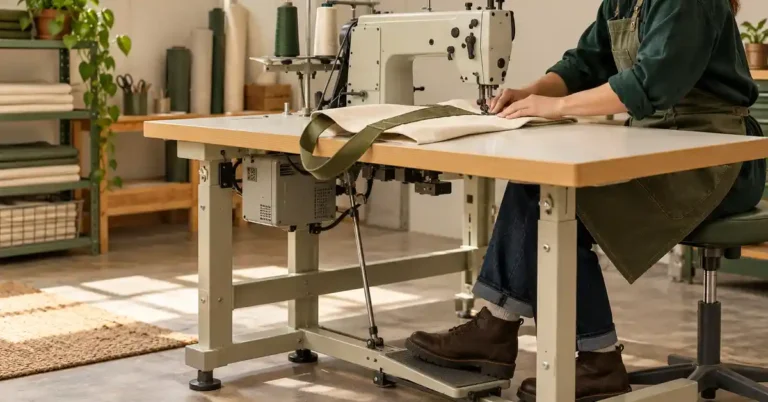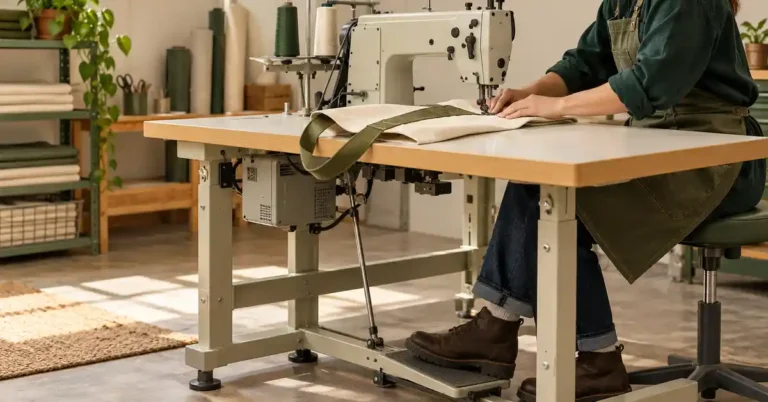

In the world of sewing and embroidery, the bar tacking sewing machine stands out as an essential tool for both amateur and professional tailors. This specialized machine is designed to reinforce seams, prevent fraying, and enhance the durability of garments, making it a staple in garment manufacturing and repair. Whether you’re looking to strengthen the edges of a pocket or secure buttonholes, understanding the functionality and advantages of a bar tacking sewing machine can significantly improve your sewing projects.
What is Bar Tacking?
Bar tacking refers to the technique of sewing several stitches in a small area to provide extra strength and support to seams, especially in high-stress areas. It is commonly used in various applications such as pockets, belt loops, and buttonholes. The stitches create a dense, reinforced area that prevents the fabric from tearing or fraying, thus increasing the lifespan of the garment.
How Does a Bar Tacking Sewing Machine Work?
A bar tacking sewing machine operates on a simple principle: it creates a series of tight, overlapping stitches in a small area. Here’s how it typically works:
- The machine is set with specific stitch patterns, usually a zigzag or straight stitch.
- The fabric is fed into the machine, and upon pressing the foot pedal, the machine begins to sew.
- As the machine sews, it forms a dense cluster of stitches, usually ranging from 5 to 10 stitches, depending on the settings.
- The result is a small but strong area that can withstand significant tension and strain.
Benefits of Using a Bar Tacking Sewing Machine
Utilizing a bar tacking sewing machine offers numerous advantages, particularly in professional sewing environments. Here are some key benefits:
| Benefit | Description |
|---|---|
| Durability | Bar tacking reinforces critical areas, enhancing the longevity of garments. |
| Efficiency | Speedy production of reinforced seams saves time in manufacturing. |
| Consistency | Uniform stitch patterns ensure a professional finish across all garments. |
| Versatility | Can be used on various fabrics, from heavy denim to lightweight cotton. |
Types of Bar Tacking Sewing Machines
There are several types of bar tacking sewing machines available, each designed for specific applications and user needs. Here’s a breakdown of the most common types:
1. Manual Bar Tacking Machines
These are basic machines that require manual operation. They are suitable for small-scale sewing projects and repairs.
2. Electronic Bar Tacking Machines
These machines offer programmable settings, allowing users to easily adjust stitch patterns and lengths for different projects. They are ideal for high-volume production environments.
3. Semi-Automatic Bar Tacking Machines
This type combines manual and electronic features, providing some automation for repetitive tasks while still allowing for manual adjustments.
4. High-Speed Bar Tacking Machines
Designed for industrial use, these machines can work at high speeds, making them suitable for mass production in clothing factories.
How to Use a Bar Tacking Sewing Machine
Using a bar tacking sewing machine is relatively straightforward, but it requires a bit of practice to perfect. Here are the general steps to follow:
Step 1: Set Up the Machine
Ensure that your machine is properly threaded and the bobbin is filled. Select your desired stitch pattern and length based on the fabric and application.
Step 2: Position the Fabric
Place the fabric under the presser foot, ensuring that the area you want to reinforce is aligned correctly. Secure the fabric with pins or fabric clips if necessary.
Step 3: Start Sewing
Press the foot pedal to begin sewing. The machine will automatically create the bar tack, usually in a matter of seconds.
Step 4: Finish the Stitch
Once the bar tack is complete, lift the presser foot and remove the fabric. Trim any excess threads for a clean finish.
Maintenance Tips for Bar Tacking Sewing Machines
- Clean the Machine: Regularly remove lint and debris from the machine, particularly around the needle and bobbin area.
- Oil the Machine: Follow the manufacturer’s instructions for oiling your machine to keep it running smoothly.
- Check the Needle: Replace the needle regularly, especially if you notice skipped stitches or fabric snagging.
- Inspect the Tension: Ensure that the thread tension is correctly adjusted for the type of fabric you’re using.
Frequently Asked Questions
A: Bar tacking sewing machines can handle a variety of fabrics, including denim, cotton, polyester, and more. Always check your machine’s manual for specific fabric recommendations.
A: Yes, many bar tacking machines allow you to adjust the stitch length and pattern according to your needs.
A: Routine maintenance should be done after every sewing session, while deep cleaning and oiling can be done weekly or monthly, depending on usage.
A: While not essential, a bar tacking machine can greatly enhance the durability of your home sewing projects, especially for items that experience significant wear and tear.
In conclusion, a bar tacking sewing machine is an invaluable tool that enhances the durability and quality of sewing projects. Whether you are a seasoned professional or a hobbyist, investing in a bar tacking machine can significantly improve your sewing efficiency and results. For those looking to explore more about sewing and embroidery, consider enhancing your creativity with the Brother SE400 Embroidery Attachment, or discover charming embroidery patterns for tea towels. Happy sewing!