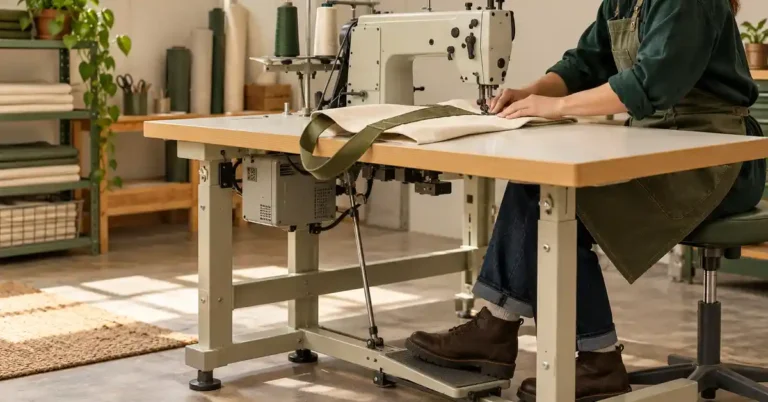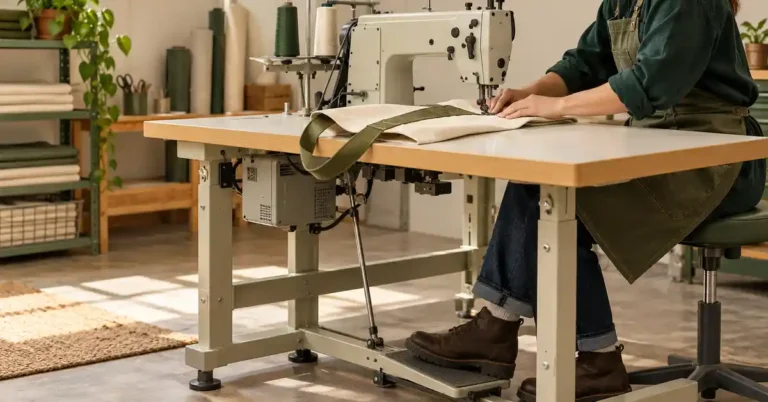
The baste stitch on a sewing machine is one of those features that can make a world of difference in your sewing projects. Whether you’re assembling a quilt, fitting a garment, or preparing for embroidery, mastering the baste stitch can help you achieve more precise results. In this article, we will delve into what a baste stitch is, how to use it effectively on your sewing machine, and share tips and tricks to enhance your sewing skills.
What is a Baste Stitch?
A baste stitch is a long, loose stitch that is typically used in sewing to temporarily hold fabric pieces together. This stitch is essential for various projects, especially when precision is crucial. Unlike regular stitches, the baste stitch is not meant to withstand wear and tear; instead, it serves as a guide or placeholder until the final stitching is applied.
How to Use a Baste Stitch
Using a baste stitch on a sewing machine is straightforward. Here’s a step-by-step guide to help you master this technique:
Step 1: Prepare Your Sewing Machine
Before you start sewing, ensure your machine is set up correctly. Thread your machine with a contrasting thread color for easy removal later.
Step 2: Adjust the Stitch Length
Set your sewing machine to a longer stitch length, typically between 4.0 to 6.0 mm. A longer stitch will make it easier to remove the baste stitches later.
Step 3: Position Your Fabric
Place the fabric pieces you want to baste together, aligning the edges accurately. Pinning the fabric can also help maintain alignment during stitching.
Step 4: Start Basting
Begin sewing along the seam line, sewing a straight line to connect the fabric pieces. Make sure to backstitch at the beginning and end if you want to secure the ends of the basting stitch temporarily.
When to Use a Baste Stitch
Knowing when to employ a baste stitch is crucial for successful sewing projects. Here are some common scenarios where a baste stitch is beneficial:
Fitting Garments
When creating or altering garments, a baste stitch can help you test the fit before finalizing the seams. It allows you to make adjustments without committing to a permanent stitch.
Quilting
In quilting, basting is essential to hold layers together while you sew. It prevents shifting and ensures that your quilt top, batting, and backing stay aligned.
Preparing for Embroidery
Before starting an embroidery project, a baste stitch can help position your fabric in the hoop correctly. It prevents the fabric from shifting, leading to a more accurate design placement. If you’re interested in embroidery, check out our article on Learn How to Embroidery Machine: A Practical Review Guide.
Different Types of Baste Stitches
While the traditional baste stitch is simple and effective, there are several variations that you might find useful:
Hand Baste Stitch
This is a manual method where you use a needle and thread to create long, loose stitches. It’s particularly useful for delicate fabrics that may not withstand machine stitching.
Machine Baste Stitch
As previously described, this method uses your sewing machine to create a temporary stitch. It’s quicker than hand basting and ideal for larger projects.
Safety Stitch
A safety stitch combines a baste stitch with a regular stitch. It provides temporary holding while still offering some security, making it great for fabrics that may fray.
Troubleshooting Baste Stitch Issues
While using a baste stitch is generally straightforward, you might encounter some issues. Here are common problems and how to troubleshoot them:
Skipped Stitches
If your sewing machine skips stitches while basting, check your needle and thread tension. A blunt needle or incorrect tension can cause this issue.
Puckering Fabric
Puckering can occur if the fabric is not fed evenly through the machine. Ensure that your fabric is aligned properly and that you are guiding it gently as you sew.
Hard to Remove Stitches
If your baste stitches are difficult to remove, they might be too tight. Make sure you are using a long stitch length to keep the stitches loose for easy removal.
FAQ
A: While you can use a baste stitch on most fabrics, delicate fabrics may require hand basting to avoid damage.
A: Use a seam ripper or carefully pull on the thread to avoid snagging the fabric. The looser the stitches, the easier they are to remove.
A: While it’s not always necessary, using a baste stitch can significantly improve the accuracy and quality of your sewing projects, especially for complex designs.
In conclusion, mastering the baste stitch on a sewing machine is an invaluable skill that can enhance your sewing projects. From fitting garments to preparing fabric for embroidery, understanding when and how to use a baste stitch can lead to more successful and polished outcomes. So, next time you embark on a sewing adventure, remember the power of the baste stitch!