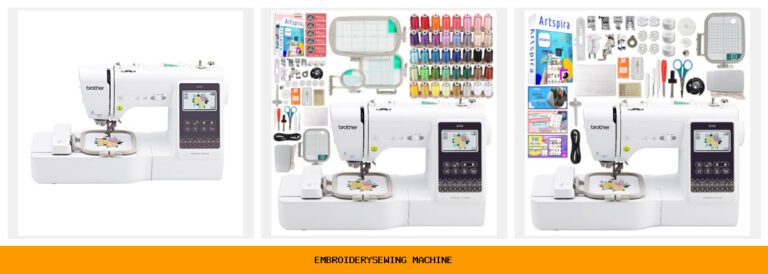
Sewing machines have revolutionized the way we create, repair, and customize fabric items. Whether you’re a seasoned seamstress or a beginner eager to learn, understanding the components of a sewing machine is essential to make the most of this versatile tool. Each part of the sewing machine plays a critical role in how it functions, influencing everything from stitch quality to ease of use. In this article, we will explore the key components of a sewing machine, their functions, and tips for maintaining them to ensure long-lasting performance.
Table of Contents
- Basic Components of a Sewing Machine
- Mechanical Parts
- Electronic Components
- Sewing Machine Accessories
- Maintaining Your Sewing Machine
- Frequently Asked Questions
Basic Components of a Sewing Machine
A sewing machine consists of various components that work together to create stitches. Below are the primary parts that you will encounter:
| Component | Function |
|---|---|
| Needle | Creates stitches by passing through the fabric. |
| Bobbin | Holds the lower thread that forms the stitch. |
| Feed Dogs | Moves the fabric under the needle as you sew. |
| Presser Foot | Holds the fabric in place while sewing. |
| Stitch Selector | Allows you to choose different stitch types and lengths. |
Mechanical Parts
Mechanical sewing machines, as the name suggests, use mechanical parts to perform sewing tasks. Understanding these parts is crucial for effective machine operation.
1. Needle and Needle Plate
The needle is one of the most vital components of a sewing machine. It comes in various sizes and types, depending on the fabric you are working with. The needle plate is situated under the needle and has an opening for the needle to pass through. It helps guide the fabric and ensures accurate stitching.
2. Bobbin and Bobbin Case
The bobbin is a small spool that holds the lower thread of the sewing machine. The bobbin case is where the bobbin is placed and secured. Proper threading of the bobbin is essential for creating balanced stitches.
3. Feed Dogs
Feed dogs are small metal bars with teeth that move the fabric forward during sewing. Their movement is controlled by the sewing machine’s mechanism, allowing you to sew at different speeds and with various stitch lengths.
4. Presser Foot
The presser foot is a crucial component that holds the fabric in place while you sew. Different types of presser feet are available for various sewing techniques, including zipper insertion, buttonholes, and quilting.
Electronic Components
Modern sewing machines often feature electronic components that enhance functionality and ease of use. Understanding these parts can help you navigate more advanced sewing techniques.
1. Motor
The motor powers the sewing machine, driving the needle and feed dogs. The strength and speed of the motor can vary based on the machine’s design, influencing how quickly you can sew.
2. Control Panel
The control panel allows you to select stitch types, adjust stitch length and width, and set other machine parameters. Some machines come with computerized panels, making it easy to choose from a wide variety of stitches.
3. Light Source
Many sewing machines are equipped with built-in lights that illuminate the sewing area. This feature is particularly beneficial when working with dark fabrics or in low-light conditions.
4. Thread Tension Dial
The thread tension dial allows you to adjust the tension of the upper thread. Proper tension is crucial for achieving balanced stitches, preventing puckering or thread breakage.
Sewing Machine Accessories
In addition to the core components, various accessories can enhance your sewing capabilities. Here are some essential accessories every sewer should consider:
1. Sewing Machine Feet
Aside from the standard presser foot, there are various specialized sewing machine feet, including:
- Zipper foot
- Buttonhole foot
- Walking foot
- Quilting foot
2. Needles
Investing in a variety of needles tailored for different fabrics will improve your sewing quality. Some common types include:
- Universal needles
- Ballpoint needles (for knits)
- Sharps needles (for lightweight fabrics)
3. Thread
Choosing the right thread for your project is essential. Threads come in various materials, including cotton, polyester, and specialty threads like embroidery thread.
4. Cutting Tools
Quality scissors and rotary cutters are essential for cutting fabric accurately. Consider investing in a cutting mat to protect your work surface.
Maintaining Your Sewing Machine
Regular maintenance is crucial for ensuring your sewing machine remains in optimal working condition. Here are some tips for keeping your machine clean and functioning well:
1. Cleaning
Dust and lint can accumulate in your machine over time. Regularly clean the needle area, bobbin case, and feed dogs using a soft brush or vacuum attachment.
2. Oiling
Depending on your machine model, it may require periodic oiling to keep the moving parts lubricated. Always refer to your machine’s manual for specific instructions on where to apply oil.
3. Tension Adjustment
If you notice issues with stitching quality, check the thread tension. Adjust the tension dial as needed, and test on a scrap piece of fabric before starting your project.
4. Professional Servicing
Consider taking your sewing machine to a professional for servicing every one to two years. A professional can identify and resolve issues you may not notice.
Frequently Asked Questions
A: Common issues include thread jams, tension problems, and skipped stitches. Regular maintenance and proper threading can often resolve these issues.
A: Consider factors such as your sewing experience, the types of projects you plan to undertake, and whether you prefer mechanical or computerized machines.
A: It’s recommended to service your machine every one to two years, or more frequently if you sew regularly.
A: It’s essential to use the right type of thread for your specific sewing machine and fabric type to achieve the best results.
Conclusion
Understanding the components of a sewing machine is fundamental to mastering the art of sewing. From the basic mechanical parts to the more advanced electronic features, each component plays a vital role in creating beautiful and functional pieces. By familiarizing yourself with these components and maintaining your machine properly, you can enhance your sewing skills and enjoy a more fulfilling experience. For those interested in embroidery, consider exploring options like the Janome Embroidery Machine 550e or checking out our review on the professional embroidery machine. With the right tools and knowledge, the world of sewing is at your fingertips!