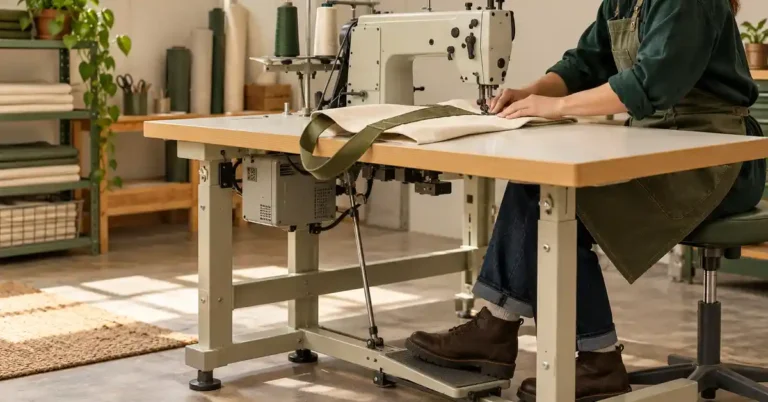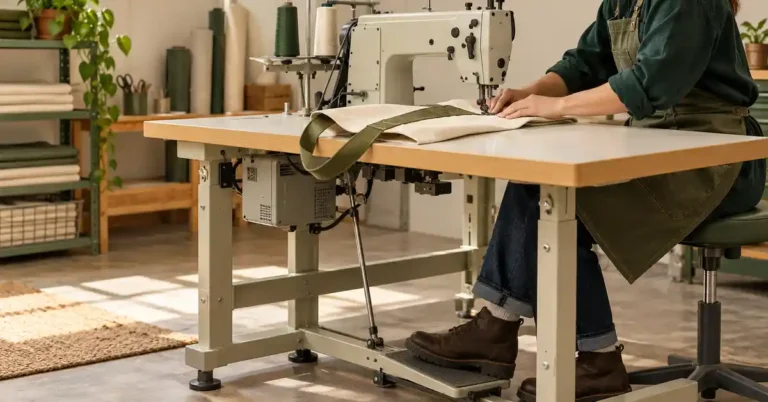

Sewing machines have revolutionized the way we create and mend our fabrics. Among the myriad of options available, the sewing machine with a double needle stands out for its unique ability to produce professional-looking finishes with ease. Whether you’re a seasoned seamstress or just starting your sewing journey, understanding the advantages and practical uses of a double needle sewing machine can elevate your projects to new heights. In this article, we will delve into the features, benefits, and tips for using a sewing machine with a double needle, ensuring you’re well-equipped to add this tool to your sewing arsenal.
What is a Double Needle Sewing Machine?
A double needle sewing machine is a standard sewing machine equipped to hold two needles simultaneously. This innovative feature allows for two rows of stitching to be created in a single pass, effectively saving time while achieving stunning results. Double needles can be used with various stitch types, most commonly straight and zig-zag stitches, making them versatile tools for a variety of sewing applications.
Benefits of Using a Double Needle
There are numerous benefits to using a sewing machine with a double needle, which can greatly enhance your sewing experience:
1. Enhanced Stitching Options
With a double needle, you can easily create decorative hems and unique stitch patterns that are difficult to replicate with a single needle. This feature is especially advantageous for adding flair to garments, quilts, and other fabric projects.
2. Time Efficiency
Using a double needle allows you to sew two lines of stitching at once, which can significantly reduce the time spent on tasks such as hemming. This efficiency is particularly beneficial for those working on multiple projects or garments.
3. Professional Finish
The parallel stitching produced by a double needle sewing machine creates a clean, professional look that can elevate the quality of your work. Whether you’re sewing knits or wovens, this feature ensures a polished finish.
4. Versatility
Double needles can be used with various fabrics, from lightweight cotton to heavier materials like denim. This versatility makes them an essential tool for any sewing enthusiast.
Types of Double Needles
When it comes to double needles, they come in various types, each designed for specific purposes:
1. Universal Double Needles
These needles are the most commonly used and are suitable for a wide range of fabrics. They are ideal for general sewing tasks, including quilting and clothing construction.
2. Stretch Double Needles
Designed specifically for knit fabrics, stretch double needles allow for greater flexibility and prevent skipped stitches. They are perfect for sewing stretchy materials like jerseys and spandex.
3. Twin Needles
Twin needles feature two needles attached to a single shank and are great for creating decorative stitches and hems, as they provide two lines of stitching in one pass.
4. Triple Needles
For those looking to make an even bolder statement, triple needles allow for three lines of stitching, perfect for decorative effects on quilts and garments.
How to Use a Double Needle Sewing Machine
Using a double needle is straightforward, but a few key steps must be followed to ensure successful results:
1. Choose the Right Needle
Select a double needle that suits your fabric type and desired stitch width. For instance, a 2.0mm needle is ideal for lightweight fabrics, while a 4.0mm needle works better for heavier materials.
2. Prepare Your Machine
Remove the existing needle and insert the double needle into the machine’s needle clamp. Ensure both needles are threaded properly, with each thread coming from its own spool. This can be done by using two spools or a thread guide.
3. Adjust Your Machine Settings
Set your sewing machine to the appropriate stitch type and length. A straight stitch is commonly used, but you can also experiment with zig-zag stitches for added decorative effects.
4. Test Your Stitching
Before starting your project, it’s wise to test your stitching on a scrap piece of fabric. This will help you adjust settings and ensure that your tension is correct.
5. Start Sewing
Begin sewing your project, guiding the fabric gently to ensure even stitching. Take your time, especially if you are working on intricate designs or patterns.
Projects to Try with a Double Needle
The versatility of a double needle means you can use it for a wide range of projects. Here are a few ideas to inspire your creativity:
| Project | Description |
|---|---|
| Decorative Hems | Create beautiful hems on skirts, dresses, and shirts with parallel stitching. |
| Quilting | Use a double needle to add decorative stitching to quilt layers, enhancing both design and durability. |
| T-Shirt Making | Perfect for sewing knits, a double needle can help create professional-looking seams on t-shirts and sweatshirts. |
| Home Decor | Use a double needle to add decorative touches to pillow covers, table runners, or curtains. |
Maintenance Tips for Your Sewing Machine
To keep your sewing machine in optimal condition, especially when using a double needle, follow these maintenance tips:
1. Regular Cleaning
Dust and lint can accumulate in your sewing machine, affecting performance. Clean the machine regularly, focusing on the bobbin area and feed dogs.
2. Check Needle Condition
Always use a sharp, undamaged needle for your projects. A dull or bent needle can cause skipped stitches and fabric damage.
3. Oil Your Machine
Consult your manufacturer’s instructions on how often to oil your machine. Proper lubrication helps keep moving parts functioning smoothly.
4. Store Properly
When not in use, cover your sewing machine to protect it from dust and debris. Consider using a dedicated sewing machine cover for added protection.
A: Most modern sewing machines can accommodate double needles, but it’s essential to check your machine’s manual for compatibility and instructions.
A: It’s best to use the same type of thread for both needles. For decorative stitches, consider using specialty threads that enhance the design.
A: While it may feel different at first, sewing with a double needle is relatively straightforward. With practice, you’ll find it enhances your sewing capabilities.
FAQ
A: Yes! A double needle is excellent for decorative stitches, allowing you to create beautiful designs on fabric.
A: Select a needle size based on your fabric type; lighter fabrics work well with smaller needles, while heavier fabrics may require larger sizes.
A: Yes, using a double needle may require slight adjustments to your tension settings to achieve optimal stitch quality. Always test on scrap fabric first.
In conclusion, a sewing machine with a double needle can significantly enhance your sewing experience. With its ability to produce professional-quality finishes and decorative details, it is a versatile tool that can tackle a wide range of projects. Whether you’re creating stunning beaded embroidery dresses or looking to unlock your creativity with French knot embroidery patterns, incorporating a double needle into your sewing routine will undoubtedly elevate your craft. So why not explore the possibilities and take your sewing projects to the next level?
For more sewing inspiration and supplies, consider checking out these links: