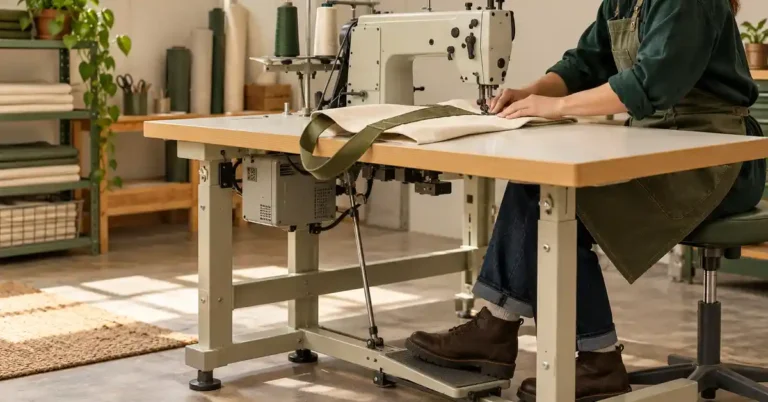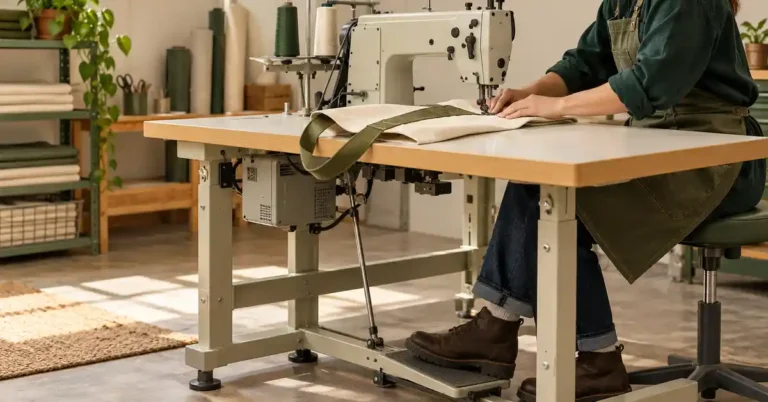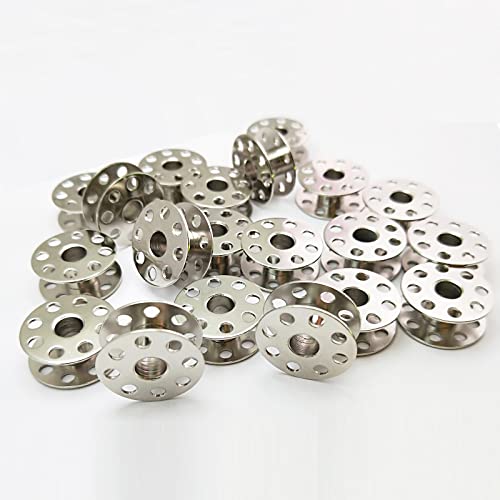

The world of sewing and embroidery is vast and filled with options, but few machines stand out like the DDL 5550 Juki Sewing Machine. This industrial-grade machine has garnered attention from hobbyists and professionals alike, thanks to its reliability, speed, and efficiency. Whether you’re looking to tackle heavy fabrics or intricate embroidery designs, the DDL 5550 Juki can deliver impressive results. In this article, we will explore the features, benefits, and best practices when using the DDL 5550, as well as tips for maintenance and troubleshooting. Let’s dive into the world of this remarkable sewing machine!
Features of the DDL 5550 Juki Sewing Machine
The DDL 5550 is packed with features designed for efficiency and ease of use. Here are some of its standout attributes:
1. High-Speed Stitching
One of the most impressive features of the DDL 5550 is its ability to sew at speeds of up to 5,500 stitches per minute. This makes it ideal for large projects or for those who need to complete sewing tasks quickly.
2. Robust Construction
Constructed from high-quality materials, the DDL 5550 is built to last. Its durable frame and components ensure that it can handle heavy fabrics, making it suitable for various sewing applications, from clothing to upholstery.
3. Automatic Lubrication System
This machine comes equipped with an automatic lubrication system, which helps maintain optimal performance and reduces the need for manual oiling. This feature is crucial for long-term reliability.
4. Easy Threading System
The DDL 5550 features a simplified threading system, allowing users to thread the machine quickly and efficiently. This is especially beneficial for those who may be new to sewing or for those who frequently change threads.
5. Adjustable Stitch Length
With adjustable stitch length, users can customize their stitching to suit different projects. This flexibility is particularly useful for sewing delicate fabrics or for achieving specific design elements.
Benefits of Using the DDL 5550
Investing in a DDL 5550 Juki Sewing Machine comes with numerous advantages. Here are some of the most notable benefits:
1. Increased Productivity
Thanks to its high-speed capabilities, the DDL 5550 can significantly increase productivity for sewists. Whether you’re working on a small project or a larger production run, this machine allows you to complete tasks in record time.
2. Versatility
This machine is versatile enough to handle a wide range of sewing tasks, making it suitable for both home and commercial use. From quilting to garment construction, the DDL 5550 can do it all.
3. Cost-Effective
While the initial investment might be higher than entry-level machines, the DDL 5550’s durability and efficiency can save you money in the long run. Fewer repairs and replacements mean more savings.
4. User-Friendly
Designed with ease of use in mind, even those new to sewing will find the DDL 5550 manageable. Its intuitive controls and features make it accessible for all skill levels.
5. Quality Stitching
The precision engineering of the DDL 5550 ensures consistent stitching quality, which is essential for professional results. Whether you’re sewing clothing or decorative pieces, you can expect clean and even stitches every time.
Maintenance Tips for Longevity
1. Regular Cleaning
Dust and lint can accumulate in the machine, affecting its performance. Clean the machine regularly, especially around the feed dogs and bobbin area, using a soft brush or compressed air.
2. Oil the Machine
While the automatic lubrication system reduces the need for manual oiling, it’s still important to check oil levels regularly. If oil is low, add a few drops of sewing machine oil to the designated areas.
3. Check the Needle
Always use the appropriate needle for your project and replace it regularly. A bent or dull needle can cause stitching issues and may even damage the fabric.
4. Store Properly
When not in use, cover your machine to protect it from dust and debris. Store it in a cool, dry place to avoid moisture damage.
5. Professional Servicing
Consider scheduling professional servicing annually to ensure your machine is in optimal condition. A technician can address any issues that may not be visible to the user.
Common Troubleshooting Issues
Even the best machines can experience issues from time to time. Here are some common problems and how to troubleshoot them:
1. Thread Bunching
If you notice thread bunching or tangling, check the following:
- Ensure the thread is correctly threaded through the machine.
- Check the tension settings, which may need adjustment.
- Replace the needle if it’s dull or damaged.
2. Skipped Stitches
Skipped stitches can be frustrating, but they can often be resolved by:
- Using the correct needle for your fabric type.
- Adjusting the tension settings.
- Cleaning the machine to remove any lint or debris affecting the feed dogs.
3. Fabric Not Feeding Properly
If your fabric isn’t feeding through the machine smoothly, try the following:
- Check the presser foot pressure and adjust if necessary.
- Ensure the feed dogs are up and functioning correctly.
- Use the appropriate foot for the fabric type.
4. Uneven Stitching
Uneven stitching can be caused by several factors, including:
- Incorrect tension settings.
- A bent or damaged needle.
- Inconsistent fabric feeding.
5. Machine Won’t Start
If your machine won’t turn on, check the following:
- Ensure it is plugged in and the power source is functioning.
- Check the foot pedal connections.
- Look for any blown fuses or tripped circuit breakers.
A: The DDL 5550 is versatile and can handle a variety of fabrics, including denim, canvas, and lightweight materials, making it suitable for different sewing projects.
A: Yes, the DDL 5550 can be used for quilting, especially for projects that require high-speed stitching and the ability to handle multiple layers of fabric.
A: It is recommended to have your machine serviced annually, although this may vary depending on usage. Regular cleaning and maintenance can also help extend its lifespan.
Frequently Asked Questions
Here are some additional questions often asked by users of the DDL 5550 Juki Sewing Machine:
A: The DDL 5550 is primarily a sewing machine. For embroidery, you might want to look into a dedicated embroidery machine or use it in conjunction with an embroidery attachment.
A: Warranty periods can vary by retailer, but typically, Juki offers a limited warranty that covers manufacturing defects for a specified time. Always check with your retailer for specific details.
A: Practice is key! Consider taking classes, watching tutorials, or experimenting with different fabrics and techniques to enhance your skills. You can also explore creative projects like hand embroidery designs on jeans or in-the-hoop designs to add unique touches to your work.
In conclusion, the DDL 5550 Juki Sewing Machine is a powerful, versatile tool that can elevate your sewing and embroidery projects. With its high-speed capabilities, robust construction, and user-friendly features, it is well-suited for both beginners and seasoned professionals. By following proper maintenance practices and knowing how to troubleshoot common issues, you can ensure that your DDL 5550 remains a reliable companion in your sewing journey. Don’t forget to explore additional resources such as beautiful embroidery designs for towels or metallic threads for stunning embroidery to complement your projects. Happy sewing!