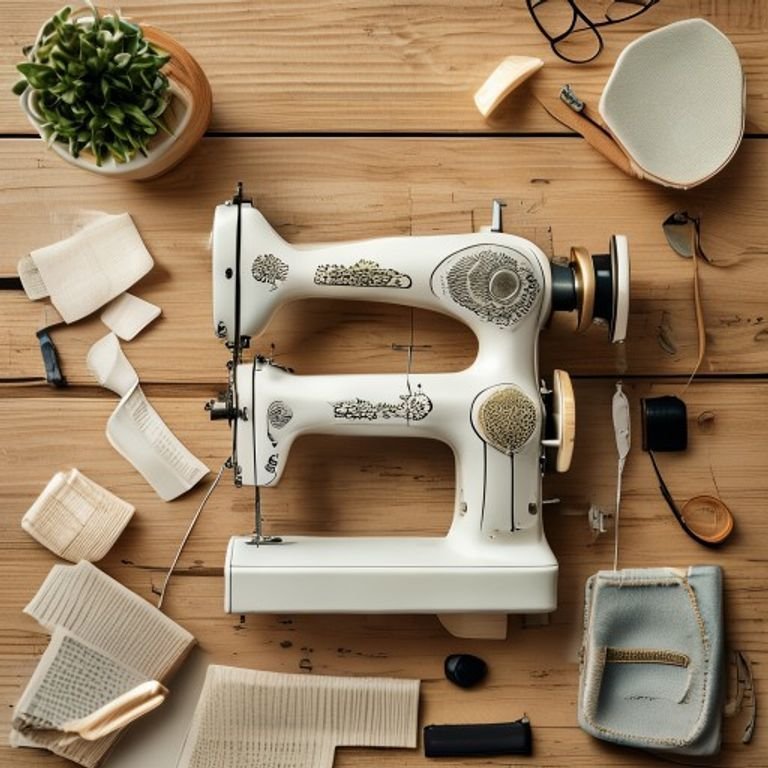

Sewing is an art that combines creativity and precision, and understanding the different types of stitches on a sewing machine can greatly enhance your sewing skills. Whether you are a beginner or a seasoned pro, knowing which stitch to use for various projects is essential for achieving the best results. From basic straight stitches to intricate decorative stitches, each type has its unique applications and advantages. In this article, we will explore the various types of stitches available on sewing machines, how to use them effectively, and tips for achieving professional-looking results.
Table of Contents
- Basic Stitches
- Decorative Stitches
- Utility Stitches
- Specialty Stitches
- Choosing the Right Stitch
- Care and Maintenance
- FAQ
Basic Stitches
Basic stitches are foundational stitches that every sewer should master. They include:
Straight Stitch
The straight stitch is the most commonly used stitch in sewing. It creates a straight line and is perfect for seams and hems.
Zigzag Stitch
The zigzag stitch is versatile and is used for finishing edges to prevent fraying. It can also be employed for stretch fabrics.
Backstitch
The backstitch is used to reinforce seams by sewing backward before proceeding forward. This technique adds durability to your projects.
Decorative Stitches
Decorative stitches can add flair to your sewing projects, making them more visually appealing.
Appliqué Stitch
This stitch is used to attach one piece of fabric to another, creating decorative designs on clothing or quilts.
Shell Stitch
The shell stitch creates a wave-like pattern and is often used for embellishing edges on garments or home decor items.
Embroidery Stitch
Embroidery stitches can be used for embellishing fabric with intricate designs. Some sewing machines come with pre-programmed embroidery stitches.
Utility Stitches
Utility stitches are functional stitches designed for specific sewing needs.
Overlock Stitch
The overlock stitch is ideal for finishing seams on knit fabrics. It encases the raw edge and provides stretch, preventing fabric from fraying.
Blind Hem Stitch
This stitch is used for hemming garments discreetly. It allows the hem to be almost invisible from the front of the fabric.
Buttonhole Stitch
The buttonhole stitch creates a reinforced hole for buttons, ensuring durability and preventing fraying.
| Utility Stitch | Best Used For |
|---|---|
| Overlock Stitch | Finishing seams on knit fabrics |
| Blind Hem Stitch | Hemming garments discreetly |
| Buttonhole Stitch | Creating reinforced holes for buttons |
Specialty Stitches
Specialty stitches serve unique functions and can elevate your sewing projects:
Quilting Stitch
The quilting stitch is designed for quilting layers of fabric together and can be decorative as well as functional.
Stretch Stitch
This stitch is designed for sewing stretchy fabrics, allowing for movement without breaking the thread.
Gathering Stitch
The gathering stitch is used to create ruffles or pleats by pulling the thread to gather the fabric.
Choosing the Right Stitch
Knowing which stitch to use for different projects can greatly enhance your sewing experience.
- For standard seams, stick with the straight stitch.
- Use zigzag stitches for stretch fabrics and finishing edges.
- For decorative purposes, explore various embroidery and applique stitches.
- For utility, consider overlock and blind hem stitches as they serve practical purposes.
Care and Maintenance
To ensure your sewing machine operates smoothly and the stitches look great, regular maintenance is crucial. Here are some care tips:
- Clean the machine regularly to remove lint and dust.
- Change the needle frequently, especially when working with different fabric types.
- Use the appropriate thread for your projects to avoid breakage and tension issues.
FAQ
A: The zigzag stitch or the stretch stitch is recommended for sewing knits as they accommodate the fabric’s stretch.
A: Try using different colored threads, experimenting with decorative stitches, and adding embellishments like beads or sequins.
A: Uneven stitches can be a sign of incorrect tension settings, a dull needle, or improper threading. Check these factors and make adjustments as needed.
In conclusion, mastering the different types of stitches on a sewing machine opens up a world of creative possibilities. From basic stitches that form the foundation of your sewing projects to decorative and specialty stitches that add flair and functionality, each type plays a significant role in achieving professional-looking results. Remember to choose the right stitch for your fabric and project needs, maintain your sewing machine properly, and don’t hesitate to experiment with new techniques. Happy sewing!