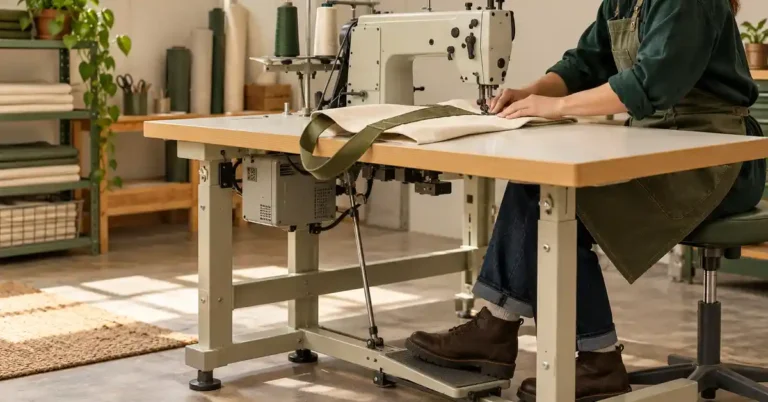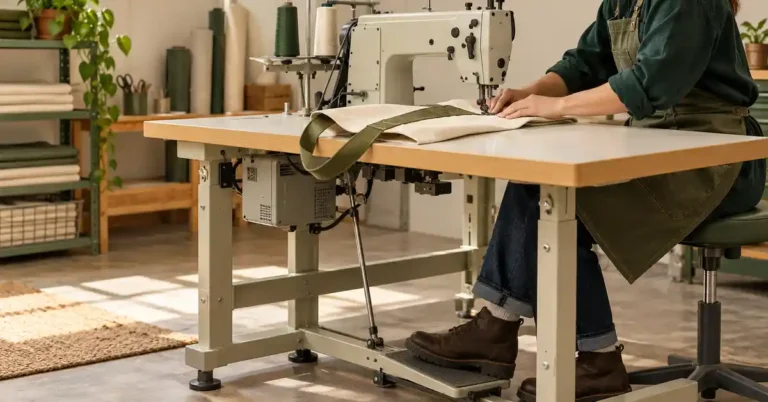

The Morse 4300 sewing machine is a versatile and reliable choice for both beginners and seasoned sewing enthusiasts. With its user-friendly design and a range of features that cater to various sewing needs, it stands out as a practical tool for creating everything from simple repairs to complex projects. Whether you’re looking to stitch clothing, craft home decor, or explore the world of embroidery, the Morse 4300 offers the functionality you need to achieve your creative visions.
Key Features of the Morse 4300 Sewing Machine
The Morse 4300 sewing machine is packed with features that make sewing an enjoyable experience. Here’s a closer look at what it offers:
Stitch Options
The Morse 4300 comes with a variety of built-in stitches, including straight, zigzag, and decorative stitches. This versatility allows users to tackle different projects with ease.
| Stitch Type | Uses |
|---|---|
| Straight Stitch | Basic seams and hems |
| Zigzag Stitch | Finishing edges and stretch fabrics |
| Decorative Stitches | Embroidery and embellishments |
Automatic Needle Threader
This feature simplifies the threading process, saving you time and reducing frustration, especially for beginners.
Adjustable Stitch Length and Width
The Morse 4300 allows you to customize stitch length and width, giving you greater control over your sewing projects.
Lightweight and Portable
Weighing in at a manageable size, the Morse 4300 is easy to transport, making it an ideal choice for classes or sewing groups.
Setting Up Your Morse 4300
Getting started with your Morse 4300 sewing machine is straightforward. Here’s how to set it up effectively:
Unboxing and Initial Setup
Carefully unbox your machine, ensuring all components are included. Typically, you will find:
- The sewing machine
- Foot pedal
- Power cord
- Accessory kit (needles, bobbins, etc.)
Plugging In
Connect the power cord to the machine and plug it into a suitable electrical outlet. Make sure to use a surge protector if possible to avoid damage.
Threading the Machine
Follow the threading diagram located on the machine body for accurate threading. Start by placing the spool on the spool pin, then thread through the tension discs and guide before inserting it into the needle.
Sewing with the Morse 4300
Now that your Morse 4300 is set up, it’s time to start sewing. Here are some essential tips and techniques to help you get the most out of your machine:
Selecting the Right Foot
The Morse 4300 is compatible with various presser feet for different sewing tasks. Ensure you select the appropriate foot for your project, whether it’s a zipper foot, walking foot, or standard foot.
Understanding Tension Settings
Proper tension is crucial for achieving high-quality stitches. Adjust the tension dial based on the fabric thickness and type. Generally, lighter fabrics require less tension, while heavier fabrics need more.
Practicing Stitching Techniques
Before diving into a project, practice on scrap fabric. This will help you get a feel for the machine and make any necessary adjustments to stitch settings.
Maintenance Tips for Longevity
Cleaning the Machine
Dust and lint can accumulate in your machine over time. Use a soft brush to clean the feed dogs and bobbin area regularly. Make it a habit to clean after every few sewing sessions.
Oil Your Machine
Follow the manufacturer’s instructions for oiling your machine. Proper lubrication will keep the internal components functioning smoothly and reduce wear and tear.
Check the Needle Regularly
A dull or bent needle can cause stitching problems. Change your needle every 8-10 hours of sewing or whenever you notice any inconsistencies in stitching.
Troubleshooting Common Issues
Even with regular maintenance, you may encounter some issues with your Morse 4300 sewing machine. Here’s how to troubleshoot common problems:
Skipped Stitches
If your sewing machine is skipping stitches, check the following:
- Is the needle inserted correctly?
- Is the needle dull or damaged?
- Is the tension set correctly?
Thread Bunching
Thread bunching can occur due to improper threading or incorrect tension. Re-thread your machine and adjust the tension as needed.
Machine Not Sewing
If your machine isn’t sewing at all, ensure that:
- The foot pedal is connected and functioning
- The machine is powered on
- There is thread in the bobbin and upper thread paths
A: Yes, while the Morse 4300 is primarily a sewing machine, it can handle basic embroidery stitching. However, for more advanced embroidery designs, consider investing in a dedicated embroidery machine.
A: The Morse 4300 is suitable for a wide range of fabrics, including cotton, denim, and lightweight knits. Ensure you select the appropriate needle type for each fabric.
A: It is recommended to service your sewing machine at least once a year, or more frequently if you sew regularly. Regular cleaning and maintenance can reduce the need for professional servicing.
Frequently Asked Questions
A: Absolutely! The Morse 4300 is designed with beginners in mind, featuring easy-to-follow instructions and user-friendly features.
A: The Morse 4300 typically comes with a standard foot, zipper foot, buttonhole foot, and a variety of needles and bobbins.
A: Yes, you can use specialty threads as long as they are compatible with the machine. Always check the thickness and type of thread before using it.
In conclusion, the Morse 4300 sewing machine is an excellent addition to any sewing enthusiast’s toolkit. Its user-friendly features, diverse stitch options, and durable build make it suitable for a wide range of projects, from simple mending to intricate embroidery work. Regular maintenance and troubleshooting can keep your machine in top condition, ensuring that you can enjoy your sewing journey for years to come. For those looking to expand their sewing and embroidery capabilities, consider exploring options like the Easy-to-Use Sinsim Embroidery Machine for Beginners or the Best Single Needle Embroidery Machine for Beginners Review 2026. With the right tools, your creative possibilities are endless!