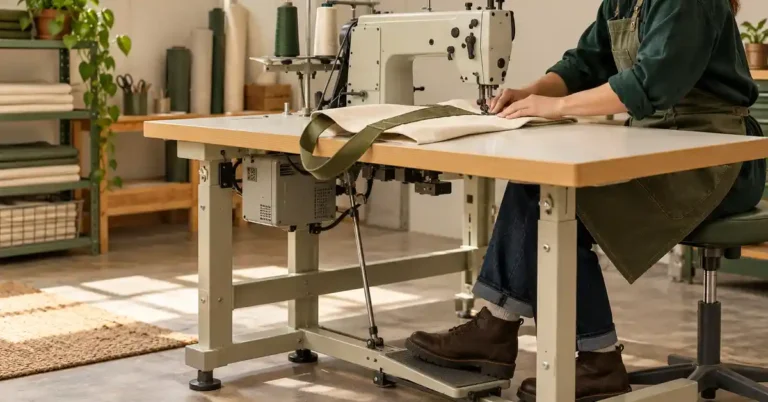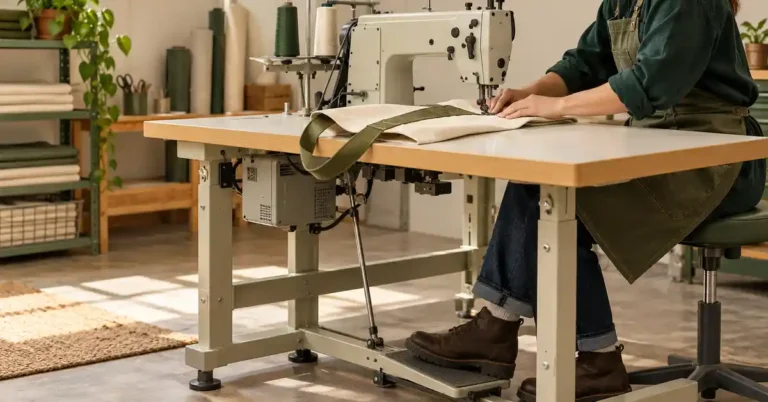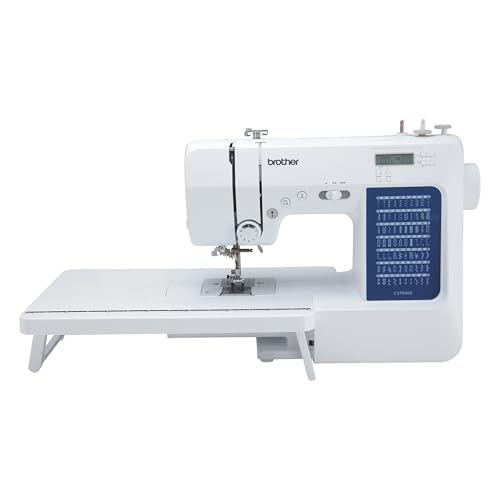
Sewing machine quilt patterns have become a staple in the quilting community, allowing both novice and experienced quilters to create beautiful and intricate designs with relative ease. The advent of computerized sewing machines has further revolutionized the quilting process, enabling precision and creativity that were previously difficult to achieve. Whether you are looking to make a cozy quilt for your home or a unique gift for a loved one, understanding how to choose and execute sewing machine quilt patterns can elevate your quilting experience. In this article, we will delve into various types of quilt patterns, tips for choosing the right one, and the best practices for sewing machine quilting.
Types of Quilt Patterns
When it comes to sewing machine quilt patterns, the options are virtually limitless. Here are some popular types of quilt patterns you might consider:
Traditional Patterns
These include classic designs such as the Log Cabin, Nine Patch, and Flying Geese. Traditional patterns often have historical significance and can be adapted to various fabric choices.
Modern Patterns
Modern quilt patterns typically feature bold colors, graphic designs, and minimalistic aesthetics. They have gained popularity for their unique approach to quilting, focusing on creativity and personal expression.
Seasonal Patterns
These patterns are designed with specific holidays or seasons in mind, such as Christmas quilts or autumn-themed designs. They can add a festive touch to your home decor.
Custom Patterns
For those looking to create something truly unique, custom quilt patterns can be made using software or by hand. This allows for a personalized touch that reflects individual tastes and styles.
Choosing the Right Quilt Pattern
Selecting the right sewing machine quilt pattern can significantly influence your quilting experience. Consider the following factors when making your choice:
Skill Level
Assess your quilting skills honestly. Beginners may want to opt for simpler patterns that require fewer pieces and less intricate sewing techniques.
Project Purpose
Think about why you are making the quilt. Is it for a gift, a personal project, or a decorative piece? The purpose can guide your choice of pattern and fabric.
Fabric Selection
Your fabric choices can also dictate which patterns will work best. Some patterns work better with specific types of fabrics, so make sure to consider this when selecting your quilt pattern.
Essential Tools and Materials
Before you start sewing, ensure you have all the necessary tools and materials at your disposal. Here’s a list to get you started:
| Tool/Material | Purpose |
|---|---|
| Sewing Machine | Primary tool for sewing quilt pieces together. |
| Rotary Cutter | For cutting fabric pieces accurately. |
| Cutting Mat | Protects surfaces and allows for easy cutting. |
| Quilting Ruler | Helps in measuring and cutting fabric accurately. |
| Thread | Used for sewing fabric pieces together. |
| Iron and Ironing Board | For pressing seams and fabric pieces flat. |
Setting Up Your Sewing Machine
Proper setup of your sewing machine is crucial for a smooth quilting experience. Follow these steps to ensure your machine is ready:
Cleaning Your Machine
Before starting any quilting project, take the time to clean your sewing machine. Remove any lint and dust from the bobbin area and feed dogs.
Threading Your Machine
Make sure to thread your machine correctly, as improper threading can lead to tension issues and uneven stitches. Follow your machine’s manual for detailed instructions.
Choosing the Right Needle
Select a needle that is appropriate for the type of fabric you will be using. A universal needle is a good choice for most quilting projects, while specialty needles may be better for specific fabrics.
Quilting Techniques
Once your sewing machine is set up, it’s time to dive into the quilting techniques. Here are some essential methods to consider:
Piecing
Piecing involves sewing together fabric pieces to create the quilt top. Pay attention to seam allowances, as they can affect the overall size and fit of your quilt.
Quilting
This is the process of sewing the quilt top, batting, and backing together. You can choose from various quilting styles, including straight-line quilting, free-motion quilting, and stitch-in-the-ditch.
Binding
Binding is the finishing touch of your quilt. It involves sewing a strip of fabric around the edges to give it a clean and polished look. Make sure to choose a binding fabric that complements your quilt design.
Common Issues and Troubleshooting
Even the most experienced quilters encounter issues from time to time. Here are some common problems and solutions:
Uneven Stitches
If your stitches are uneven, check your threading and tension settings. Adjust them as needed, and make sure your fabric is feeding through the machine correctly.
Fabric Bunching
Fabric bunching can occur if you’re not guiding the fabric properly as you sew. Make sure to keep a gentle tension on the fabric and avoid pulling it through the machine.
Needle Breakage
If your needle keeps breaking, it might be the wrong type for your fabric or your machine may be incorrectly threaded. Replace the needle and double-check the threading instructions.
A: A sewing machine with a larger throat space and a walking foot attachment is generally best for quilting, as it allows for easier handling of multiple layers of fabric.
A: The time it takes to complete a quilt varies widely depending on the complexity of the pattern, your skill level, and the amount of time you can dedicate to the project. Simple quilts can take a few hours, while more complex designs may take several days or weeks.
A: Yes, you can use a regular sewing machine for quilting, but a machine designed for quilting will make the process easier and more efficient.
Frequently Asked Questions
A: Cotton fabric is the most popular choice for quilting due to its durability, ease of use, and availability in various colors and patterns.
A: To avoid puckering, ensure that your fabric is properly pressed, maintain consistent seam allowances, and use the correct tension settings on your sewing machine.
Conclusion
Creating a quilt using sewing machine quilt patterns can be a rewarding and enjoyable experience. With a variety of patterns to choose from, the right tools and materials, and a solid understanding of sewing techniques, you can craft beautiful quilts that showcase your creativity. Whether you’re a beginner or a seasoned quilter, remember to take your time, practice your techniques, and most importantly, enjoy the process. For more insights into sewing and embroidery, consider exploring topics like Top Cap Embroidery Machine Reviews, embroidery machine stabilizers, or even the differences between cross stitch and embroidery. Happy quilting!