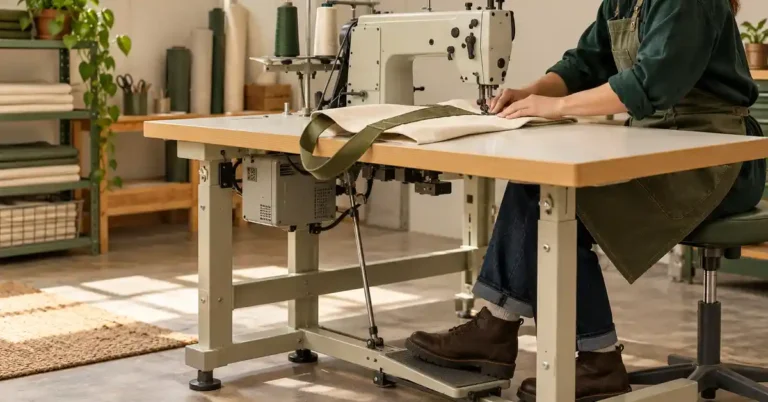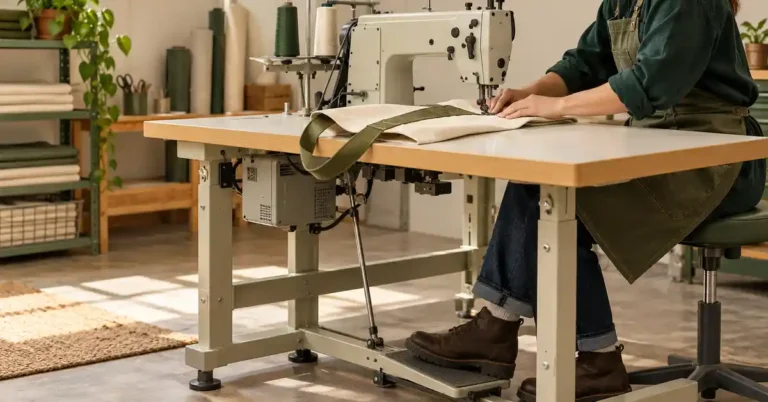
As the world of sewing continues to evolve with modern technology, the classic electric old Singer sewing machine remains a treasured tool for many enthusiasts and professionals alike. This iconic brand has been synonymous with quality sewing machines for over a century, and its electric models have revolutionized sewing by making it more accessible and efficient. Whether you are a seasoned seamstress or a beginner, understanding the features and benefits of the electric old Singer sewing machine can significantly enhance your sewing experience.
The History of Singer Sewing Machines
The Singer Company was founded in 1851 by Isaac Merritt Singer and has since become one of the most recognized names in the sewing industry. Originally known for its hand-crank sewing machines, Singer transitioned to electric models in the 1920s, introducing features that made sewing faster and more efficient. The electric old Singer sewing machine, characterized by its robust construction and user-friendly design, has retained its popularity over the decades.
Key Features of Electric Old Singer Sewing Machines
Electric old Singer sewing machines come with a variety of features that cater to different sewing needs. Here are some of the key features that make them a preferred choice:
Stitch Options
Many electric old Singer sewing machines offer a variety of stitch options, from straight and zigzag stitches to decorative and stretch stitches. This versatility allows users to tackle a wide range of sewing projects, from simple repairs to intricate embroidery.
Built-in Motor
The electric motor in these machines provides consistent power and speed, allowing for smoother sewing. This feature significantly reduces the effort needed to operate the machine compared to manual models.
Adjustable Speed Control
With adjustable speed control, users can tailor the machine’s speed to their comfort level and the complexity of their project. This is particularly beneficial for beginners who may need more time to navigate intricate patterns.
Durable Construction
Electric old Singer sewing machines are designed with durability in mind. Many models feature a metal frame that provides stability and longevity, making them a worthwhile investment for any sewing enthusiast.
Maintenance Tips for Your Singer Sewing Machine
To ensure your electric old Singer sewing machine operates smoothly, regular maintenance is crucial. Here are some essential maintenance tips:
Cleaning the Machine
Regularly clean your sewing machine to remove dust and lint that can accumulate in the moving parts. Use a soft brush to gently remove debris, and occasionally wipe down the exterior with a damp cloth.
Oiling the Machine
Refer to your model’s manual for specific oiling instructions, as different models may require different oiling points. Proper lubrication helps maintain the machine’s performance and prevents mechanical issues.
Checking the Needles
Using the correct needle for your fabric is vital. Regularly check the condition of your needles and replace them if they are bent or dull. This will help avoid fabric snags and ensure clean stitches.
Top Electric Old Singer Sewing Machine Models
When selecting an electric old Singer sewing machine, you may come across several models. Here are a few top choices that have garnered positive reviews from users:
| Model | Features | Best For |
|---|---|---|
| Singer 4423 | Heavy-duty, 23 stitch options, automatic needle threader | Heavy fabrics, beginners |
| Singer 9960 | 600 built-in stitches, LCD screen, automatic thread cutter | Advanced sewing projects, quilting |
| Singer Tradition 2277 | Simple interface, 23 stitch options, automatic 1-step buttonhole | Beginners, everyday sewing |
Troubleshooting Common Issues
Even the best sewing machines can encounter issues from time to time. Here are some common problems and their solutions:
Thread Bunching
Thread bunching can occur due to incorrect threading or using the wrong needle size. Re-thread your machine and ensure you are using the appropriate needle for your fabric.
Skipped Stitches
Skipped stitches are often caused by a dull needle or incorrect needle placement. Replace the needle and check its positioning in the machine.
Fabric Not Feeding
If the fabric is not feeding through the machine, check the feed dogs to ensure they are engaged. Additionally, make sure you are using the appropriate presser foot for your project.
A: Yes, many modern accessories are compatible with older models, but it’s essential to check the specifications to ensure a proper fit.
A: With proper maintenance, many Singer sewing machines can last for decades, making them a worthwhile investment.
A: While some parts may be harder to find, many replacement parts are still available through sewing machine retailers and online marketplaces.
Frequently Asked Questions
A: Store your machine in a cool, dry place, and cover it with a dust cover to protect it from dust and debris.
A: Yes, many electric old Singer models are designed to handle heavy fabrics, especially those labeled as heavy-duty.
A: Absolutely! Many models offer features that make them ideal for quilting, such as adjustable stitch lengths and walking feet.
In conclusion, the electric old Singer sewing machine is a classic tool that offers a blend of durability, versatility, and ease of use. From its rich history to its robust features, it remains a favorite among sewing enthusiasts. Whether you are a beginner or an experienced sewist, investing in an electric old Singer sewing machine can enhance your sewing projects and provide you with the reliability and support you need. If you’re considering diving deeper into sewing or embroidery, check out our reviews on embroidery machine techniques, the best sewing and embroidery machine, or explore options like the swing design embroidery machine for your next project!