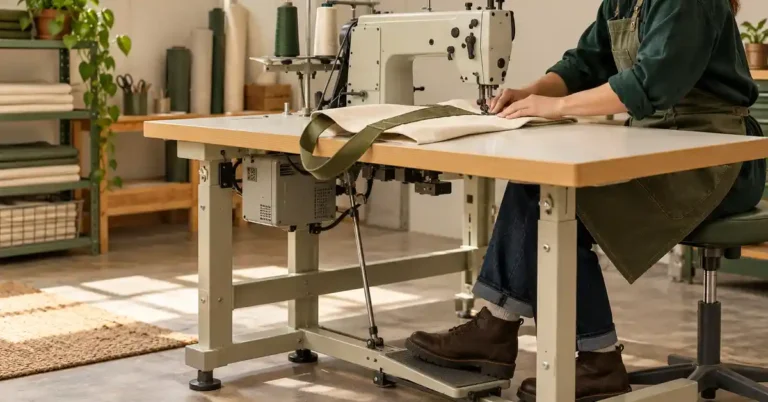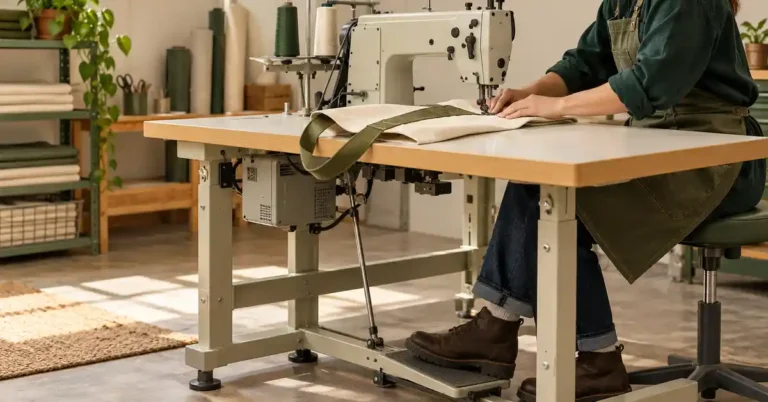
For many sewing enthusiasts, the sewing machine is an indispensable tool that brings creative visions to life. However, like any mechanical device, it can encounter issues that may require repair or maintenance. This is where a sewing machine repair class can come in handy. Not only can these classes provide you with the skills to troubleshoot common problems, but they also empower you to extend the life of your sewing machine. Whether you’re a beginner looking to gain confidence or an experienced sewer wishing to refine your skills, a sewing machine repair class offers valuable knowledge that can enhance your sewing projects.
Why Take a Sewing Machine Repair Class?
Understanding how your sewing machine works is crucial for any sewer. A sewing machine repair class can offer several benefits:
- Cost-Effective: Learning to repair your machine can save you from expensive repair fees.
- Skill Enhancement: You’ll gain hands-on experience that can improve your overall sewing skills.
- Confidence Boost: Knowing how to troubleshoot and fix common problems can increase your confidence in your sewing projects.
What to Expect in a Class
When enrolling in a sewing machine repair class, you can expect a curriculum that covers both theoretical and practical aspects. Here’s a breakdown of what you might learn:
Basic Anatomy of a Sewing Machine
Understanding the different parts of your sewing machine is essential. You’ll learn about:
- Needles
- Bobbins
- Tension mechanisms
- Feed dogs
Common Repairs
Classes often cover a range of typical issues, including:
- Thread jams and breaks
- Needle replacement
- Tension adjustments
- Timing issues
Maintenance Procedures
You will also learn how to maintain your machine for optimal performance, including:
- Cleaning and oiling
- Regular check-ups
- Storing your machine properly
Tools and Materials Needed
Before attending a sewing machine repair class, it’s helpful to gather some essential tools and materials:
| Tool/Material | Purpose |
|---|---|
| Screwdrivers | For opening and adjusting machine parts |
| Needle replacement kit | For changing needles in various sewing projects |
| Cleaning brush | For removing lint and debris |
| Oil | For lubricating moving parts |
Common Sewing Machine Issues
Even the best sewing machines can malfunction. Here are some common problems you might encounter:
Thread Bunching
This issue often occurs due to improper threading or tension problems. Make sure to check the threading and adjust the tension according to the fabric you’re using.
Skipped Stitches
Skipped stitches can result from a dull needle or incorrect needle size. Regularly replace your needles and ensure they are the right type for your fabric.
Machine Not Sewing
If your machine won’t sew, it could be due to a lack of power, a jammed bobbin, or a broken part. Always check for simple fixes before seeking professional help.
Maintenance Tips
Regular maintenance can prevent many of the common issues mentioned earlier. Here are some key maintenance tips:
- Regular Cleaning: Remove lint and debris after every few sewing sessions. A cleaning brush is invaluable for this task.
- Lubrication: Oil your machine according to the manufacturer’s instructions to keep moving parts functioning smoothly.
- Check Tension: Regularly check and adjust the tension settings based on the fabric being used.
Choosing the Right Class
With many sewing machine repair classes available, selecting the right one can be overwhelming. Here are some factors to consider:
Instructor Experience
Look for classes taught by experienced instructors who have a strong background in sewing machine repair. Their expertise can provide invaluable insights.
Class Size
Smaller class sizes often allow for more personalized attention and hands-on learning opportunities, making it easier to grasp complex concepts.
Course Content
Review the syllabus to ensure it covers the topics you’re interested in, including both theoretical knowledge and practical skills.
Location and Format
Consider whether you prefer an in-person class or an online course. Each format has its advantages, depending on your learning style and availability.
FAQ
A: While basic sewing knowledge can be helpful, many classes accommodate beginners. Check the class description for prerequisites.
A: Classes can range from a few hours to several weeks, depending on the depth of the material covered.
A: Most classes encourage students to bring their machines for hands-on learning, but be sure to confirm this with the instructor beforehand.
A: Many community centers and local organizations offer low-cost or even free classes. Look for resources in your area.
In conclusion, taking a sewing machine repair class can be a transformative experience for any sewing enthusiast. By understanding the mechanics of your machine and learning how to troubleshoot common issues, you can save money, extend the life of your equipment, and enhance your overall sewing capabilities. Whether you are interested in basic maintenance or more complex repairs, the skills you gain from such a class will undoubtedly enrich your sewing journey. Don’t forget to check out other resources and classes, including exploring topics like Magical Harry Potter Embroidery Designs Unveiled!, or consider reading our Review of the Best Home Use Embroidery Machine to further complement your sewing skills!