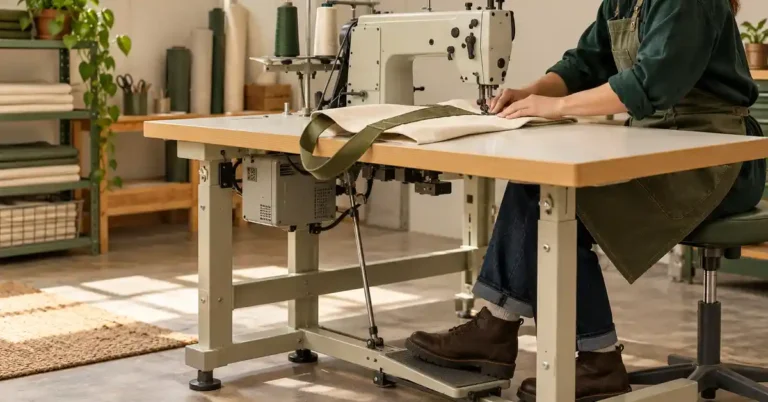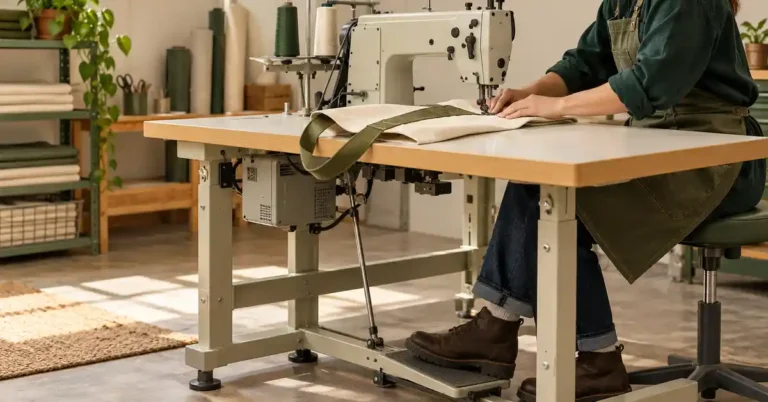
As the world of sewing and embroidery continues to grow, so does the importance of having well-functioning sewing machines. To maintain and repair these machines, a specialized skill set is required. This is where sewing machine repair training comes into play. This training not only equips individuals with the technical know-how to fix various sewing machine issues but also opens up a plethora of opportunities in the sewing and embroidery industry.
What is Sewing Machine Repair Training?
Sewing machine repair training is a specialized educational program designed to teach individuals the intricacies of maintaining and repairing sewing machines. This training typically covers various types of sewing machines, from basic models to advanced computerized versions, and includes hands-on practice, troubleshooting techniques, and comprehensive understanding of machine mechanics.
The Importance of Sewing Machine Repair Training
As sewing machines become more complex, the demand for skilled repair technicians has also increased. Here are some reasons why sewing machine repair training is crucial:
- Maintenance Skills: Regular maintenance can prolong the life of a sewing machine, making repair technicians essential for both home sewers and businesses.
- Job Opportunities: With the rise in demand for sewing machine repair, trained professionals can find job opportunities in fabric stores, sewing schools, and as independent contractors.
- Cost Efficiency: Learning to repair your own sewing machine can save money in the long run, as you won’t need to pay for professional repairs.
- Industry Knowledge: Understanding sewing machine mechanics can enhance your overall sewing skills, making you a more proficient seamstress or tailor.
Skills Acquired Through Sewing Machine Repair Training
Throughout sewing machine repair training, participants can expect to learn a variety of skills, including:
Mechanical Skills
Understanding the components of different types of sewing machines, including mechanical, electronic, and computerized models.
Troubleshooting Techniques
Learning how to diagnose common problems, such as thread tension issues, timing problems, or motor malfunctions, is crucial for effective repairs.
Maintenance Practices
Regular maintenance practices, such as cleaning, oiling, and replacing worn parts, are taught to ensure optimal machine performance.
Customer Service Skills
For those planning to work in a retail environment, customer service skills are essential to communicate effectively with clients about their sewing machine issues.
Where to Find Sewing Machine Repair Training
There are multiple avenues to pursue sewing machine repair training, including:
Vocational Schools
Many vocational schools offer dedicated programs in sewing machine repair as part of their sewing and textile curriculum.
Online Courses
Several online platforms provide courses that can be taken at your own pace, perfect for those with busy schedules.
Community Workshops
Local community centers or fabric stores often host workshops or classes focused on sewing machine maintenance and repair.
Manufacturer Training Programs
Some sewing machine manufacturers offer training for their specific models, which can be beneficial if you are looking to specialize.
| Training Type | Pros | Cons |
|---|---|---|
| Vocational Schools | Structured curriculum, hands-on training | May require full-time commitment |
| Online Courses | Flexible schedule, self-paced | Lack of hands-on experience |
| Community Workshops | Local and often affordable | Limited advanced training |
| Manufacturer Training | Specific knowledge for certain brands | Limited to one brand’s machines |
Cost and Time Commitment
The cost and time commitment for sewing machine repair training can vary significantly based on the type of program you choose:
- Vocational Schools: Typically range from $1,000 to $5,000 for a complete program, lasting several months to a year.
- Online Courses: Prices can range from $50 to several hundred dollars, depending on the course length and material.
- Community Workshops: Often more affordable, ranging from $20 to $200, depending on the duration and content.
- Manufacturer Training: Costs can vary widely, but many manufacturers offer free or low-cost training for authorized dealers.
Common Sewing Machine Repair Issues
Understanding common problems can help in both training and practical application. Here are some frequent issues that sewing machine repair technicians encounter:
Thread Tension Problems
Incorrect thread tension can lead to poor stitch quality. A technician should know how to adjust the tension settings on different machine models.
Needle Issues
Using the wrong needle size or type can cause skipping stitches or breaking thread. Training includes how to choose the right needle for the fabric type.
Bobbin Problems
Issues with the bobbin can lead to thread jams and uneven stitching. Technicians learn how to properly wind and insert bobbins.
Motor Malfunctions
Understanding how to troubleshoot motor problems is critical, particularly in computerized machines where electronics play a significant role.
A: Most programs do not require formal qualifications, but a basic understanding of sewing and fabric types can be beneficial.
A: It can take anywhere from a few months to a couple of years, depending on the depth of training and practice you pursue.
A: Yes, many trained technicians choose to work from home or start their own repair business, leveraging their skills for additional income.
Conclusion
Sewing machine repair training is an invaluable investment for anyone interested in sewing and embroidery. Whether you are looking to enhance your skills for personal use or seeking a career in the field, gaining the knowledge to repair and maintain sewing machines can open doors to numerous opportunities. By understanding common issues and receiving proper training, you can become a go-to expert in the sewing community, ensuring that machines are always in top condition.
For those also interested in enhancing their sewing experience, consider exploring options like the best portable sewing machine for every project or dive into the world of vibrant and detailed embroidery. Embrace your creativity with tools like the Husqvarna Ruby embroidery machine and discover how to transform your wardrobe with custom embroidery or even find the best embroidery machine for perfect patches. Happy sewing!