Embroidering with a sewing machine opens up a world of creative possibilities for both beginners and seasoned artisans. Whether you’re personalizing gifts, enhancing your clothing, or diving into professional embroidery projects, the right techniques and tools can make all the difference. This guide will walk you through everything you need to know to successfully embroider with a sewing machine, from selecting the appropriate equipment to mastering various techniques.
Choosing a Sewing Machine for Embroidery
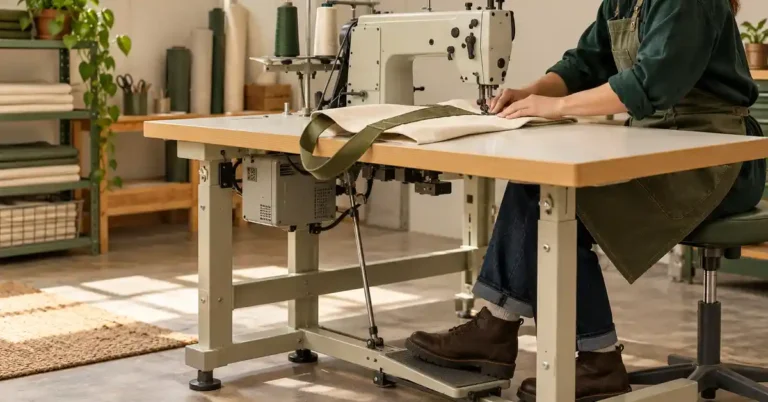
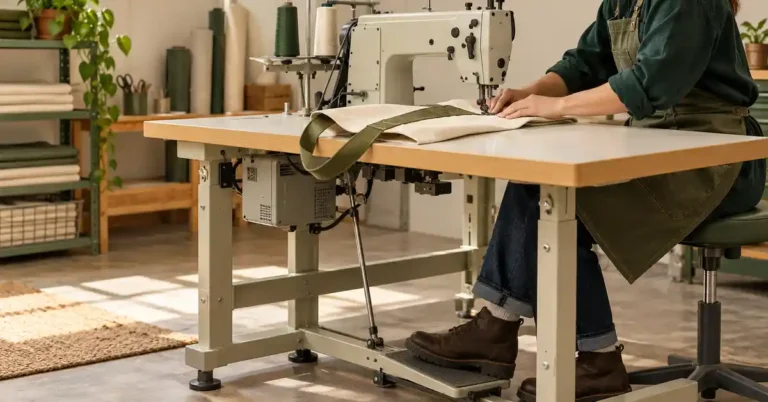
When embarking on your embroidery journey, the first step is selecting the right sewing machine. Not all sewing machines are created equal, especially when it comes to the intricacies of embroidery.
Types of Sewing Machines
There are primarily two types of sewing machines suitable for embroidery:
- Mechanical Sewing Machines: Typically more affordable, these machines offer basic embroidery capabilities. They are great for beginners.
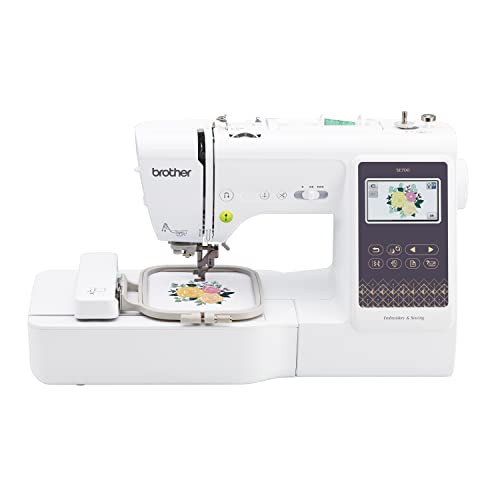
- Computerized Sewing Machines: These machines come with advanced features, including built-in embroidery designs, LCD screens, and the ability to connect to a computer for downloading new patterns.
Key Features to Look For
When selecting a machine, consider the following features:
| Feature | Description |
|---|---|
| Embroidery Area | A larger embroidery area allows for bigger designs and more creative freedom. |
| Built-in Designs | Machines with a variety of built-in designs save you time and effort. |
| Needle Position Adjustment | This feature gives you control over the alignment of your designs. |
| User-Friendly Interface | Look for machines with intuitive controls and clear displays. |
Essential Tools and Supplies
Beyond the sewing machine, several essential tools and supplies can enhance your embroidery experience.
Embroidery Thread
Selecting the right thread is crucial. Polyester and rayon threads are commonly used for their strength and sheen.
Embroidery Needles
Using specialized embroidery needles can make a significant difference in the quality of your work. These needles have a larger eye to accommodate thicker embroidery threads.
Stabilizers
Stabilizers provide support to the fabric during the embroidery process, preventing puckering or distortion. Choose the appropriate stabilizer based on the type of fabric you are working with.
Hoops
Embroidery hoops hold your fabric in place, ensuring precise stitching. Consider getting multiple sizes to accommodate different projects.
Getting Started with Embroidery
With your sewing machine and supplies ready, it’s time to dive into the practical aspects of machine embroidery.
Setting Up Your Machine
Before you start stitching, make sure your machine is properly set up:
1. **Thread the Machine:** Follow the threading diagram provided with your machine.
2. **Attach the Embroidery Foot:** Replace the standard presser foot with the embroidery foot.
3. **Load the Design:** Transfer your chosen design to the machine, either via USB or built-in option.
Preparing the Fabric
Prepare your fabric by pre-washing and ironing it to eliminate any wrinkles. Cut it larger than the hoop size to allow for adjustments.
Hooping the Fabric
Carefully place your fabric into the hoop, ensuring it is taut but not stretched. Secure the hoop in the machine.
Starting the Embroidery
Once everything is set up, select your design and start the machine. Keep an eye on the stitching process, ensuring the thread doesn’t tangle or break.
Common Embroidery Techniques
There are various techniques you can explore while embroidering with a sewing machine. Understanding these will enhance your skills and creativity.
Monogramming
Monogramming adds a personal touch to items like towels, bags, and clothing. Most machines come with built-in fonts for easy customization.
Appliqué
This technique involves sewing a piece of fabric onto another fabric to create designs. It’s popular for decorative purposes and can add texture to your projects.
Free Motion Embroidery
Free motion embroidery allows you to create designs without the constraints of a pre-set pattern. This technique requires practice for precision but results in unique artwork.
Using Embroidery Software
For those looking to expand their creativity, embroidery software can be a game-changer. It allows you to edit designs, customize patterns, and even create your own.
Troubleshooting Common Issues
Even experienced embroiderers encounter issues. Here are some common problems and their solutions:
Thread Bunching
If you notice thread bunching underneath your fabric, it could be due to improper tension. Check your machine’s tension settings and ensure you’re using the correct needle and thread combination.
Puckering Fabric
Puckering can occur if the stabilizer is not adequate or if the fabric is too loose in the hoop. Adjust the stabilizer or rehoop the fabric to minimize this issue.
Skipped Stitches
Skipped stitches can happen when the needle is dull or the thread is tangled. Replace the needle and rethread the machine to rectify this.
Frequently Asked Questions
A: Not all sewing machines are designed for embroidery. Look for machines specifically labeled for embroidery or those that have an embroidery attachment.
A: Cotton fabrics are ideal for beginners. However, you can also embroider on denim, canvas, and even knit fabrics with the right stabilizers.
A: The type of stabilizer you choose depends on your fabric and the complexity of your design. Generally, a tear-away stabilizer works well for most projects.
A: Practice is key. Experiment with different techniques, take classes, and follow online tutorials to improve your skills.
In conclusion, embroidering with a sewing machine can be a fulfilling and creative experience. With the right machine, tools, and techniques, you can create personalized and professional-quality designs. Whether you’re looking to adorn clothing, create gifts, or simply enjoy a new hobby, this guide provides the essential knowledge you need to get started. For those interested in specific models, consider checking out the Yeshi embroidery machine, or explore the Singer 114W103 chain stitch embroidery machine and the Brother large hoop embroidery machine. Happy stitching!