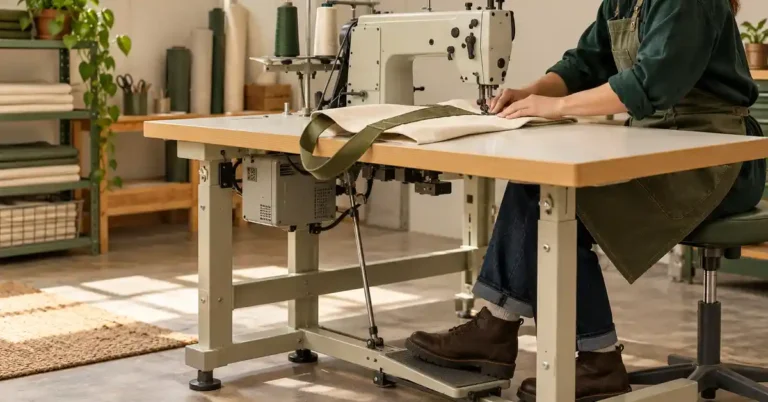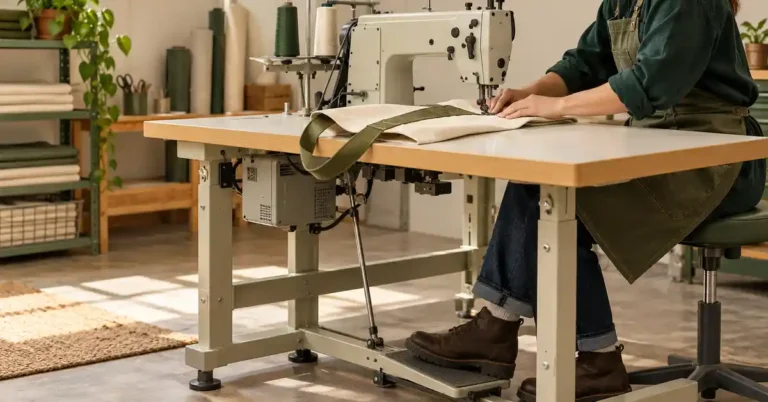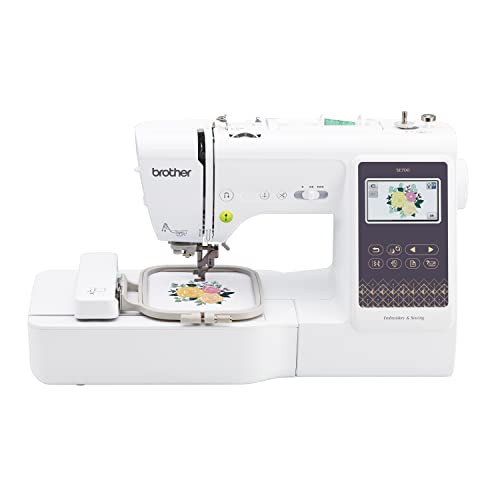
Embroidering with a sewing machine opens up a world of creative possibilities for crafters and hobbyists alike. Whether you’re looking to add a personal touch to home décor, create unique gifts, or develop new skills, machine embroidery is an exciting way to express your creativity. The process involves using a sewing machine equipped with embroidery capabilities, allowing you to create intricate designs with precision and ease. With the right tools, techniques, and a bit of practice, you can transform your sewing projects into stunning works of art.
Understanding Machine Embroidery
Machine embroidery involves using a sewing machine or specialized embroidery machine to stitch designs onto fabric. Unlike traditional hand embroidery, machine embroidery utilizes built-in designs or digitized files to automate the stitching process. This method is not only faster but also opens up a vast array of design options, from simple patterns to complex images.
Types of Machine Embroidery
There are several types of machine embroidery, including:
- Free-Motion Embroidery: This technique allows the sewist to move the fabric freely under the needle, creating unique and personalized designs.
- Computerized Embroidery: Involves using a computer to create or modify designs. The machine follows the digital pattern precisely, resulting in consistent and intricate designs.
- Appliqué: A technique where fabric pieces are stitched onto a base fabric, adding dimension and texture to the design.
Choosing the Right Machine
When it comes to embroidering with a sewing machine, selecting the right machine is crucial. There are various models available, each offering different features suited to specific needs.
Key Features to Consider
| Feature | Description |
|---|---|
| Embroidery Area | The size of the embroidery field determines the maximum size of the designs you can create. |
| Built-in Designs | Look for machines that come with a variety of built-in designs to get started right away. |
| Connectivity Options | Some machines allow you to connect to a computer or USB to import your own designs. |
| Ease of Use | User-friendly interfaces make it easier for beginners to navigate the machine’s features. |
Preparation for Embroidery
Once you’ve chosen your sewing machine, preparing for embroidery is the next step. Proper preparation can make a significant difference in the quality of your finished project.
Selecting the Right Materials
Choosing the right fabric and stabilizer is critical for successful embroidery. Here are some popular options:
- Fabrics: Cotton, linen, and polyester blends are excellent choices. Avoid stretchy fabrics unless you have the right stabilizer.
- Stabilizers: Different stabilizers serve various purposes. Tear-away, cut-away, and water-soluble stabilizers can help support your fabric during the embroidery process.
Preparing Your Design
Before starting the embroidery process, ensure your design is ready. Use embroidery software to digitize or adjust your patterns. This step is crucial for achieving the best results.
Techniques and Tips for Successful Embroidery
Utilizing specific techniques can enhance the quality of your machine embroidery. Here are some essential tips to keep in mind:
Thread and Needle Selection
The type of thread and needle can greatly affect the outcome of your embroidery. Here are some recommendations:
- Threads: Use high-quality embroidery thread for better color and durability. Polyester threads are popular due to their strength and vibrancy.
- Needles: Select the appropriate needle size and type (e.g., ballpoint for knits, sharp for woven fabrics) based on your fabric choice.
Hooping Techniques
Proper hooping is essential for ensuring that your fabric remains taut and secure during the stitching process. Follow these steps for effective hooping:
- Choose the right size hoop for your project.
- Align the fabric correctly within the hoop, ensuring it is flat without wrinkles.
- Secure the fabric firmly in place without over-tightening, which could distort the fabric.
Stitching Techniques
Pay attention to the stitching process. Here are some techniques that can help:
- Start with a slow speed to maintain control, especially when you’re new to machine embroidery.
- Regularly check the tension settings to avoid puckering or thread breakage.
Troubleshooting Common Issues
Even experienced embroiderers face challenges. Here are some common issues and their solutions:
Thread Breakage
Thread breakage can occur due to various reasons, such as incorrect tension or a worn-out needle. To fix this:
- Check and adjust the tension settings.
- Replace the needle regularly, especially after multiple projects.
Puckering
Puckering happens when the fabric is not adequately supported. To prevent this:
- Use the correct stabilizer for your fabric type.
- Hoop the fabric tightly but not excessively.
Skipped Stitches
If your machine is skipping stitches, consider these adjustments:
- Change the needle to a new one, as a dull needle can cause skipping.
- Ensure the thread is properly threaded and the tension is set correctly.
A: Yes, many regular sewing machines have embroidery capabilities, but specialized embroidery machines offer enhanced features for better results.
A: Cotton and polyester blends are generally the best for machine embroidery due to their durability and ease of use.
A: You can find embroidery designs online through various websites, purchase them from craft stores, or create your own using embroidery software.
Frequently Asked Questions
A: While it is highly recommended to use stabilizer for most projects, you can sometimes skip it with thicker fabrics like denim or canvas.
A: Regularly clean your machine, change the needle, and have it serviced to ensure optimal performance. For local service options, check our embroidery machine service near me page.
A: Yes, but it requires specific techniques and stabilizers to prevent stretching. For more details, refer to Exploring Embroidery on Knits by Judit Gummlich.
Conclusion
Embroidering with a sewing machine can be a rewarding and enjoyable experience, allowing you to create unique designs and personalize your projects. By understanding the fundamentals of machine embroidery, choosing the right equipment, and employing effective techniques, you can elevate your sewing projects to new heights. Remember, practice makes perfect, so don’t hesitate to experiment and explore different designs and materials. With time, you’ll find your style and discover the joy of creating beautiful embroidered pieces.
For those looking to expand their embroidery machine options, check out our review of the Bernina Bernette Deco 600 embroidery machine or browse our selection of machines with the embroidery machine for sale nearby link. Happy embroidering!