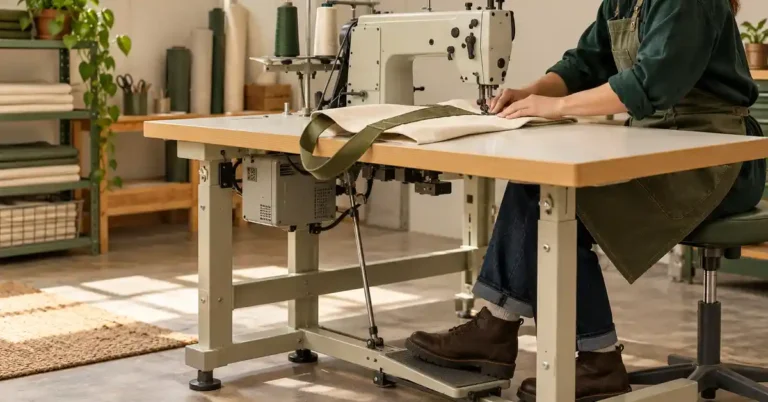
Sewing machines are intricate pieces of technology that have revolutionized the world of textiles. As these machines become more advanced, the demand for skilled technicians who can maintain, repair, and optimize their performance is growing. If you have a passion for sewing and technology, pursuing sewing machine technician training could be a fulfilling career path. This article will guide you through the various aspects of this training, what it entails, and how you can embark on this rewarding journey.
What is Sewing Machine Technician Training?
Sewing machine technician training involves a structured program designed to equip individuals with the necessary skills and knowledge to service and repair sewing machines. This training typically covers both theoretical concepts and practical skills, ranging from basic machine operation to complex troubleshooting and repairs. Technicians learn to diagnose issues, replace parts, and maintain sewing machines to ensure they operate at their best.
Why Pursue Training?
Pursuing sewing machine technician training can open up a plethora of opportunities in various fields. Here are some compelling reasons to consider this path:
- High Demand: With the rise of DIY sewing and embroidery, there’s an increasing demand for skilled technicians.
- Diverse Opportunities: Technicians can work in various settings, including sewing machine retailers, manufacturing companies, and even freelance repair services.
- Job Satisfaction: Helping customers get their machines running smoothly can be incredibly rewarding.
- Continuous Learning: As technology evolves, technicians have the chance to learn about new models and innovations in sewing technology.
Curriculum Overview
The curriculum for sewing machine technician training can vary by institution but generally includes the following key components:
Basic Skills
This foundational segment introduces students to the basic operation and mechanics of sewing machines. Topics may include:
- Understanding different types of sewing machines
- Basic stitching techniques
- Essential tools and equipment for repairs
Advanced Skills
Once the basics are mastered, technicians delve into more complex topics such as:
- Diagnosis and troubleshooting of common issues
- Understanding electronic components and circuitry in modern machines
- Repairing various sewing machine brands and models
Hands-On Training
Hands-on experience is crucial in this field. Most training programs include:
- Practical workshops where students work on real machines
- Internships with local sewing machine shops
- Opportunities to attend trade shows and demonstrations
Certifications and Licensing
While certification is not always required to work as a sewing machine technician, obtaining one can enhance your credibility and job prospects. Various organizations offer certification programs, often focusing on specific brands or types of machines. Some commonly recognized certifications include:
- Certified Sewing Machine Technician (CSMT)
- Manufacturer-specific certifications (e.g., Brother, Singer)
Career Opportunities
Upon completing your training, various career paths await you:
- Retail Technician: Work in sewing machine stores, providing repairs and maintenance services.
- Freelance Technician: Start your own business offering repair services to local customers.
- Manufacturing Technician: Work in factories that produce sewing machines, focusing on assembly and quality control.
- Education: Teach others about sewing machine maintenance and operation in community colleges or vocational schools.
Common Challenges
Like any profession, being a sewing machine technician comes with its own set of challenges. Here are a few to keep in mind:
- Keeping Up with Technology: Sewing machines are constantly evolving, so continuous education is necessary.
- Customer Expectations: Dealing with frustrated customers can be challenging, especially when repairs take longer than expected.
- Access to Parts: Obtaining specific parts for older or less common machine models can sometimes be difficult.
Tips for Success
To thrive in your career as a sewing machine technician, consider these practical tips:
- Stay Informed: Regularly read industry publications and follow online resources to stay updated on the latest trends and technologies.
- Practice Patience: Repairing machines can be a meticulous process. Developing patience will serve you well.
- Focus on Customer Service: Good communication and customer service skills are critical for building a loyal client base.
FAQs
A: Most training programs last anywhere from a few months to two years, depending on the depth of the curriculum and whether you are studying full-time or part-time.
A: Yes, many institutions offer online courses, allowing you to learn at your own pace. However, hands-on training is essential, so look for programs that provide opportunities for practical experience.
A: Some programs provide tools, while others may require students to purchase their own. Always check with your specific training institution for their requirements.
A: Familiarity with popular brands such as Singer, Brother, Janome, and Bernina is beneficial, as they are widely used in the industry.
As you embark on your journey to become a sewing machine technician, remember that the right training and mindset can lead to a rewarding career. Whether you are servicing machines for hobbyists or working in a large-scale manufacturing environment, your skills will be in high demand. Embrace the learning process, build your network, and enjoy the satisfaction that comes from keeping sewing machines running smoothly.
To enhance your sewing skills further, don’t forget to check out our articles on Unlock Creative Embroidery with SmartStitch Side Hoops! and Discover the Best Sewing Patterns for Beginners. Also, consider reading our detailed reviews on various machines, such as the Melco Hat Embroidery Machine, Singer Chain Stitch Embroidery Machine, and Brother Embroidery Machine PE535. These resources can significantly benefit your understanding of sewing and embroidery.