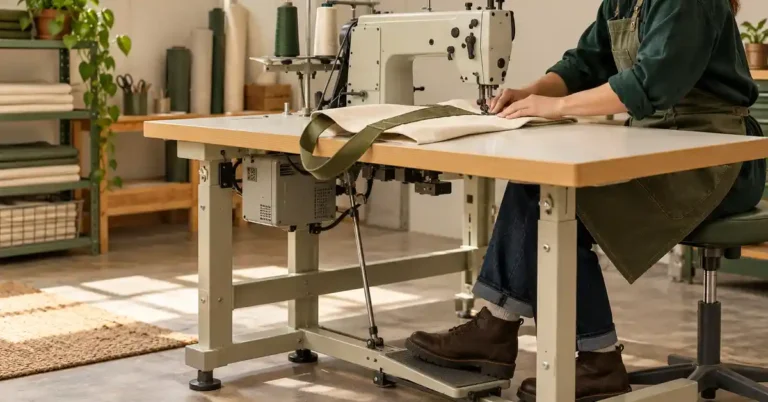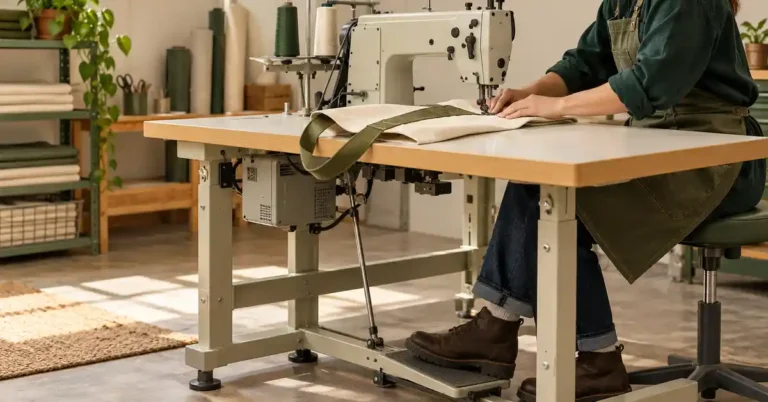
For those who love working with leather, having the right tools can make all the difference in achieving professional results. A sewing machine that sews leather is an essential piece of equipment for crafters and professionals alike. Leather presents unique challenges due to its thickness and texture, requiring specialized machines or adaptations to ensure smooth stitching and durability. In this article, we will explore the best sewing machines for leather, what features to look for, and tips to get the most out of your sewing experience.
Why Sew Leather?
Sewing leather offers numerous benefits that extend beyond aesthetics. Its durability makes it an ideal material for a variety of items, including clothing, bags, furniture, and accessories. Leather has a unique character that ages beautifully, often developing a rich patina over time. Additionally, sewing with leather allows creators to produce personalized, high-quality items that can stand the test of time, making it a rewarding craft.
Features of a Good Leather Sewing Machine
When choosing a sewing machine specifically for leatherwork, several features set them apart from standard machines. Consider the following:
- Heavy-Duty Construction: Look for a machine made with robust materials that can handle thick leather.
- Walking Foot: A walking foot helps to evenly feed multiple layers of leather, preventing slipping.
- Powerful Motor: A strong motor provides the necessary force to sew through thick materials without stalling.
- Adjustable Presser Foot Pressure: This feature allows you to adjust the pressure applied to the leather, which is crucial for even stitching.
- Variety of Stitch Types: A machine that offers different stitch styles can enhance your leather projects.
Best Sewing Machines for Leather
Here are some of the best sewing machines on the market that are well-suited for leatherwork:
| Machine | Features | Ideal For |
|---|---|---|
| Brother ST371HD | Heavy-duty, 37 stitches, walking foot | Beginners and intermediate sewists |
| Singer 4423 | Powerful motor, 23 stitches, adjustable presser foot | All leather projects |
| Juki TL-2010Q | High-speed, industrial quality, large work area | Advanced sewists and professionals |
| Bernina 880 Plus | Advanced technology, large selection of stitches | High-end leather projects |
Each of these machines has its own strengths, catering to various skill levels and project requirements. For more information on the history of Bernina sewing machines, check out the Bernina Sewing Machine History & Timeline.
Sewing Techniques for Leather
Working with leather requires specific techniques to ensure that your projects turn out beautifully. Here are some essential tips:
Choosing the Right Needle and Thread
When sewing leather, it’s vital to use the correct needle and thread. A leather needle has a wedge-shaped point that can pierce through the material without causing damage. For thread, opt for polyester or nylon, as they provide strength and durability.
Adjusting Machine Settings
Before you start sewing, make sure to adjust the tension and stitch length. A longer stitch length (around 3-4 mm) is ideal for leather, as it prevents perforation and tearing.
Using a Walking Foot
A walking foot is an essential attachment for sewing leather. It helps to evenly feed the material through the machine, minimizing the risk of puckering or uneven seams.
Seam Finishing Techniques
Leather edges can be left unfinished for a rustic look or finished for a more polished appearance. Techniques such as edge dyeing, burnishing, or adding bias tape can enhance the final product.
Caring for Your Sewing Machine
Regular maintenance is crucial for ensuring the longevity and performance of your sewing machine, especially when working with tough materials like leather. Here are some tips:
- Clean After Use: Remove any leather scraps and dust after each session.
- Oil Regularly: Follow the manufacturer’s guidelines for oiling your machine to keep it running smoothly.
- Check the Needle: Replace the needle frequently, especially after sewing several layers of leather.
- Store Properly: Keep your machine covered when not in use to prevent dust accumulation.
FAQs
A: No, not all sewing machines are capable of handling leather. It’s best to use a heavy-duty machine or one specifically designed for leatherwork.
A: Polyester or nylon threads are recommended because they are strong and durable.
A: Yes, a leather needle with a wedge-shaped point is ideal for sewing leather as it prevents damage to the material.
A: Using a walking foot and adjusting the presser foot pressure can help minimize stretching.
By understanding the nuances of sewing leather and utilizing the right tools, you can create stunning and durable projects. Whether you’re crafting handbags, clothing, or home decor, the right sewing machine can make all the difference. For those looking to add a touch of embroidery to their leather projects, consider exploring the vibrant options available at Try this once for vibrant, lasting embroidery results!. And if you’re interested in adding embroidery to your leather creations, check out our guide on Transform Your Dresses: Stunning Embroidery Patterns Inside!.
In conclusion, investing in a sewing machine that sews leather opens up a world of creative possibilities. With the right equipment, techniques, and care, you’ll be well on your way to producing beautiful leather items that showcase your craftsmanship. Happy sewing!