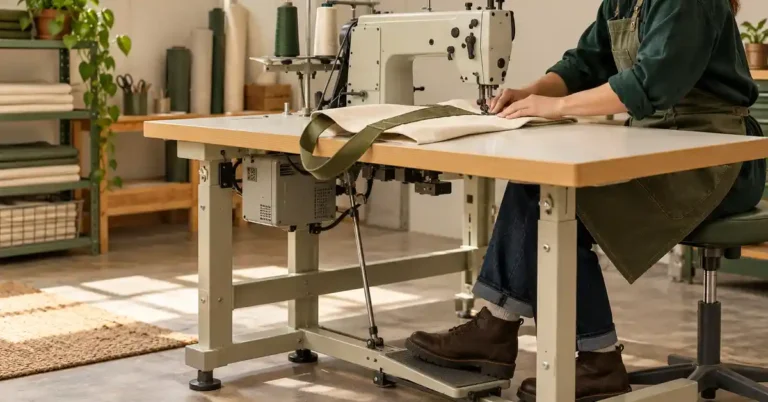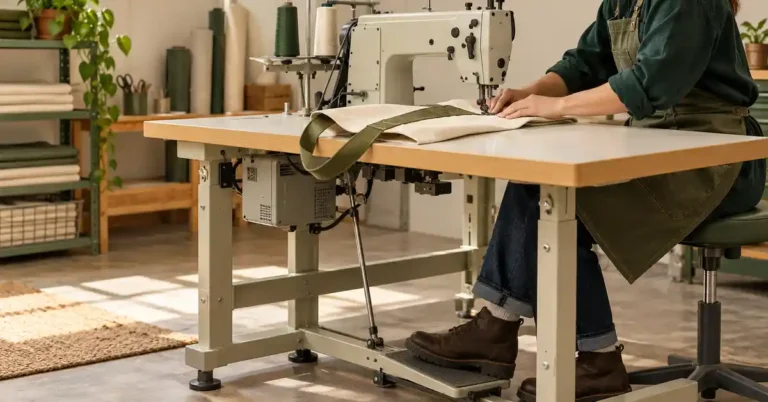
Sewing enthusiasts and professionals alike understand the importance of having the right tools for the job. A sewing machine with a serger is one such tool that can elevate your sewing projects to a whole new level. The combination of a sewing machine and a serger allows for versatile stitching options, helping you create beautifully finished garments and crafts with ease. In this article, we will explore the benefits of using a sewing machine with a serger, how they work together, and tips for choosing the best combination for your needs.
What is a Sewing Machine with a Serger?
A sewing machine with a serger is a versatile tool that combines the functions of a traditional sewing machine with the capabilities of a serger, or overlock machine. The sewing machine allows you to create a variety of stitches for assembling fabric pieces, while the serger provides professional finishing techniques. This combination enables you to not only sew but also to trim and overlock the edges of your fabric in one seamless process.
Understanding the Components
Your typical sewing machine is designed for straight stitching, zigzag stitching, and other decorative stitches. In contrast, a serger uses multiple threads (usually two to five) to create an overlock stitch, which helps prevent fabric from fraying and provides a clean, polished finish. With a machine that incorporates both features, you can seamlessly switch between sewing and serging, making it an efficient choice for various sewing projects.
Benefits of Using a Sewing Machine with a Serging Function
When considering the purchase of a sewing machine with a serger, it’s essential to understand the numerous advantages this combination offers. Here are some key benefits:
Efficiency in Sewing
Having both a sewing machine and a serger in one unit can significantly speed up your sewing process. You can sew seams, trim excess fabric, and finish edges all in one step, which is especially beneficial when working with knits and stretch fabrics.
Professional Finishing
One of the standout features of a serger is its ability to create clean, professional-looking seams. By using a serger, you can achieve finishes that rival those of commercial garments, adding a level of professionalism to your home sewing projects.
Versatility
The combination of a sewing machine and serger allows you to tackle a wide variety of projects. From basic garment construction to more intricate designs, you can experiment with different stitches and techniques, enhancing your sewing skills.
Cost-Effectiveness
Investing in a sewing machine that includes a serger can save money in the long run. Instead of purchasing separate machines for sewing and serging, you can have everything you need in one unit, which also means saving space in your sewing area.
How Does a Sewing Machine and Serger Work Together?
Understanding how a sewing machine and serger complement each other is crucial for maximizing their potential. While they serve different purposes, they work together harmoniously to achieve outstanding results.
Basic Functions of a Sewing Machine
A sewing machine is primarily used for sewing fabric pieces together. It typically features a single needle and can perform various stitch types, such as straight, zigzag, and decorative stitches. These stitches are great for assembling garments and creating beautiful designs.
Basic Functions of a Serger
A serger, on the other hand, is designed for finishing edges and seams. It uses multiple threads to create overlock stitches, which can simultaneously trim fabric edges to prevent fraying. This is particularly useful when working with stretchy or delicate fabrics that require a clean finish.
How They Work Together
When using a sewing machine with a serger, you can seamlessly switch between functions. For example, you can start by sewing the main seams with the sewing machine and then use the serger to finish the edges. This two-step process not only enhances the durability of your projects but also simplifies the sewing workflow.
Choosing the Right Sewing Machine with a Serger
When selecting a sewing machine with a serger, consider the following factors to ensure you find the right fit for your sewing needs:
Features to Look For
- Multiple Stitch Options: Look for machines that offer a variety of stitches for both sewing and serging.
- Ease of Use: Consider a machine with intuitive controls and a user-friendly interface.
- Threading System: Automatic threading can save time and reduce frustration.
- Adjustable Tension: This feature allows you to customize the stitch quality based on fabric type.
- Free Arm Capability: Useful for sewing cuffs, sleeves, and pant legs.
Budget Considerations
When it comes to pricing, sewing machines with a serger can vary significantly. Establish a budget before starting your search, but remember that investing in a quality machine can pay off in the long run through improved performance and durability.
Brand Reputation
Research reputable brands known for their quality sewing machines and sergers. Look for models that come highly rated by users, as well as those backed by strong warranties and customer support.
Maintenance Tips for Sewing Machines and Sergers
To keep your sewing machine and serger in top condition, regular maintenance is essential. Here are some practical tips to ensure longevity and optimal performance:
Regular Cleaning
Dust and lint can accumulate in your machine, affecting performance. Clean your machine regularly, especially around the bobbin area and feed dogs. Use a soft brush or a vacuum attachment designed for sewing machines.
Threading and Tension Checks
Always check the threading and tension settings before starting a new project. Incorrect threading can lead to skipped stitches or thread breaking. If you notice uneven stitches, adjust the tension accordingly.
Scheduled Servicing
Plan to have your machine serviced by a professional technician at least once a year. This can help identify potential issues before they become significant problems.
Frequently Asked Questions
A: Yes, a serger can be used independently, but it is primarily designed for finishing edges and cannot create all the stitch types a sewing machine can.
A: While there is a learning curve, many modern machines come with user-friendly features that make it easier for beginners. Practice and patience will help you master both functions.
A: Needles should be changed regularly, based on usage. A good rule of thumb is to replace them after every project or after every 8 hours of sewing.
A: Yes, some machines are specifically designed to handle heavy-duty fabrics. Look for machines with robust construction and powerful motors.
Conclusion
In the world of sewing, having the right tools can make all the difference. A sewing machine with a serger offers versatility, efficiency, and professional-quality finishes that can elevate your sewing projects. Whether you’re a beginner or an experienced seamstress, investing in this combination machine will not only streamline your sewing process but also enhance your creativity. Remember to consider the features, budget, and maintenance tips outlined in this article as you embark on your sewing journey. Happy sewing!