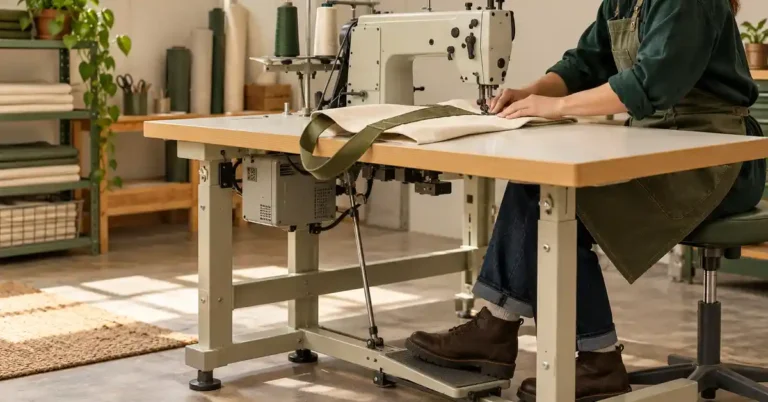
Using a sewing machine with a blanket stitch can elevate your sewing projects from ordinary to extraordinary, providing both functionality and a decorative touch. Whether you’re a seasoned sewist or a beginner, mastering the blanket stitch can open doors to a variety of creative applications, from finishing edges to adding unique embellishments to your fabric projects. Understanding how to utilize this stitch effectively will not only enhance your skills but also allow you to create stunning pieces that stand out.
What is a Blanket Stitch?
The blanket stitch is a hand or machine stitch commonly used to finish the edges of fabric pieces. Its characteristic loop creates a decorative edge that is both functional and visually appealing, making it a popular choice in quilting, appliqué, and garment construction. When executed correctly, the blanket stitch not only prevents fabric from fraying but also adds a polished look to your projects.
History of Blanket Stitch
The blanket stitch has a rich history, originally named for its use in finishing the edges of blankets. Traditionally, this stitch was employed by hand, but with the advent of sewing machines, it has become more accessible to sewists of all skill levels.
Setting Up Your Sewing Machine for Blanket Stitch
To successfully create a blanket stitch using your sewing machine, it’s essential to set it up correctly. Follow these steps for optimal results:
1. Choose the Right Sewing Machine
Not all sewing machines have the blanket stitch function. Ensure your machine has this feature, or can perform a similar stitch. Many modern sewing machines come with pre-programmed stitch patterns, including the blanket stitch.
2. Select the Appropriate Needle and Thread
Using the right needle and thread is crucial. For most fabric types, a universal needle will suffice, but for heavier fabrics like denim or canvas, you may want to opt for a larger needle. Additionally, choose a thread that complements your fabric.
3. Adjust Your Stitch Settings
When setting up your blanket stitch, pay attention to the stitch width and length. A wider stitch will create a more pronounced effect, while a shorter stitch will yield a tighter finish. Adjust these settings based on your fabric type and desired outcome.
Applications of Blanket Stitch
The versatility of the blanket stitch allows it to be used in various sewing and embroidery projects. Here are some popular applications:
1. Finishing Raw Edges
One of the primary uses of the blanket stitch is to finish raw edges, preventing fraying and giving a clean look to your projects. This is especially useful for fabrics that tend to unravel easily.
2. Appliqué Work
Blanket stitches are often employed in appliqué work to attach decorative pieces to a base fabric. This technique can be used in quilting, clothing, and home décor projects.
3. Decorative Embellishments
Beyond functionality, blanket stitches can serve as decorative elements in your projects. Use contrasting thread colors to create eye-catching borders on quilts or garments.
4. Quilting Techniques
In quilting, the blanket stitch is used for both decorative purposes and securing layers of fabric. It can be employed in various quilting styles, adding texture and interest.
Tips for Success with Blanket Stitch
1. Practice on Scrap Fabric
Before diving into your main project, spend some time practicing your blanket stitch on scrap fabric. This will help you get a feel for the stitch and make any necessary adjustments to your machine.
2. Use a Walking Foot
If your machine allows, using a walking foot can help feed the fabric evenly and prevent it from bunching up, especially on thicker materials.
3. Keep Tension in Check
Proper thread tension is essential for a clean finish. If your stitches look uneven or puckered, check your machine’s tension settings and adjust accordingly.
Common Mistakes to Avoid
Even experienced sewists can make mistakes. Here are some common pitfalls to watch out for when using a blanket stitch:
1. Incorrect Stitch Length and Width
Not adjusting your stitch length and width can lead to unsatisfactory results. A stitch that is too long may not secure the fabric properly, while one that is too short can create a tight, puckered finish.
2. Ignoring Fabric Grain
Always pay attention to the fabric grain when applying blanket stitches. Sewing against the grain can cause distortion and may result in an uneven appearance.
3. Skipping the Test Stitch
Failing to test your settings on a scrap piece of fabric can lead to unexpected results on your actual project. Always make it a habit to test first.
A: While a blanket stitch is versatile, it works best on medium to heavy fabrics. Delicate fabrics may require a lighter touch and a different stitch type.
A: Check your machine’s tension settings and ensure you are using the correct needle size for your fabric type. Adjusting these settings usually resolves uneven stitching issues.
A: Blanket stitches can be used in various projects, including quilts, appliqué items, clothing, and home décor. They are particularly effective for finishing edges and adding decorative elements.
Frequently Asked Questions
Here are some common questions and answers related to the use of blanket stitches in sewing:
A: Yes, you can use a zigzag stitch or a straight stitch to mimic a blanket stitch, but it may not have the same decorative appeal. Adjusting the stitch settings can help achieve a similar look.
A: While a standard foot can work, using a specialty foot, such as an appliqué or walking foot, can improve your results and ease of sewing.
A: Maintaining an even pace while sewing and keeping a consistent distance from the edge of your fabric will help ensure uniformity in your blanket stitches.
In conclusion, mastering the use of a sewing machine with a blanket stitch opens up a world of creative possibilities. From finishing raw edges to adding decorative elements, the blanket stitch is a valuable technique that can enhance your sewing skills and projects. Remember to set up your sewing machine correctly, practice on scrap fabric, and be mindful of common mistakes to ensure a successful sewing experience. With these tips and insights, you’re well on your way to creating beautiful, professional-looking pieces.
For more sewing inspiration, check out our Naturally Cozy and Stylish Embroidery Sweater for Ladies or explore our Beautifully Crafted Custom Embroidered Hoodie. If you’re interested in advanced features, don’t miss our Review: wireless embroidery machine or the Great Value! Avancé Embroidery Machine Price & Features Reviewed. For a touch of vintage, check out our Review: vintage embroidery machine.