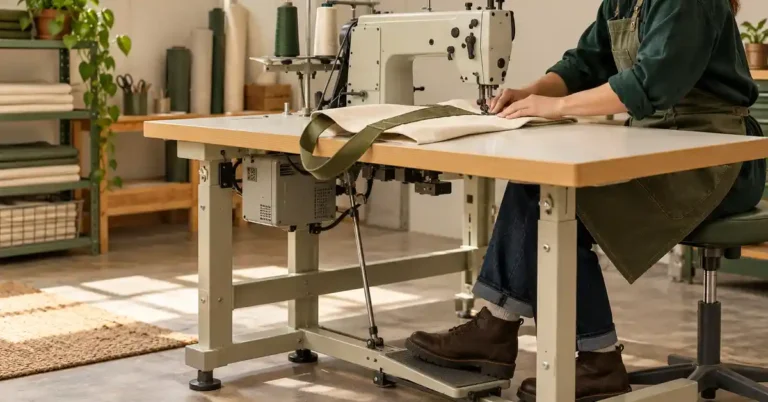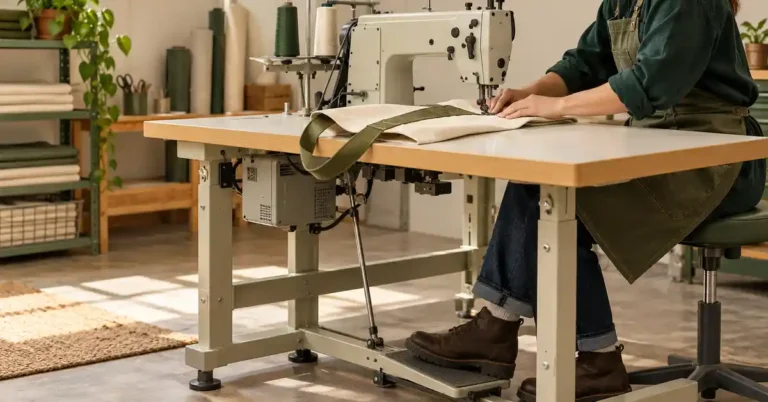
Sewing machines have come a long way from the manual foot-powered models of the past. Today, many sewing enthusiasts and professionals rely on machines equipped with powerful motors that enhance their sewing experience. A sewing machine with a motor not only improves efficiency but also provides various features that can elevate your sewing projects to a new level. In this comprehensive guide, we’ll explore the advantages of sewing machines with motors, key features to consider, and tips for choosing the right machine for your needs.
Advantages of Sewing Machines with Motors
Choosing a sewing machine equipped with a motor has numerous benefits. Here are some of the most significant advantages:
Enhanced Speed and Efficiency
One of the primary benefits of a sewing machine with a motor is its speed. Machines with motors can sew at higher speeds compared to manual machines, allowing you to complete projects faster. This is especially beneficial for professional seamstresses or those who frequently work on large-scale projects.
Improved Stitch Quality
With a more powerful motor, sewing machines can provide consistent stitching quality. This means fewer skipped stitches and more reliable performance across various fabrics. Whether you’re quilting, sewing garments, or creating home décor items, a motorized machine ensures a professional finish.
Versatility in Sewing Techniques
Motorized sewing machines often come with a range of stitch options and settings. This versatility enables users to experiment with different sewing techniques, from basic straight stitches to intricate embroidery patterns. For instance, if you’re interested in enhancing your projects with embroidery, consider checking out our review of the Stitch in Style: Taylor Swift Embroidery Design.
Less Physical Strain
Using a sewing machine with a motor reduces the physical effort required for sewing, making it easier for users to sew for extended periods. This is particularly beneficial for individuals with limited mobility or those who may experience discomfort with manual machines.
Key Features to Consider
When looking for a sewing machine with a motor, there are several features you should consider to ensure you select the right model for your needs:
Motor Power and Speed
The power of the motor affects how quickly and efficiently the machine can sew. Look for machines that specify their motor wattage and speed in stitches per minute (SPM). A higher wattage and SPM can indicate a more powerful machine suited for heavy fabrics.
Stitch Options
Different sewing machines offer various stitch patterns. Basic machines may only have a few stitches, while advanced models can have over a hundred. Consider what types of projects you plan to work on and choose a machine that provides the necessary stitch options.
Automatic Features
Many modern sewing machines come with automatic features such as thread tension adjustment, needle threading, and stitch selection. These features can save you time and make sewing easier, especially for beginners.
Ease of Use
A user-friendly interface is crucial for a positive sewing experience. Look for machines with intuitive controls, clear displays, and easy-to-follow instructions. For instance, the Husqvarna Viking Designer Topaz 50 is known for its ease of use, making it ideal for both beginners and experienced sewers.
Portability
If you plan to take your sewing machine to classes or events, consider its weight and size. Some machines are designed to be lightweight and portable, while others are more substantial and meant for home use.
How to Choose the Right Sewing Machine with Motor
Choosing the right sewing machine can be overwhelming given the variety of options available. Here are some steps to help you make an informed decision:
Determine Your Sewing Needs
Before making a purchase, assess your sewing needs. Are you a beginner looking for a simple machine, or are you an experienced sewer who needs advanced features? Consider the types of projects you plan to undertake, as this will guide your choice.
Set a Budget
Sewing machines come in a wide range of prices. Setting a budget can help narrow down your options. Remember that while it may be tempting to go for the cheapest option, investing in a reliable machine with good features is often worth it in the long run.
Research Brands and Models
Take time to research various brands and models. Look for reviews and feedback from other users to understand the strengths and weaknesses of specific machines. For example, the Entrepreneur 6 Plus Embroidery Machine has received excellent reviews for its advanced features and reliability.
Test the Machine
If possible, try out the machine before purchasing. Many sewing machine retailers allow customers to test the machines. Pay attention to how comfortable the machine feels and how easy it is to operate.
Maintenance Tips for Your Sewing Machine
To ensure your sewing machine with a motor remains in good condition, regular maintenance is essential. Here are some maintenance tips:
Cleaning
Regularly remove lint and dust from your machine. Use a soft brush or a vacuum attachment to clean the feed dogs, bobbin area, and other accessible parts. Keeping your machine clean helps prevent jams and ensures smooth operation.
Oiling
Many sewing machines require oiling to keep the motor and internal parts functioning smoothly. Refer to your machine’s manual for guidance on how and where to oil your machine. Over-oiling can cause buildup, so use oil sparingly.
Check Tension Settings
Regularly check and adjust the thread tension settings as necessary. Improper tension can lead to poor stitch quality and can cause frustration during sewing.
Servicing
Consider having your sewing machine serviced by a professional annually. A technician can identify potential issues and perform necessary repairs, ensuring your machine runs optimally for years to come.
A: Look for machines with higher motor wattage and stitches per minute (SPM) ratings. If you plan to sew thick fabrics or multiple layers, a more powerful motor will be beneficial.
A: While standard machines can handle some heavy fabrics, look for a sewing machine with a motor specifically designed for heavy-duty sewing if you plan to work with materials like denim or canvas.
A: Computerized sewing machines offer more features and automation options, making them easier to use for complex projects. However, mechanical machines can be more durable and easier to repair, depending on your needs.
A: With proper maintenance, a quality sewing machine can last anywhere from 10 to 25 years or more. Regular servicing and care play a significant role in its longevity.
Conclusion
A sewing machine with a motor is an essential tool for anyone passionate about sewing, whether for hobby or profession. The advantages of enhanced speed, improved stitch quality, and versatility make these machines invaluable. By considering key features, choosing the right model, and maintaining your machine properly, you can ensure a satisfying sewing experience for years to come. Don’t forget to explore innovative designs like tear away stabilizers for embroidery to elevate your projects even further. Happy sewing!