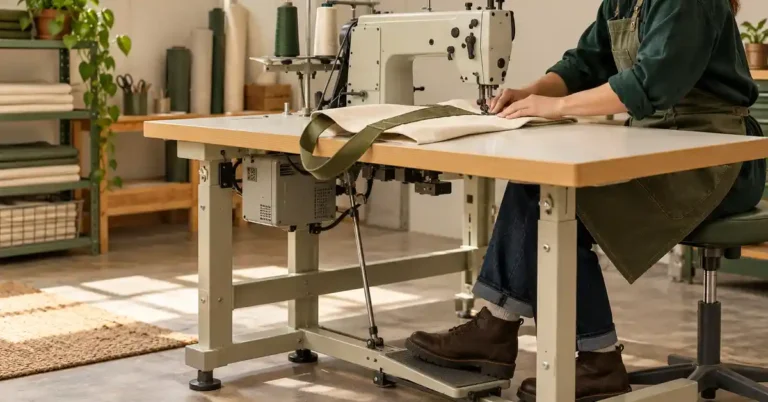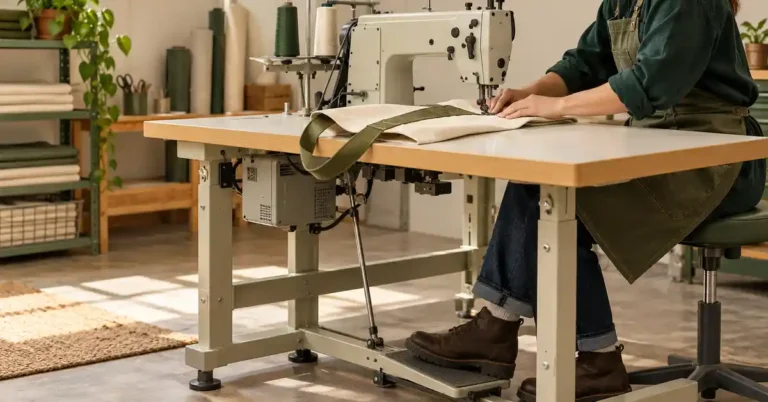
Sewing machines have revolutionized the world of textile crafting, making it easier for both novices and seasoned crafters alike to create beautiful garments and intricate designs. However, understanding the various parts of a sewing machine can seem daunting at first. This guide aims to break down the components of a sewing machine with parts labeled, providing you with a clear understanding of how they work together to help you sew efficiently.
Sewing Machine Overview
A sewing machine is a device used to stitch fabric and other materials together with thread. It utilizes a needle and a bobbin to create stitches, enabling the user to produce a wide variety of textile products, from clothing to home décor. The mechanics of a sewing machine may vary depending on the model and brand, but understanding the core components will help you make the most of your machine.
Key Parts of a Sewing Machine
To effectively operate a sewing machine, it’s essential to know its key parts. Below is a detailed breakdown of the most common components found in most sewing machines.
| Part | Description |
|---|---|
| Needle | The sharp metal component that pierces the fabric and carries the thread. |
| Bobbin | A small spool that holds the lower thread and works in conjunction with the needle. |
| Presser Foot | A foot that holds the fabric in place while sewing, ensuring smooth and even stitches. |
| Feed Dogs | Teeth-like components that move the fabric through the machine as you sew. |
| Stitch Selector | A dial or digital display that allows you to choose different stitch types. |
| Tension Control | Adjusts how tightly the threads are pulled, affecting stitch quality. |
| Throat Plate | The flat surface under the needle that provides support for the fabric and has markings for seam allowances. |
| Power Switch | Turns the sewing machine on and off. |
| Foot Pedal | A control that regulates the speed of the sewing machine when pressed with your foot. |
Needle
The needle is perhaps the most critical part of a sewing machine. It comes in various sizes and types, each suited for different fabric types and sewing techniques. Understanding which needle to use is vital for the quality of your stitching.
Bobbin
The bobbin is usually housed in a case beneath the needle plate. It holds the lower thread, which interlocks with the needle thread to create stitches. Ensuring that your bobbin is properly threaded is essential for smooth operation.
Presser Foot
The presser foot applies pressure to the fabric, keeping it steady during sewing. Different types of presser feet are available for various techniques, such as quilting, zipper installation, and button sewing.
Feed Dogs
Feed dogs move the fabric through the machine as you sew. They work in unison with the presser foot, which holds the fabric in place. Adjusting the feed dogs can help you achieve different sewing techniques, such as free-motion quilting.
Stitch Selector
This component allows you to choose the kind of stitch you want to use, ranging from straight stitches to zigzag stitches and decorative patterns. Some machines even offer programmable stitches, allowing for greater creativity in your projects.
Tension Control
Tension can make or break your sewing project. If the thread tension is too tight, it may cause the fabric to pucker; if too loose, the stitches may be weak. Adjusting the tension control is crucial for achieving the desired stitch quality.
Throat Plate
The throat plate is the flat, removable piece under the needle that provides a stable surface for sewing. It usually features measurements for seam allowances, making it easier for you to maintain consistent stitching.
Power Switch and Foot Pedal
The power switch is straightforward, turning the machine on and off. The foot pedal, however, is where you control the speed of your sewing. Pressing down on the pedal makes the machine sew faster; releasing it slows down or stops the machine.
Different Types of Stitches
Understanding the types of stitches your sewing machine can create is vital for successful sewing projects. Here’s a brief overview of common stitch types:
| Stitch Type | Description |
|---|---|
| Straight Stitch | The most basic stitch, used for seams and hems. |
| Zigzag Stitch | A versatile stitch used for finishing edges and decorative purposes. |
| Overlock Stitch | A stitch that prevents fabric edges from fraying, often used in knit fabrics. |
| Buttonhole Stitch | Specifically designed to create buttonholes in fabric. |
| Decorative Stitches | These stitches are used for embellishing projects and come in various patterns. |
Maintenance and Care
Like any machine, your sewing machine requires regular maintenance to function optimally. Here are some essential care tips:
Cleaning Your Sewing Machine
Dust and lint can accumulate in your sewing machine over time, affecting its performance. Regular cleaning is necessary to keep it running smoothly. Use a soft brush or cloth to remove lint from the bobbin area and other accessible parts.
Oiling Your Machine
Most modern sewing machines are self-lubricating, but some older models may require occasional oiling. Always refer to your machine’s manual for specific instructions on where and how to oil your machine.
Regular Servicing
Consider taking your sewing machine for professional servicing at least once a year. A technician can perform a thorough cleaning, check for wear and tear, and ensure all components are functioning correctly.
Troubleshooting Common Issues
Even the best sewing machines can encounter problems from time to time. Here are some common issues and their solutions:
| Problem | Solution |
|---|---|
| Thread Bunching | Check the threading, ensuring both the upper and lower threads are correctly threaded and that the tension settings are appropriate. |
| Needle Breaks | Switch to the appropriate needle for the fabric. Check for any obstructions in the machine. |
| Skipped Stitches | This could be due to a dull needle or incorrect tension settings. Replace the needle and adjust tension as needed. |
| Fabric Not Feeding | Ensure that the presser foot is down and that the feed dogs are functioning properly. |
| Uneven Stitches | Check the tension settings and ensure the needle is securely in place. |
A: You should clean your sewing machine after every major project, or at least once a month if you’re sewing regularly.
A: No, it’s important to use the appropriate thread type for your specific machine and fabric to ensure quality stitching.
A: Stop using it immediately and consult your manual or a professional technician for advice.
FAQs
A: Look for a machine that offers basic features, easy threading, and reliability. Brands like Brother and Singer are popular choices for beginners.
A: Yes, different types of needles are designed for specific fabrics and sewing techniques. Always refer to your sewing machine manual for recommendations.
A: Practice regularly, take classes, and explore online tutorials. Engaging with the sewing community can also provide valuable insights and support.
In conclusion, understanding your sewing machine with parts labeled is an invaluable step toward mastering the art of sewing. As you familiarize yourself with the various components and their functions, you’ll find that your sewing experience becomes more enjoyable and productive. Whether you’re sewing for fun or embarking on a professional journey, taking the time to learn about your machine will ultimately enhance your skills and creativity. Remember to maintain your machine, troubleshoot issues as they arise, and most importantly, enjoy the process of creating beautiful fabric art.
For more sewing and embroidery inspiration, check out these resources: Vibrant Screen Prints & Quality Embroidery!, Stylish & Unique: Love This Embroidered White Shirt!, Consider Custom Embroidery for a Unique Touch Once, and Charming Christmas Stocking Kit for Crewel Embroidery Fun!. Also, don’t miss our Review: what can an embroidery machine do to expand your sewing horizons!