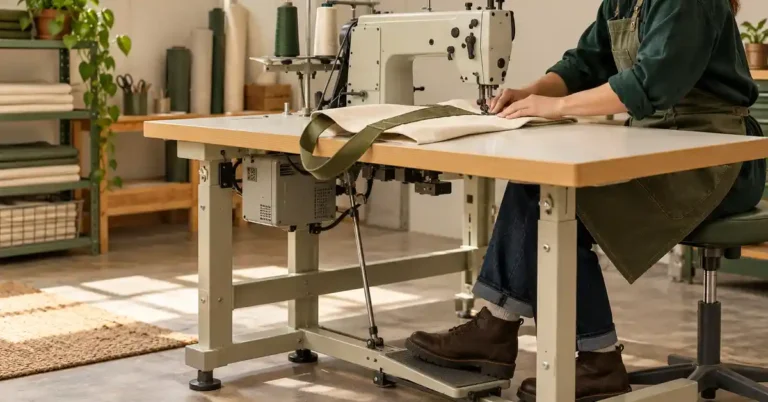
Sewing machines have come a long way from the basic mechanical models that dominated the market in the past. Today, many machines come equipped with advanced technology, including screens that serve as user interfaces for enhanced functionality. A sewing machine with a screen can make the sewing and embroidery process more intuitive and efficient, allowing both beginners and advanced users to create intricate designs with ease.
What is a Sewing Machine with Screen?
A sewing machine with a screen is an advanced model equipped with an integrated display that offers various functionalities. These screens can be LCD or touchscreen interfaces that allow users to navigate through different settings, view designs, and access tutorials. Some machines even allow for customization of designs, enabling users to create unique patterns and projects.
Benefits of Using a Sewing Machine with Screen
Investing in a sewing machine with a screen comes with numerous advantages. Here are some key benefits:
1. Enhanced User Experience
The intuitive interface of a screen-equipped sewing machine simplifies the sewing process. Users can easily select stitches, adjust settings, and navigate through different functions without flipping through a manual.
2. Design Customization
Many sewing machines with screens allow users to create and modify embroidery designs. This feature is particularly useful for those looking to personalize their projects.
3. Error Prevention
The display can help in preventing errors by providing alerts and notifications for issues such as thread tension problems, thread breaks, or incorrect settings.
4. Built-in Tutorials
Some machines come with built-in tutorials, making it easier for users to learn new techniques and functions directly through the screen.
Features to Look For
When considering a sewing machine with a screen, it’s important to look for specific features that can enhance your sewing experience:
| Feature | Description |
|---|---|
| Touchscreen Interface | A responsive touch interface allows for easy navigation and selection. |
| Design Preview | View your design on the screen before you start sewing to ensure accuracy. |
| Built-in Stitches | Access a wide variety of stitches and embroidery options directly from the screen. |
| USB Connectivity | Transfer designs from your computer to the machine easily. |
| Customizable Settings | Adjust stitch length, width, and tension to suit your needs. |
Popular Models of Sewing Machines with Screens
There are several notable sewing machines on the market that feature screens and offer unique benefits:
1. Brother Persona PRS100 Single Needle Embroidery Machine
This versatile machine is designed for both sewing and embroidery. It features a large color touchscreen, making it easy to navigate through options and designs. You can read more in our review of the Brother Persona PRS100.
2. EMT16X Embroidery Machine
The EMT16X is a robust machine designed for high-volume embroidery needs. Its screen provides access to various built-in designs and allows for customization. Check out our review of the EMT16X for more details.
3. Pfaff Creative Icon Embroidery Machine
This advanced machine combines sewing and embroidery with high-tech features, including a large touchscreen that enhances usability. Learn more about its capabilities in our review of the Pfaff Creative Icon.
How to Use a Sewing Machine with Screen
Using a sewing machine with a screen may seem daunting at first, but with some practice, you can master it. Here’s a step-by-step guide:
1. Familiarize Yourself with the Screen
Spend time getting to know the buttons and functions available on the screen. Check the user manual for specific features and settings.
2. Select Your Stitch or Design
Use the touchscreen to navigate through the available stitches or embroidery designs. Select one that suits your project.
3. Adjust Settings
Before you begin sewing, adjust the stitch length, width, and tension according to your fabric type and project requirements.
4. Load Your Fabric
Place your fabric under the presser foot and lower it into position. Make sure your fabric is straight and secure.
5. Start Sewing
Press the start button on the screen and guide your fabric through the machine, following the on-screen instructions if available.
Maintenance Tips for Your Sewing Machine
To keep your sewing machine with a screen functioning optimally, regular maintenance is essential:
1. Clean the Machine Regularly
Dust and lint can accumulate in the machine’s components. Use a soft brush to clean the area around the feed dogs and the bobbin case.
2. Oil the Machine
Consult the user manual to find out how often your machine needs oiling. Proper lubrication can extend the life of your machine.
3. Store Properly
When not in use, cover your machine to protect it from dust and potential damage. Store it in a dry place to avoid moisture-related issues.
4. Check for Software Updates
If your machine allows for software updates, keep it updated to ensure you have the latest features and fixes.
FAQ
A: Yes, many sewing machines with screens offer dual functionality, allowing you to switch between sewing and embroidery easily.
A: Generally, sewing machines with screens tend to be more expensive due to their advanced features and technology, but the investment can be worthwhile for the added convenience and functionality.
A: Refer to the user manual for specific troubleshooting tips. Common issues may include screen calibration or software glitches that can often be resolved with a reset or update.
In conclusion, a sewing machine with a screen can greatly enhance your sewing and embroidery experience. With user-friendly features, customization options, and built-in tutorials, these machines cater to both beginners and experts alike. Whether you are looking to create unique designs or simply wish to make sewing easier, investing in a quality sewing machine with a screen is a step worth considering. For more insights into sewing and embroidery, check out our resources on the best embroidery machine software and the Top 5 Must-Visit Embroidery Spots in San Diego! to inspire your next project.