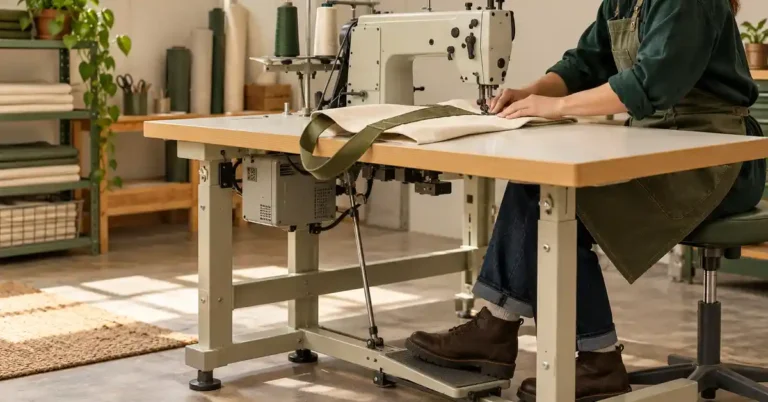
Sewing machines have evolved significantly over the years, becoming essential tools for both hobbyists and professionals alike. Among the various features that enhance sewing precision and ease, the stitch regulator stands out as a game changer. This feature is especially crucial for those who engage in free-motion quilting or embroidery, as it allows for consistent stitch length and quality. In this article, we will explore the advantages of a sewing machine with a stitch regulator, how it works, and what to consider when choosing the right machine for your needs.
What is a Stitch Regulator?
A stitch regulator is a specialized feature in sewing machines that automatically adjusts the sewing speed to maintain a consistent stitch length. This is particularly beneficial for free-motion sewing and quilting, where the user dictates the movement of the fabric. The stitch regulator ensures that every stitch is uniform, which is crucial for achieving professional-looking results.
How Does a Stitch Regulator Work?
The stitch regulator functions through a combination of sensors and mechanisms that monitor the movement of the fabric and the speed of the sewing machine. When the user moves the fabric, the stitch regulator detects this motion and adjusts the machine’s speed accordingly. This results in a consistent stitch length, regardless of how fast or slow the user moves the fabric.
Benefits of Using a Sewing Machine with a Stitch Regulator
Investing in a sewing machine with a stitch regulator comes with numerous benefits:
1. Consistent Stitch Quality
The primary advantage of a stitch regulator is the ability to achieve uniform stitch lengths, which is crucial for projects such as quilting and detailed embroidery. This consistency enhances the overall appearance and durability of your work.
2. Reduced Frustration
For many sewists, achieving the perfect stitch can be a source of frustration, especially during free-motion sewing. A stitch regulator alleviates this concern by automating stitch length adjustments, allowing you to focus more on your creativity.
3. Enhanced Creative Freedom
With a stitch regulator, you can experiment with various sewing techniques without worrying about stitch length. This feature opens up a world of creative possibilities, encouraging you to explore free-motion quilting designs and intricate embroidery patterns.
4. Improved Accuracy
Accuracy is crucial in sewing, especially when working on intricate designs. The stitch regulator helps ensure that each stitch is placed accurately, reducing the chances of errors and the need for extensive corrections.
Choosing the Right Sewing Machine with a Stitch Regulator
When selecting a sewing machine with a stitch regulator, consider the following factors:
1. Type of Projects
Consider the type of sewing or embroidery projects you plan to undertake. If you primarily work on quilting projects, look for machines with specialized quilting features, including the stitch regulator.
2. Budget
Sewing machines vary widely in price, and those with stitch regulators tend to be on the higher end of the spectrum. Set a budget that aligns with your sewing goals while considering the machine’s features and quality.
3. Additional Features
Beyond the stitch regulator, evaluate other features such as stitch variety, ease of use, and included accessories. Machines with advanced features like automatic threading, built-in stitches, and large sewing areas may enhance your sewing experience.
4. Brand Reputation
Research different brands and read reviews to find a reputable manufacturer. Brands known for their quality and reliability often provide better customer support and warranties, which can be beneficial in the long run.
Popular Models with Stitch Regulators
Here are some popular sewing machines that come equipped with stitch regulators:
| Model | Type | Features | Price Range |
|---|---|---|---|
| Bernina 770 QE | Quilting | Large throat space, multiple stitch options | $3,500 – $4,000 |
| Brother PQ1500SL | Quilting | High-speed sewing, adjustable stitch length | $800 – $1,200 |
| Janome Horizon Memory Craft 9450 QCP | Quilting | Wide range of stitches, easy to use | $2,500 – $3,000 |
| PFAFF Creative 4.5 | Embroidery | Integrated stitch regulator, large embroidery area | $5,000 – $6,000 |
Each of these models offers unique features that cater to different sewing needs, making them excellent choices for those looking for a sewing machine with a stitch regulator.
Maintenance and Care for Your Sewing Machine
To keep your sewing machine in optimal condition, follow these maintenance tips:
1. Regular Cleaning
Dust and lint can accumulate in your sewing machine, affecting its performance. Regularly clean the machine’s exterior and interior, paying special attention to the feed dogs and bobbin area.
2. Oil Your Machine
Consult your machine’s manual for oiling instructions. Regular lubrication helps keep the internal components functioning smoothly and can extend the life of your machine.
3. Use the Right Needles and Threads
Using the appropriate needles and threads for your projects can prevent damage to the machine and ensure high-quality stitching. Always choose high-quality materials for the best results.
4. Schedule Professional Servicing
Consider having your sewing machine serviced by a professional at least once a year. This can help identify any potential issues early and ensure that your machine continues to perform at its best.
FAQs
A: Stitch regulators are commonly found in high-end quilting and embroidery machines, as they are designed for projects that require precision stitching.
A: Yes, while stitch regulators are particularly beneficial for quilting and free-motion embroidery, they can also improve the quality of regular sewing projects by ensuring consistent stitch lengths.
A: A stitch regulator automatically adjusts the sewing speed to maintain consistent stitch length, while a walking foot helps to move multiple layers of fabric evenly through the machine.
A: Yes, sewing machines with stitch regulators tend to be on the higher end of the price spectrum due to their advanced features and technology.
For those who are considering venturing into embroidery or quilting, investing in a machine with a stitch regulator can be a transformative decision. If you are looking for more specialized choices, check out our review of the best embroidery machine for small business or explore the game-changer for flawless machine embroidery with sticky stabilizers. Additionally, you can find helpful resources on our Janome MB4 embroidery machine review and embroidery machine classes for further skills development.
In conclusion, a sewing machine with a stitch regulator is an invaluable tool for achieving high-quality, professional results in your sewing projects. By understanding how this feature works and the benefits it offers, you can make an informed decision when selecting the right machine for your needs. Happy sewing!