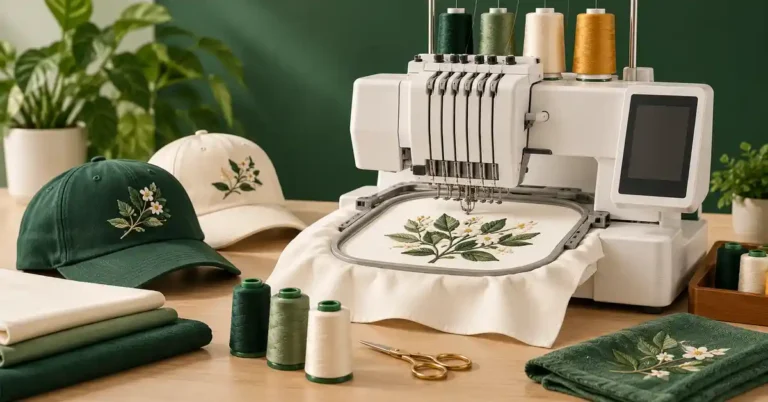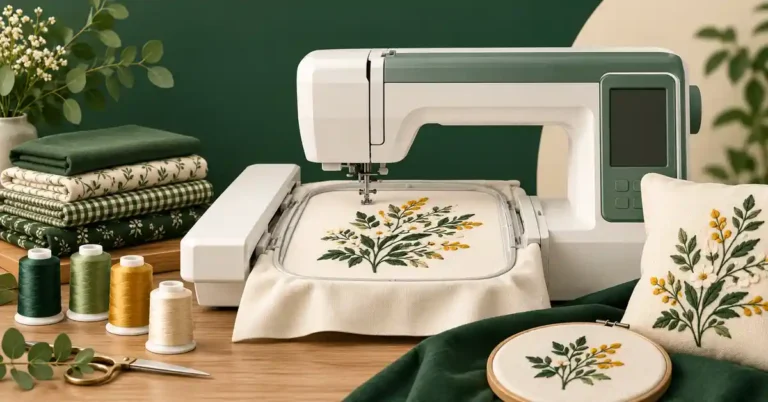
Embroidery machines have revolutionized the world of crafting, allowing hobbyists and professionals alike to create intricate designs with ease and precision. Whether you are looking to personalize garments, create unique home décor, or delve into the world of commercial embroidery, investing in the right embroidery machine is essential. With a myriad of options available, understanding what to look for in an embroidery machine can make all the difference in your crafting experience.
1. Hoop Size
The hoop size of an embroidery machine refers to the maximum area that can be embroidered at one time. This is a critical factor to consider, especially if you plan to work on large designs or bulky items like jackets and quilts.
Common Hoop Sizes
| Hoop Size | Typical Use |
|---|---|
| 4″ x 4″ | Small designs, monograms |
| 5″ x 7″ | Medium designs, small quilts |
| 6″ x 10″ | Larger designs, heavier fabrics |
| 8″ x 12″ | Commercial use, large projects |
2. Built-in Designs and Editing Features
Many embroidery machines come with built-in designs that can save you time and effort. Additionally, editing features allow you to modify these designs to fit your creative vision. Look for machines that provide a variety of designs and easy-to-use editing tools.
Editing Features to Consider
- Resize designs
- Rotate or mirror images
- Combine multiple designs
3. Ease of Use
An embroidery machine should be user-friendly, especially for beginners. Look for features that enhance usability, such as touchscreen controls, intuitive menus, and instructional guides.
Features that Enhance Ease of Use
- Automatic thread tension adjustment
- Built-in tutorials
- USB ports for easy design transfer
4. Thread Compatibility
The type of thread you use can significantly affect the final outcome of your embroidery projects. Ensure that the machine you choose is compatible with a variety of embroidery threads, including specialty threads like metallics and variegated options.
Common Thread Types
| Thread Type | Characteristics |
|---|---|
| Polyester | Durable, colorfast |
| Cotton | Soft, natural look |
| Rayon | Shiny finish, smooth |
| Metallic | Shiny, eye-catching |
5. Stitch Quality
The quality of the stitches produced by an embroidery machine is paramount. Look for machines that offer a variety of stitch types and have a good reputation for producing clean, consistent stitches.
Factors Affecting Stitch Quality
- Needle type and size
- Stabilizers used
- Machine settings
6. Price and Value for Money
Embroidery machines vary widely in price, from budget-friendly options to high-end professional models. Determine your budget and what features are essential for your needs. It can be tempting to go for the cheapest option, but consider the long-term value and functionality of the machine.
Price Ranges for Embroidery Machines
| Price Range | Typical Features |
|---|---|
| $200 – $500 | Basic features, limited designs |
| $500 – $1000 | Intermediate features, larger hoop sizes |
| $1000+ | Advanced features, professional capabilities |
7. Maintenance and Support
Regular maintenance is crucial to keep your embroidery machine running smoothly. Look for brands that offer good customer support and have accessible service centers. Some machines also come with maintenance tips or self-diagnostic features that can help you troubleshoot issues.
Maintenance Tips
- Regularly clean the machine and change needles
- Use the correct stabilizers and threads
- Follow the manufacturer’s maintenance schedule
8. FAQ
A: Look for machines with user-friendly features, built-in tutorials, and a good selection of designs, such as those reviewed in Which Brother Embroidery Machine Is the Best? Our Top Pick!.
A: Not all machines are compatible with every type of thread. Check your machine’s specifications and consider using quality embroidery threads discussed in our Review: embroidery thread for embroidery machine.
A: Regular maintenance is essential. Clean your machine after every few projects and follow the manufacturer’s guidelines for deeper maintenance.
Investing in an embroidery machine can open up a world of creative possibilities, but it’s essential to choose wisely. By considering factors such as hoop size, built-in designs, ease of use, thread compatibility, stitch quality, price, and maintenance, you can find a machine that suits your needs and enhances your crafting journey. For more inspiration, check out our Top Picks: San Francisco 49ers Embroidery Designs and explore stunning embroidery projects like the Stunning Crush Tissue Saree: Embroidery That Wows!. Ready to elevate your crafting game? Consider the Brother V3 Embroidery Machine: A Game-Changer for Crafters! and unlock your full creative potential.
With careful consideration and a bit of research, you’ll be well on your way to finding an embroidery machine that not only meets your needs but also inspires your creativity!